Manage Washington State Landlord Tenant Forms quickly online

Document administration can overpower you when you can’t discover all the documents you need. Fortunately, with DocHub's vast form collection, you can discover all you need and quickly manage it without changing among apps. Get our Washington State Landlord Tenant Forms and start working with them.

How to use our Washington State Landlord Tenant Forms using these easy steps:

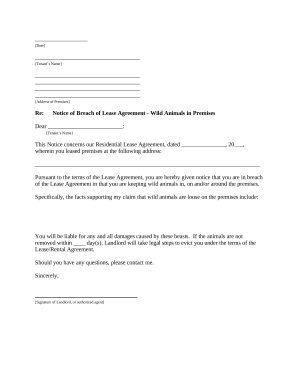
  1. Examine Washington State Landlord Tenant Forms and select the form you need.
  2. Preview the template and click Get Form.
  3. Wait for it to upload in our online editor.
  4. Modify your template: include new information and pictures, and fillable fields or blackout certain parts if required.
  5. Complete your template, conserve alterations, and prepare it for delivering.
  6. When all set, download your form or share it with other contributors.

Try out DocHub and browse our Washington State Landlord Tenant Forms category with ease. Get a free account today!


Video Guide on Washington State Landlord Tenant Forms management

video background

Commonly Asked Questions about Washington State Landlord Tenant Forms

building codes and local ordinances; common areas must be kept clean and safe; facilities and appliances must be in reasonably good working order. Damage caused by weather, acts of God (such as earthquakes and accidents), or damage caused by unknown third parties are generally the responsibility of the landlord.
Do I have to let my landlord enter the unit? Yes. RCW 59.18. 150 also requires that tenants must make the unit available for entry when necessary for inspection or repairs.
3. Washington state eviction laws are changing. Statewide, in 2024 landlords and tenants will be able to request that their eviction hearing is held remotely. The courts will need to grant a request unless there is a reason for needing them to attend in person.
Also known as a rental agreement, a Washington lease agreement is a legal contract between a landlord (lessor) and a tenant (lessee). It outlines the terms and conditions of the tenancy, including rent, duration of the lease, use of the property, and responsibilities of both parties.
12 month rent rises as of 29 July 2024. Rent increases will only be allowed once every 12 months. For periodic rental agreements (with no end date), the minimum 12-month time frame between rent increases will apply from 29 July 2024, regardless of when the agreement was signed.
If a landlord wants to evict a tenant for not paying rent, they must now give their tenant 14 days notice to pay or vacate.
If they decide not to renew the lease, they must provide 60 days notice. This will give you time to start marketing the property and hopefully find a new tenant to move in as soon as they leave.