
Create your Washington Rental Agreement from scratch

Start Building Now
Title decoration

Here's how it works

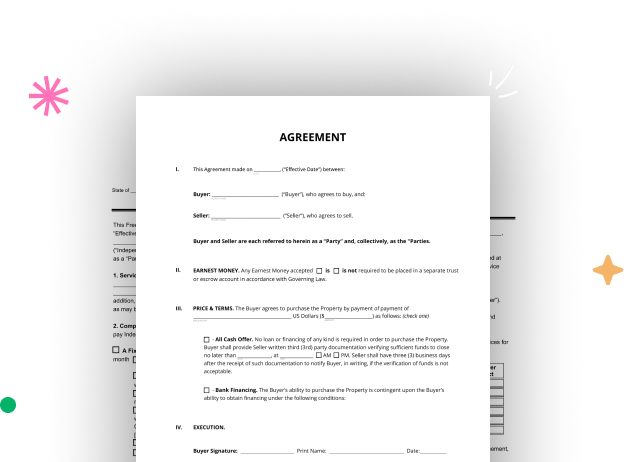
01. Start with a blank Washington Rental Agreement
Open the blank document in the editor, set the document view, and add extra pages if applicable.
02. Add and configure fillable fields
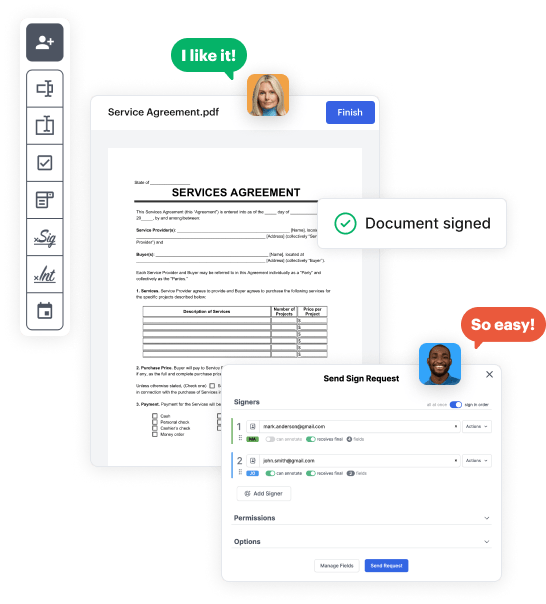
Use the top toolbar to insert fields like text and signature boxes, radio buttons, checkboxes, and more. Assign users to fields.
03. Distribute your form
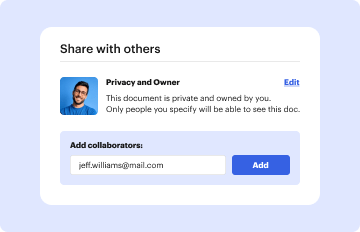
Share your Washington Rental Agreement in seconds via email or a link. You can also download it, export it, or print it out.

Craft Washington Rental Agreement from scratch by following these detailed instructions

Form edit decoration

Step 1: Get started with DocHub.

Begin by registering a free DocHub account using any offered sign-up method. Simply log in if you already have one.

Step 2: Register for a 30-day free trial.

Try out the whole collection of DocHub's advanced features by registering for a free 30-day trial of the Pro plan and proceed to craft your Washington Rental Agreement.

Step 3: Build a new blank doc.

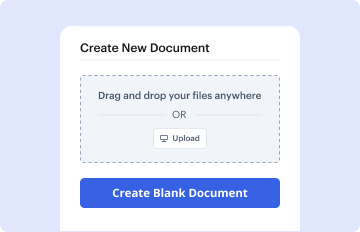
In your dashboard, click the New Document button > scroll down and choose to Create Blank Document. You’ll be taken to the editor.

Step 4: Arrange the view of the document.

Use the Page Controls icon marked by the arrow to toggle between different page views and layouts for more flexibility.

Step 5: Start inserting fields to create the dynamic Washington Rental Agreement.

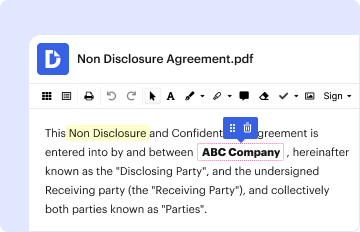
Navigate through the top toolbar to place document fields. Add and configure text boxes, the signature block (if applicable), insert images, etc.

Step 6: Prepare and configure the incorporated fields.

Organize the fillable areas you incorporated per your chosen layout. Personalize the size, font, and alignment to ensure the form is easy to use and professional.

Step 7: Finalize and share your form.

Save the ready-to-go copy in DocHub or in platforms like Google Drive or Dropbox, or craft a new Washington Rental Agreement. Send out your form via email or use a public link to engage with more people.


be ready to get more

Build your Washington Rental Agreement in minutes

Start creating now

Got questions?

We have answers to the most popular questions from our customers. If you can't find an answer to your question, please contact us.
Contact us
Is a 2-year Lease legal in Washington State? Yes, a two-year Lease is legal; however, for the Lease term to be valid, the Lease must be docHubd. If a Lease exceeds two years, it must be recorded in the office of the county recorder where the property is located.
Per RCW 59.04. 010, if the lease is longer than one year, the execution of the lease must be acknowledged (i.e. docHubd). If a lease is longer than one year and it is not acknowledged, then it may be interpreted to be only a month to month lease, not a one-year lease.
A Washington standard residential lease agreement is a legal document that landlords and tenants use for the renting of property. The agreement provides all of the written information needed to secure an agreement that will be beneficial and protective of both parties.
Changing the tenancy agreement A tenancy agreement can normally only be changed if both you and your landlord agree. If you both agree, the change should be recorded in writing, either by drawing up a new written document setting out the terms of the tenancy or by amending the existing written tenancy agreement.
Explanation: A gross lease is a type of lease agreement where the landlord pays all the property expenses, including the property taxes, insurance, maintenance, and repairs. This type of lease is most often used with residential property (Option A).
be ready to get more

Build your Washington Rental Agreement in minutes

Start creating now

Related Q&A to Washington Rental Agreement

A fixed-term lease is the most traditional lease. Theyre called fixed term because tenants and landlords are agreeing to abide by the lease for a fixed amount of time, normally six to 14 months.
Steps to Add a Tenant to an Existing Lease Acquire a Written Request to Add a Tenant. Check the Units Occupancy Limit. Require a Completed Rental Application. Screen and Approve/Deny the New Tenant. Review the Details With Each Tenant.

Additional resources on building your forms


