
Create your Minnesota Construction Contract from scratch

Start Building Now
Title decoration

Here's how it works

01. Start with a blank Minnesota Construction Contract
Open the blank document in the editor, set the document view, and add extra pages if applicable.
02. Add and configure fillable fields
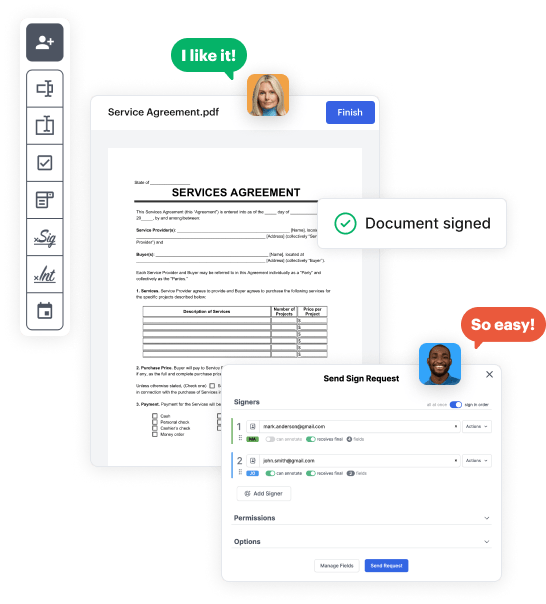
Use the top toolbar to insert fields like text and signature boxes, radio buttons, checkboxes, and more. Assign users to fields.
03. Distribute your form
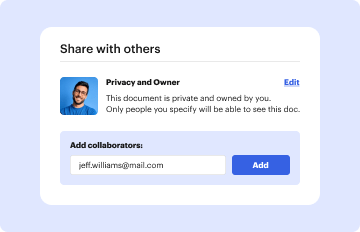
Share your Minnesota Construction Contract in seconds via email or a link. You can also download it, export it, or print it out.

Create Minnesota Construction Contract from the ground up by following these detailed instructions

Form edit decoration

Step 1: Get started with DocHub.

Begin by creating a free DocHub account using any available sign-up method. Simply log in if you already have one.

Step 2: Sign up for a free 30-day trial.

Try out the complete suite of DocHub's pro features by registering for a free 30-day trial of the Pro plan and proceed to craft your Minnesota Construction Contract.

Step 3: Build a new blank form.

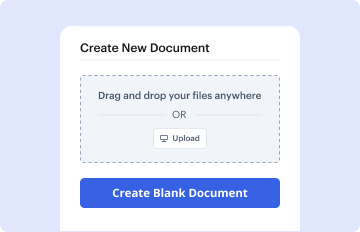
In your dashboard, hit the New Document button > scroll down and hit Create Blank Document. You will be redirected to the editor.

Step 4: Organize the document’s layout.

Use the Page Controls icon indicated by the arrow to switch between two page views and layouts for more flexibility.

Step 5: Begin by adding fields to design the dynamic Minnesota Construction Contract.

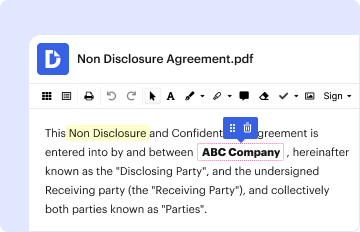
Navigate through the top toolbar to place document fields. Insert and arrange text boxes, the signature block (if applicable), embed images, etc.

Step 6: Prepare and configure the incorporated fields.

Organize the fillable areas you incorporated based on your chosen layout. Personalize the size, font, and alignment to make sure the form is user-friendly and professional.

Step 7: Finalize and share your template.

Save the completed copy in DocHub or in platforms like Google Drive or Dropbox, or design a new Minnesota Construction Contract. Share your form via email or get a public link to reach more people.


be ready to get more

Build your Minnesota Construction Contract in minutes

Start creating now

Got questions?

We have answers to the most popular questions from our customers. If you can't find an answer to your question, please contact us.
Contact us
Elements of a construction contract Name of contractor and contact information. Name of homeowner and contact information. Describe property in legal terms. List attachments to the contract. The cost. Failure of homeowner to obtain financing. Description of the work and the completion date. Right to stop the project.
How to write a contract agreement in 7 steps. Determine the type of contract required. Confirm the necessary parties. Choose someone to draft the contract. Write the contract with the proper formatting. Review the written contract with a lawyer. Send the contract agreement for review or revisions.
To get started, you have to register your business with the state and decide who will serve as the qualifying person (QP) for your business. The qualifying person must pass the Minnesota general contractor test before applying. They must also meet the continuing education requirements to keep the license active.
A contract should contain everything agreed upon by you and your licensed contractor. It should detail the work, price, when payments will be made, who gets the necessary building permits, and when the job will be finished. The contract also must identify the contractor, and give their address and license number.
To that end, before you sign anything and start working, make sure your contract has these 5 key elements. A Detailed Scope of Work. Project Cost and Payment Schedule. Construction Timeline. Change Order Process. Project Issues and Dispute Resolution.
be ready to get more

Build your Minnesota Construction Contract in minutes

Start creating now

Related Q&A to Minnesota Construction Contract

What Should Be in a Construction Contract? Identifying/Contact Information. Title and Description of the Project. Projected Timeline and Completion Date. Cost Estimate and Payment Schedule. Stop-Work Clause and Stop-Payment Clause. Act of God Clause. Change Order Agreement. Warranty.
The most common methods are: Construction Management at Risk: Separate suppliers manage the build and design, with a construction manager being hired by the builder to assist in the design phase. Integrated Project Delivery: The project is split between the owner, the construction manager, and the engineer or architect.

Additional resources on building your forms


