Handle Warranty Deed Paperwork effortlessly online

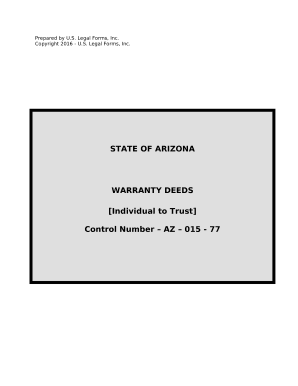
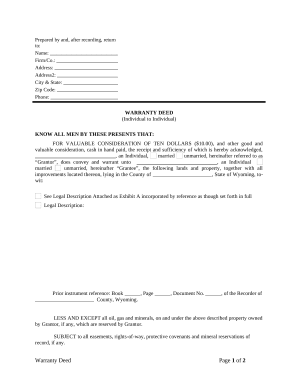
Document management can overpower you when you can’t discover all of the forms you require. Luckily, with DocHub's extensive form library, you can find everything you need and promptly manage it without switching among applications. Get our Warranty Deed Paperwork and begin utilizing them.

The best way to manage our Warranty Deed Paperwork using these simple steps:

  1. Browse Warranty Deed Paperwork and select the form you require.
  2. Review the template and then click Get Form.
  3. Wait for it to open in our online editor.
  4. Modify your document: add new information and images, and fillable fields or blackout some parts if needed.
  5. Complete your document, preserve changes, and prepare it for delivering.
  6. When all set, download your form or share it with other contributors.

Try out DocHub and browse our Warranty Deed Paperwork category without trouble. Get a free profile right now!


Video Guide on Warranty Deed Paperwork management

video background

Commonly Asked Questions about Warranty Deed Paperwork

Warranty deeds protect the buyer by guaranteeing a clear title and give the current owner the legal right to sell the house. For sellers, warranty deeds can delay the home selling process and come at an extra cost.
A general warranty deed is the most common type of deed used for transferring real estate. It basically promises that: not only does the seller have good and proper title to sell the property, but all the prior owners also had good title, thus making a complete chain of ownership; and.
A traditional deed simply transfers the ownership of a property from one party to another (in other words, the seller to the buyer.) Whoever legally holds the deed is the rightful owner of the property. A warranty deed, on the other hand, contains special assurances that the seller makes to the buyer.
No, a warranty deed does not prove ownership. A title search is the best way to prove that a grantor rightfully owns a property. The warranty deed is a legal document that offers the buyer protection. In other words, the property title and warranty deed work in tandem together.
A warranty deed or quit claim deed TRANSFERS TITLE or OWNERSHIP of real property. When you purchase property, you usually receive a warranty deed from the seller to you to show that you now own the property.
As with any conveyance of realty, a warranty deed requires a complete legal description of the parcel. Recite the prior deed reference to maintain a clear chain of title, and detail any restrictions associated with the property. Finally, it must meet all state and local standards for recorded documents.
Key Takeaways. A warranty deed protects the buyer and ensures that the seller holds a free and clear title to a property without any outstanding liens or mortgages. A warranty deed is a legal real estate document and protects the buyer against future claims to the title of the property.
A general warranty deed is a legal agreement that protects a property buyer from any debts held against the property theyre purchasing. If such a debt emerges after the sale, the seller, not the buyer, is financially responsible for that debt.