

Transform your file management with Utah Family Law Forms

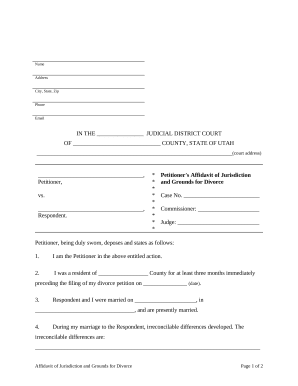
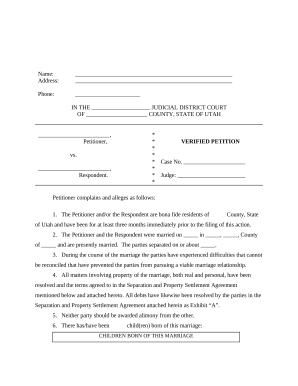
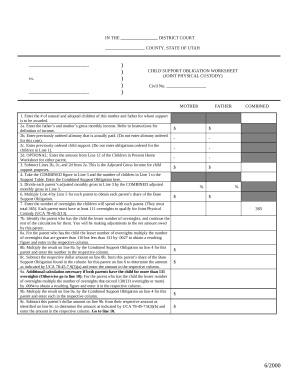
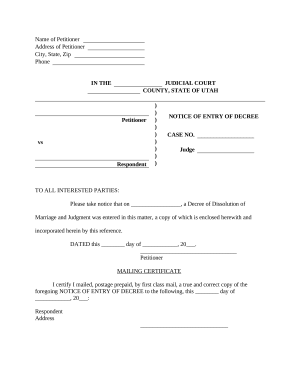
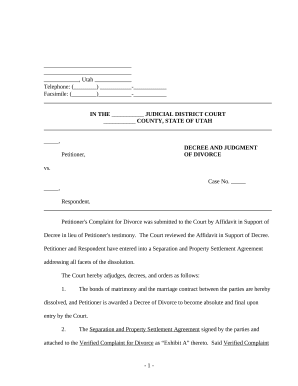
Your workflows always benefit when you can easily obtain all the forms and files you require at your fingertips. DocHub offers a wide array of document templates to ease your day-to-day pains. Get hold of Utah Family Law Forms category and easily discover your form.

Begin working with Utah Family Law Forms in several clicks:

  1. Gain access to Utah Family Law Forms and get the document you need.
  2. Click on Get Form to open it in our online editor.
  3. Start editing your document: add fillable fields, highlight paragraphs, or blackout sensitive info.
  4. The app saves your modifications automatically, and after you are ready, you are able to download or share your file with other contributors.

Enjoy easy form managing with DocHub. Discover our Utah Family Law Forms category and locate your form today!

Video Guide on Utah Family Law Forms management

video background

Commonly Asked Questions about Utah Family Law Forms

(a) criminal and delinquency cases must be proved beyond a reasonable doubt; (b) neglect, abuse and dependency cases and cases involving the permanent deprivation of parental rights must be proved by clear and convincing evidence unless otherwise provided by law; (c) matters regarding child custody, support, and
A partys approval as to form of a proposed order certifies that the proposed order accurately reflects the courts decision. Approval as to form does not waive objections to the substance of the order.
In most cases, if the defendant is served in Utah, they must file their answer within 21 calendar days after the date of service. If the defendant is served outside Utah, they must file an answer within 30 calendar days after service.
If you disagree with the motion you can file a Memorandum Opposing Motion. You have 14 days to file and serve your opposition.
The court shall grant summary judgment if the moving party shows that there is no genuine dispute as to any material fact and the moving party is entitled to judgment as a matter of law. The court should state on the record the reasons for granting or denying the motion.

