Transform your template operations with US Real Estate Legal Documents

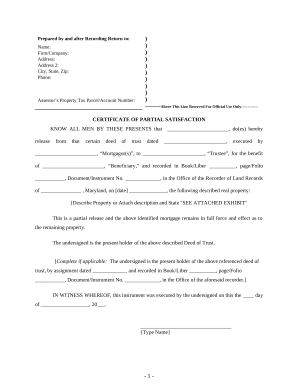
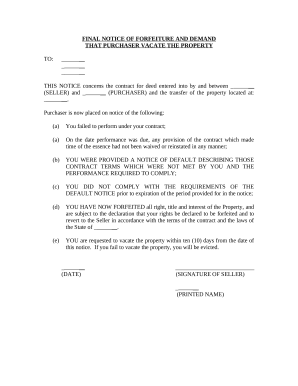
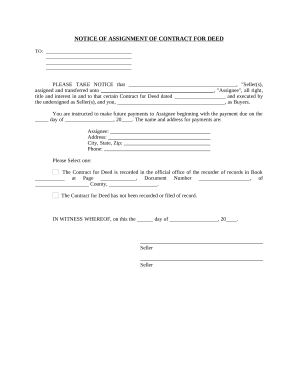
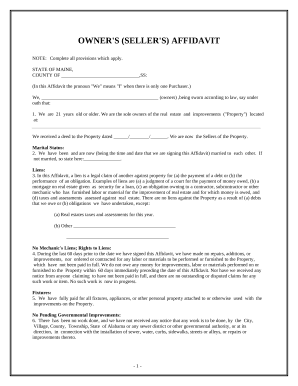
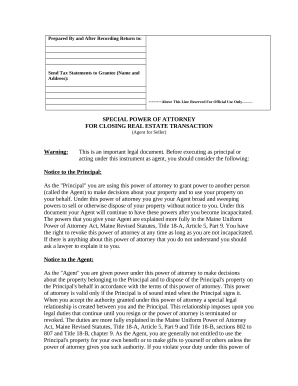
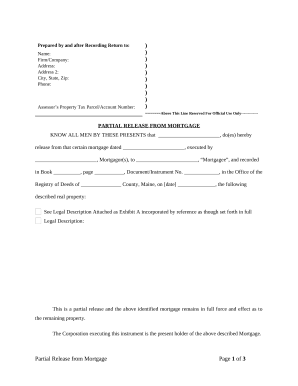
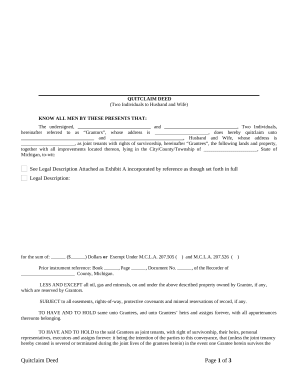
Your workflows always benefit when you are able to find all of the forms and files you need on hand. DocHub provides a a large collection form templates to alleviate your everyday pains. Get hold of US Real Estate Legal Documents category and quickly browse for your form.

Begin working with US Real Estate Legal Documents in a few clicks:

  1. Gain access to US Real Estate Legal Documents and locate the form you require.
  2. Click on Get Form to open it in the editor.
  3. Start modifying your file: add fillable fields, highlight paragraphs, or blackout sensitive information.
  4. The application saves your changes automatically, and after you are ready, you are able to download or distribute your file with other contributors.

Enjoy fast and easy record managing with DocHub. Explore our US Real Estate Legal Documents category and look for your form today!


Video Guide on US Real Estate Legal Documents management

video background

Commonly Asked Questions about US Real Estate Legal Documents

In short, a legal document by definition is one that outlines an agreement between two or more parties that has been signed by mutual assent and in all other respects can be relied upon in court. However, there are many other forms of documents that people will refer to as legal.
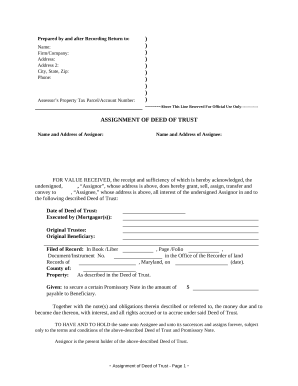
A real estate sale involving financing typically contains at least three main documents; the loan agreement, a promissory note, and a mortgage instrument or deed of trust.
Legal documents, such as contracts and agreements, are mutual promises between two or more parties. They can be seen everywhere from business deals and employee contracts to residential leases and settlement agreements.
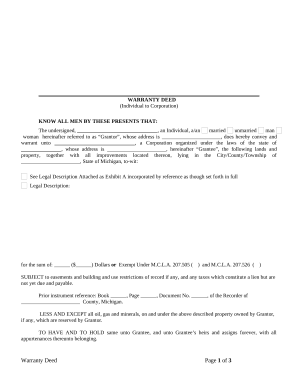
To officially prove ownership of a property, you will require Official Copies of the register and title plan; these are what people commonly refer to as title deeds because they are the irrefutable proof of ownership of a property.
Some examples include individual contract clauses, licensing agreements, complaints, and interrogatories. Sample documents can be found in a number of places including law firm collections or knowledge management systems, and paid databases such as Lexis and Westlaw.
Although a document must be signed by each party to be considered legally binding, the mere presence of signatures does not guarantee that an agreement is enforceable in court. To be considered a legally binding contract or document, three critical elements must also be present: Subject, Consideration, and Capacity.
Examples of these documents include birth certificates, contracts, deeds, leases, titles, wills, etc. During a trial or in preparation of a trial, documents such as a complaint or a summons can also be referred to as legal papers.
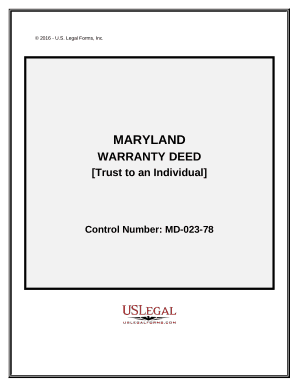
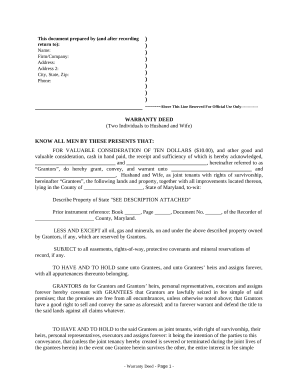
The deed includes the name of the buyer and seller and a detailed description of the property. Most importantly, the deed must contain proper legal language that conveys the transfer of property.