
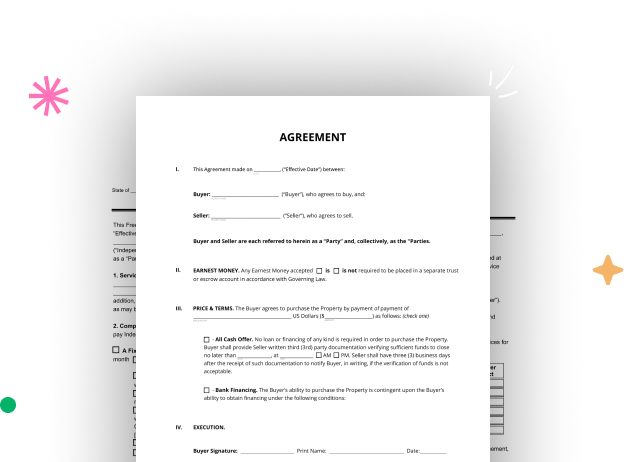



Create your US Real Estate Legal Deed from scratch

Start Building Now
Title decoration

Here's how it works

01. Start with a blank US Real Estate Legal Deed
Open the blank document in the editor, set the document view, and add extra pages if applicable.
02. Add and configure fillable fields
Use the top toolbar to insert fields like text and signature boxes, radio buttons, checkboxes, and more. Assign users to fields.
03. Distribute your form
Share your US Real Estate Legal Deed in seconds via email or a link. You can also download it, export it, or print it out.

Build US Real Estate Legal Deed from scratch by following these detailed guidelines

Form edit decoration

Step 1: Open DocHub and get going.

Start by setting up a free DocHub account using any offered sign-up method. Simply log in if you already have one.

Step 2: Sign up for a 30-day free trial.

Try out the whole suite of DocHub's pro tools by signing up for a free 30-day trial of the Pro plan and proceed to build your US Real Estate Legal Deed.

Step 3: Build a new blank form.

In your dashboard, select the New Document button > scroll down and choose to Create Blank Document. You’ll be redirected to the editor.

Step 4: Organize the document’s layout.

Utilize the Page Controls icon indicated by the arrow to toggle between two page views and layouts for more convenience.

Step 5: Begin by inserting fields to design the dynamic US Real Estate Legal Deed.

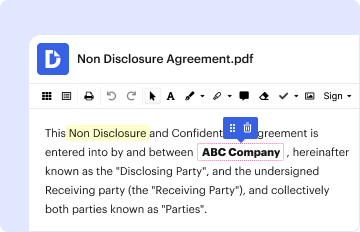
Use the top toolbar to place document fields. Add and arrange text boxes, the signature block (if applicable), add photos, and other elements.

Step 6: Prepare and customize the incorporated fields.

Arrange the fields you incorporated based on your chosen layout. Customize each field's size, font, and alignment to make sure the form is straightforward and polished.

Step 7: Finalize and share your document.

Save the ready-to-go copy in DocHub or in platforms like Google Drive or Dropbox, or create a new US Real Estate Legal Deed. Send out your form via email or use a public link to engage with more people.


be ready to get more

Build your US Real Estate Legal Deed in minutes

Start creating now

Got questions?

We have answers to the most popular questions from our customers. If you can't find an answer to your question, please contact us.
Contact us
Your signed and docHubd Warranty Deed needs to be filed in the property records in the county clerks office of the county in which the property is located. The county clerk will charge a recording fee of about $30 to $40, depending on the county. The fee should be paid by a cashiers check or money order.
You can mail the deed or take it to the county clerks office in person. Only original documents may be recorded. There is a recording fee of approximately $15 to $40 depending on the county.
When committing to a general warranty deed, the seller is promising there are no liens against the property, and if there were, the seller would compensate the buyer for those claims. Mainly for this reason, general warranty deeds are the most commonly used type of deed in real estate sales.
All deeds and legal documents are prepared by a Texas licensed attorney.
Transfers of real property must be in writing and docHubd. Deeds should be recorded in the county where the property is located. To ensure a legal change to the property title, youll want the services of an attorney. A qualified attorney will prepare and file the real estate transfer deed.
be ready to get more

Build your US Real Estate Legal Deed in minutes

Start creating now

Related Q&A to US Real Estate Legal Deed

To add, remove, or change a name on a deed, have a lawyer, title company, or other real estate professional prepare the deed. Then, record the new deed with the Department of Records. Note: We recommend that you do not prepare a deed on your own. We also recommend that you get title insurance.
These deeds need to be in writing and signed by the person giving the property in front of any notary. Once it has been properly prepared and signed, the deed needs to be filed with the county clerk for the county in which the property is located. The county will charge a filing fee of about $30 to $40.
A deed is void at its inception if it attempts to transfer property to an inadequately designed grantee. Delivery and acceptance of the deed is presumed if it has been recorded. Both the grantor and the grantee sign the deed. It is not necessary for the grantor to physically deliver the deed to the grantee.

Additional resources on building your forms


