
Create your US Legal Notice Letter from scratch

Start Building Now
Title decoration

Here's how it works

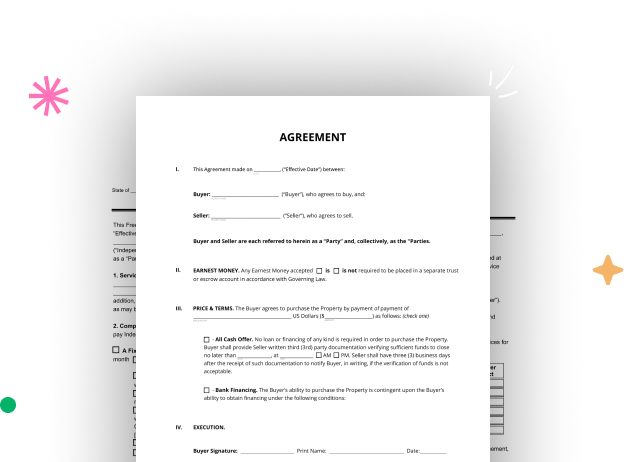
01. Start with a blank US Legal Notice Letter
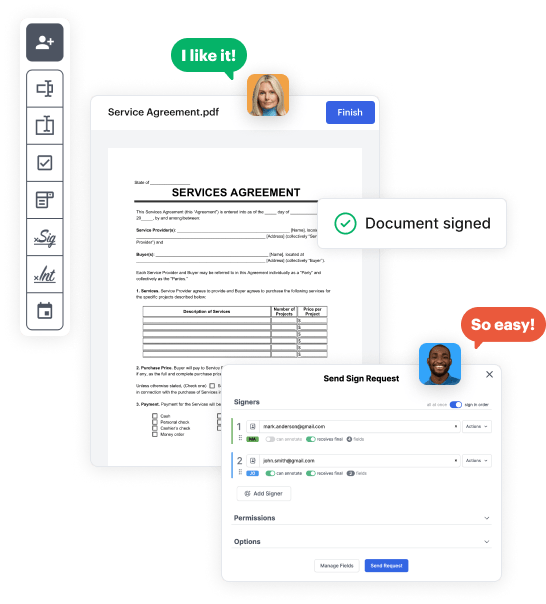
Open the blank document in the editor, set the document view, and add extra pages if applicable.
02. Add and configure fillable fields
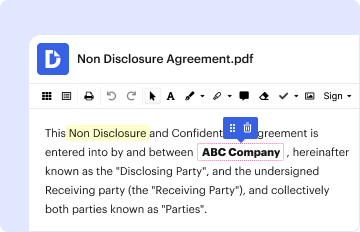
Use the top toolbar to insert fields like text and signature boxes, radio buttons, checkboxes, and more. Assign users to fields.
03. Distribute your form
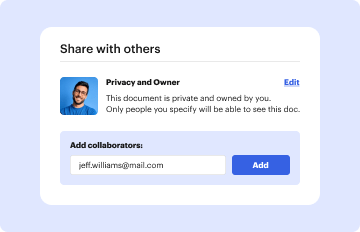
Share your US Legal Notice Letter in seconds via email or a link. You can also download it, export it, or print it out.

A simple tutorial on how to set up a professional-looking US Legal Notice Letter

Form edit decoration

Step 1: Log in to DocHub to create your US Legal Notice Letter.

First, log in to your DocHub account. If you don't have one, you can easily register for free.

Step 2: Navigate to the dashboard.

Once signed in, navigate to your dashboard. This is your primary hub for all document-based tasks.

Step 3: Kick off new document creation.

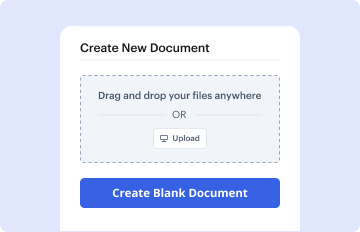
In your dashboard, choose New Document in the upper left corner. Choose Create Blank Document to craft the US Legal Notice Letter from scratch.

Step 4: Insert form fillable areas.

Place different fields like text boxes, photos, signature fields, and other options to your form and designate these fields to particular users as needed.

Step 5: Customize your document.

Personalize your form by adding directions or any other essential tips leveraging the text option.

Step 6: Double-check and tweak the form.

Meticulously check your created US Legal Notice Letter for any typos or essential adjustments. Utilize DocHub's editing features to perfect your document.

Step 7: Distribute or export the document.

After finalizing, save your copy. You can select to retain it within DocHub, export it to various storage platforms, or forward it via a link or email.


be ready to get more

Build your US Legal Notice Letter in minutes

Start creating now

Got questions?

We have answers to the most popular questions from our customers. If you can't find an answer to your question, please contact us.
Contact us
Frequently Asked Questions (FAQ) Type your letter. Concisely review the main facts. Be polite. Write with your goal in mind. Ask for exactly what you want. Set a deadline. End the letter by stating you will promptly pursue legal remedies if the other party does not meet your demand. Make and keep copies.
In the first example, the tenant must give written notice to the landlord before moving out. In the second example, anyone who wants to buy a property is considered to have notice of a judgment lien on that property. In the third example, a notice of sale is posted in a public place to inform people about the sale.
Tips for writing a formal notice The date and place of the formal notice; The name and contact information of the recipient; The mention by bailiff or by registered mail; The words without prejudice in order to protect you; The expression formal notice or I put you on notice; A summary of the facts;
At its core, a notice letter is a formal and official document that serves as a declaration of your intention to resign from your current position. Think of it as a professional courtesy, a way to ensure a smooth transition for both you and your employer by giving them a heads-up on your departure.
While its technically possible to write a demand letter yourself, there are docHub advantages to seeking the guidance of a legal professional. Heres why. Professional expertise. An attorney specialized in personal injury law understands the nuances of relevant statutes, case law, and procedural requirements.
be ready to get more

Build your US Legal Notice Letter in minutes

Start creating now

Related Q&A to US Legal Notice Letter

Drafting Legal Letters Start with a clear opening statement, outlining the letters purpose. Organize the body into logical sections, using headings and bullet points for ease of reading. Conclude with a succinct summary and a call to action.
To ensure that the document has the desired impact of communicating what actions are being taken against another party, the following best practices need to be followed: Letterhead. Include Date. Address the Defendant. Attribute the Notice. Layout the Grievance. Action to be Taken. Signature. Final Practice.

Additional resources on building your forms


