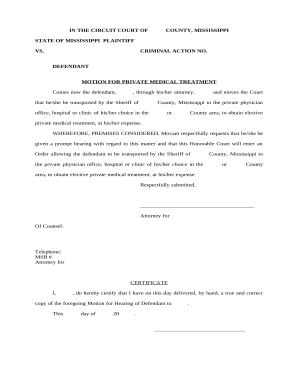
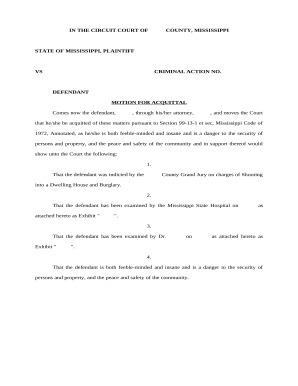
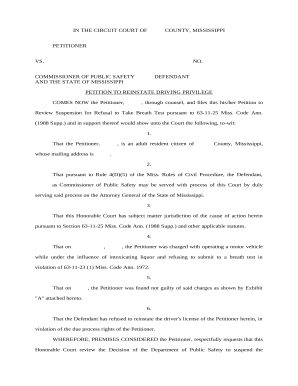
Get and manage US Criminal Law online

Boost your file management using our US Criminal Law library with ready-made form templates that suit your needs. Access the document template, alter it, complete it, and share it with your contributors without breaking a sweat. Begin working more effectively with your forms.

The best way to manage our US Criminal Law:

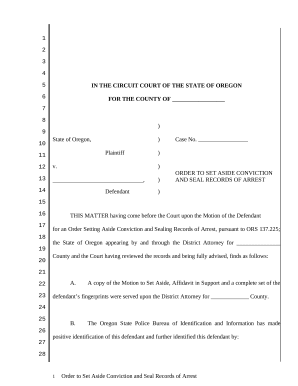
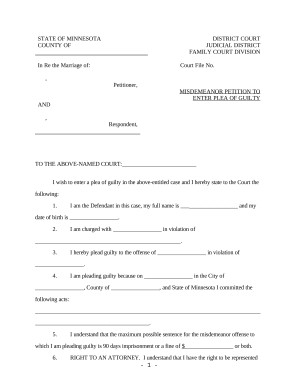
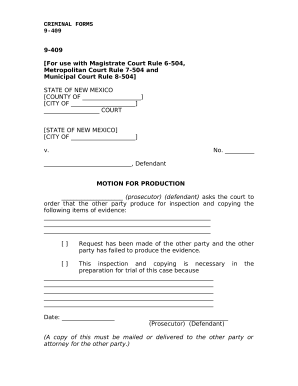
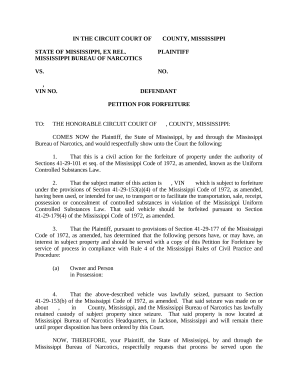
  1. Open our US Criminal Law and find the form you require.
  2. Preview your form to ensure it’s what you want, and click Get Form to begin working on it.
  3. Modify, add new text, or point out important information with DocHub features.
  4. Complete your form and preserve the modifications.
  5. Download or share your document with other recipients.

Explore all the opportunities for your online document administration using our US Criminal Law. Get your totally free DocHub account today!


Video Guide on US Criminal Law management

video background

Commonly Asked Questions about US Criminal Law

Title 18 of the United States Code is the main criminal code of the federal government of the United States. The Title deals with federal crimes and criminal procedure. Title 18 of the United States Code - Wikipedia Wikipedia wiki Title18oftheUnite Wikipedia wiki Title18oftheUnite
Criminal laws may share many characteristics across the fifty states, but key differences exist in the way the laws are written, the behavior they regulate, and the punishments that are dealt out. State Criminal Law - FindLaw FindLaw state criminal-laws FindLaw state criminal-laws
1153. Section 1153 of Title 18 grants jurisdiction to federal courts, exclusive of the states, over Indians who commit any of the listed offenses, regardless of whether the victim is an Indian or non-Indian. 679. The Major Crimes Act18 U.S.C. 1153 - Department of Justice Department of Justice archives criminal-resource-m Department of Justice archives criminal-resource-m
States and the federal government have laws making certain acts illegal, and each jurisdiction is responsible for setting punishments for committing those crimes. A state may punish a certain crime more harshly than the federal government (or vice versa), but a defendant can be charged and convicted under both systems.
In the United States, criminal law deals with offenses against the public peace, safety, morals, and welfare. It consists of guidelines, rules, and procedures that govern crime, prosecution, trial, sentencing, and appeals. There are three primary sources of criminal law in the United States: Constitution.
The United States Code is the codification by subject matter of the general and permanent laws of the United States. It is divided by broad subjects into 53 titles and published by the Office of the Law Revision Counsel of the U.S. House of Representatives. The U.S. Code was first published in 1926. United States Code - GovInfo GovInfo app collection uscode GovInfo app collection uscode
Other federal crimes include mail fraud, aircraft hijacking, carjacking, kidnapping, lynching, bank robbery, child ography, credit card fraud, identity theft, computer crimes, federal hate crimes, animal cruelty, violations of the Federal Racketeer Influenced and Corrupt Organizations Act (RICO), obscenity, tax
Congress codified the federal criminal law and criminal procedure in Title 18 of the U.S. Code with 1 to 2725 dealing with crimes. Title 18 designates various conduct as federal crimes, such as arson, use of chemical weapons, counterfeit and forgery, embezzlement, espionage, genocide, and kidnapping.