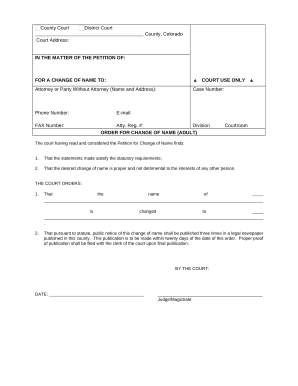
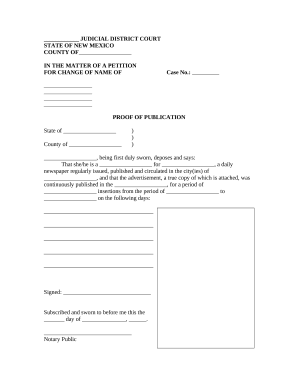
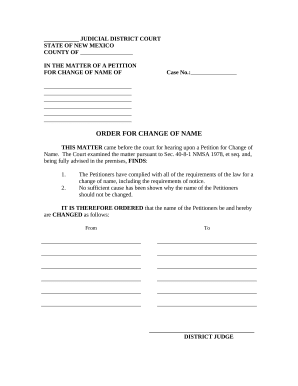
Manage United States family law forms effortlessly online

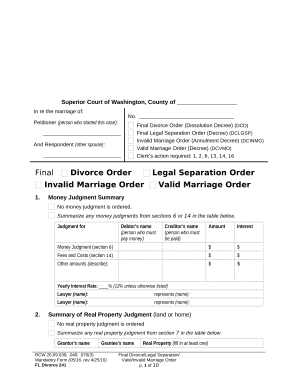
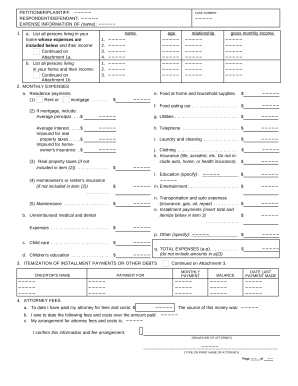
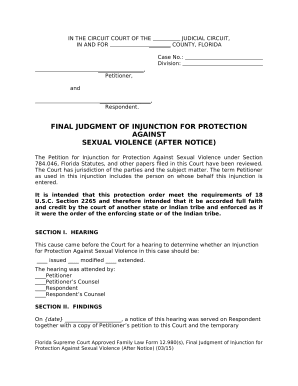
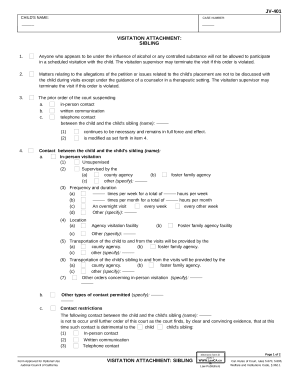
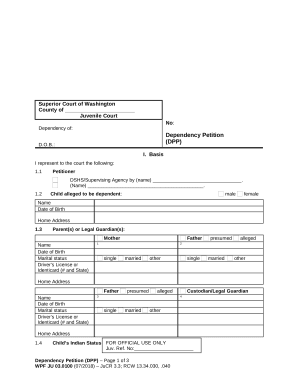
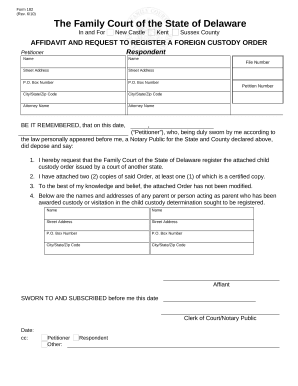
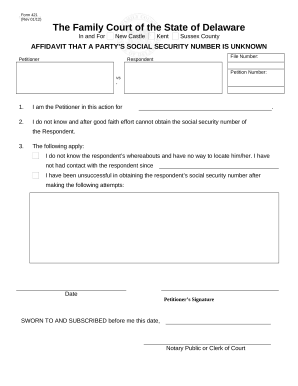
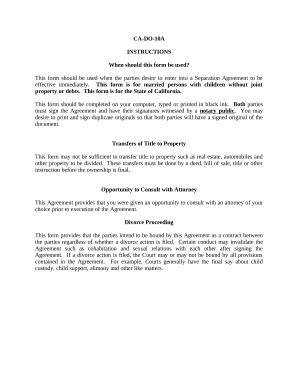
Document administration can overwhelm you when you can’t locate all of the documents you require. Fortunately, with DocHub's substantial form categories, you can find everything you need and quickly manage it without changing among programs. Get our United States family law forms and begin utilizing them.

How to use our United States family law forms using these simple steps:

  1. Examine United States family law forms and choose the form you require.
  2. Review the template and then click Get Form.
  3. Wait for it to upload in the online editor.
  4. Alter your template: include new information and images, and fillable fields or blackout certain parts if needed.
  5. Complete your template, preserve alterations, and prepare it for delivering.
  6. When ready, download your form or share it with your contributors.

Try out DocHub and browse our United States family law forms category easily. Get your free account today!


Video Guide on United States family law forms management

video background

Commonly Asked Questions about United States family law forms

The expanded and improved Child Tax Credit (CTC) that was signed into law as part of the American Rescue Plan Act, was the largest tax cut for working families in generations. The expanded CTC docHubed more than 61 million children and lifted nearly 4 million out of poverty in 2021 alone.
US Family law is a branch of the law that deals with issues involving a family, which can include a spouse, a couple, or kids. This covers legal disciplines like adoption, child custody, and divorce.
Parents, spouses, and minor children are almost always considered immediate family, while siblings may or may not count. Adoptive parents or children are also considered immediate family, although there is no blood relation. Half-siblings, step-siblings, and other near relatives may be legally ambiguous.
Family law, also referred to as domestic relations in many states, is the broad body of law that covers marriage, divorce, child custody, adoption, domestic violence, reproductive rights, and other matters regarding family relationships.