Handle Trust Property Records easily online

Document managing can overwhelm you when you can’t find all the documents you need. Fortunately, with DocHub's extensive form categories, you can find all you need and easily take care of it without the need of changing between apps. Get our Trust Property Records and begin working with them.

Using our Trust Property Records using these basic steps:

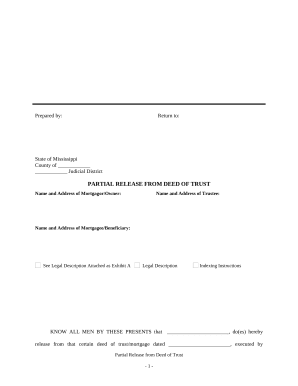
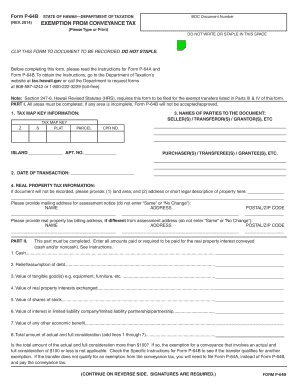
  1. Browse Trust Property Records and choose the form you need.
  2. Review the template and then click Get Form.
  3. Wait for it to upload in the online editor.
  4. Adjust your template: include new information and pictures, and fillable fields or blackout some parts if required.
  5. Prepare your template, conserve adjustments, and prepare it for delivering.
  6. When all set, download your form or share it with your contributors.

Try out DocHub and browse our Trust Property Records category easily. Get your free account right now!


Video Guide on Trust Property Records management

video background

Commonly Asked Questions about Trust Property Records

ing to CRA, property held in a trust is deemed to be sold every 21 years, unless it is actually sold or rolled out to beneficiaries before the 21-year deadline. For tax purposes, if your clients miss the 21-year deadline, its as if they sold the cottage. That means capital gains tax.
A trust is considered a taxpayer in Canada even though it is not considered a legal entity. A trust pays tax at the highest personal marginal tax rate on its taxable income and doesnt have the benefit of individual tax credits.
The truth is, there is no inheritance tax in Canada. Instead, after a person is deceased, a final tax return must be prepared on income they earned up to the date of death.
The trustee also needs to provide T3 tax slips to the beneficiaries for any income that was paid or made payable to them. The beneficiaries will use the T3 slips to file their personal tax returns.
Access to the account If you want online access to the trust account, please visit About My Trust Account Canada.ca to learn more about our online services. With offline access to the account you can request information in writing by sending a letter to the tax centre on page 3 of the Form T3APP.
Beneficiaries of a trust typically pay taxes on the distributions they receive from a trusts income. The trust doesnt pay the tax. Beneficiaries arent subject to taxes on distributions from the trusts principal, however. The principal is the original sum of money that was placed into the trust.
Understanding Trust Agreements A trust agreement is a legal arrangement where the legal ownership of property is transferred from the owner (settlor) to a trustee, who holds and manages the property for the benefit of one or more beneficiaries.
Most trusts are subject to a flat tax rate, which is equal to the highest marginal rate that applies to individual tax payers. The federal rate is 33% and the provincial tax rate depends on the province your trust operates in.