
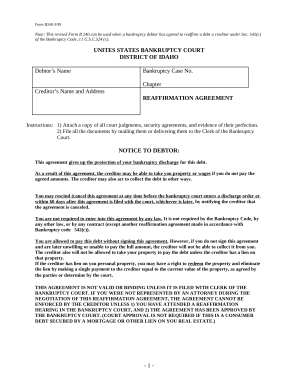
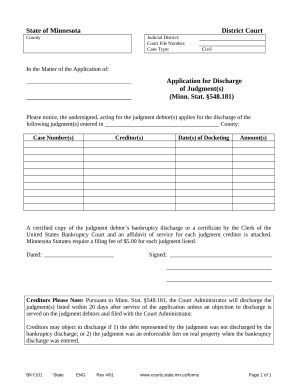
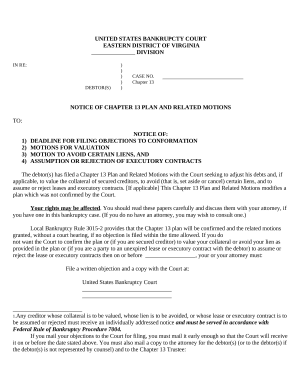
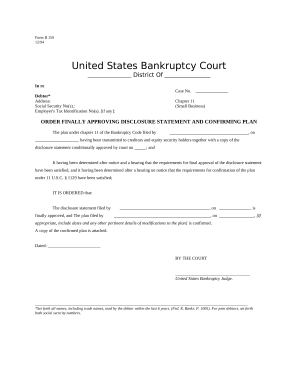
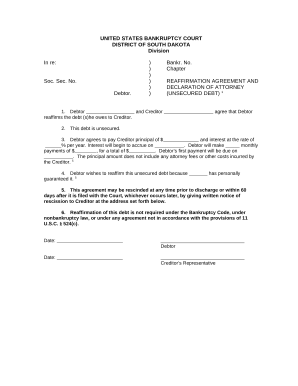
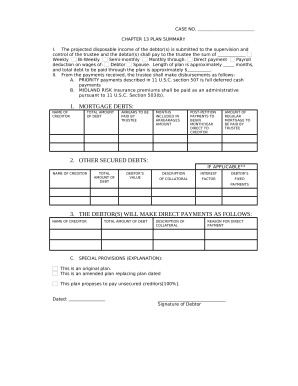
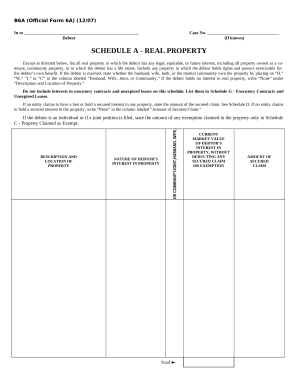
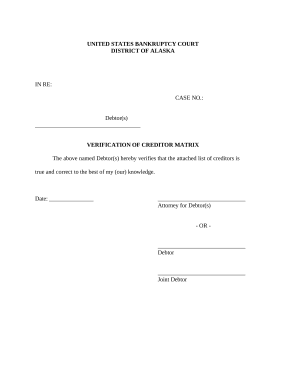
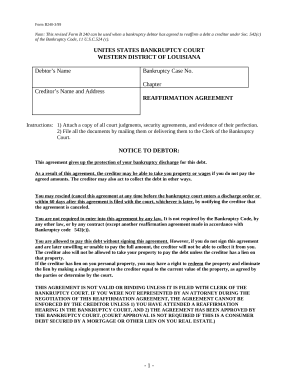
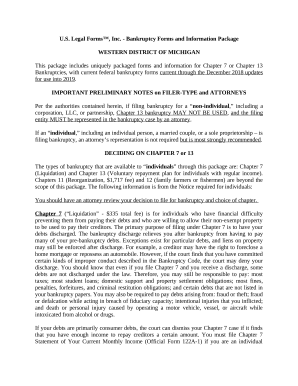
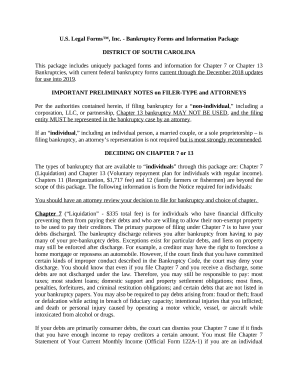
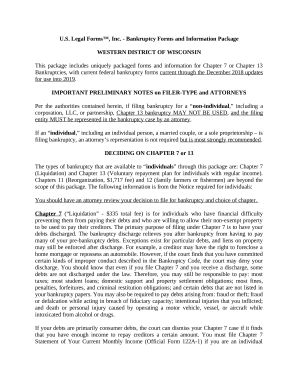
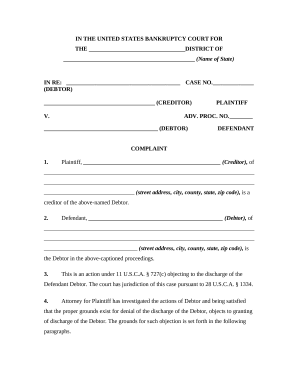
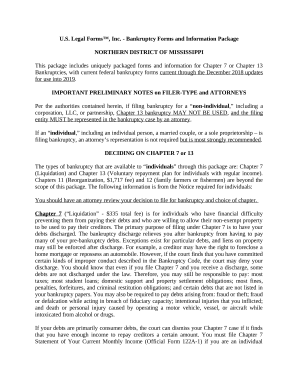
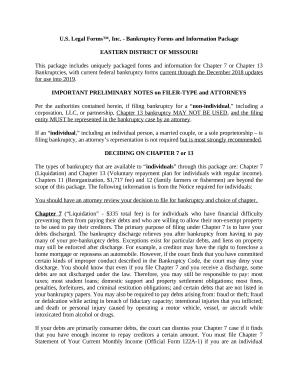
Improve your document administration with US Legal Forms for Bankruptcy

Your workflows always benefit when you can locate all the forms and files you will need on hand. DocHub offers a wide array of templates to alleviate your day-to-day pains. Get hold of US Legal Forms for Bankruptcy category and quickly find your document.

Start working with US Legal Forms for Bankruptcy in a few clicks:

  1. Access US Legal Forms for Bankruptcy and find the document you require.
  2. Click Get Form to open it in our online editor.
  3. Start adjusting your file: add fillable fields, highlight sentences, or blackout sensitive information and facts.
  4. The app saves your changes automatically, and once you are all set, you can download or distribute your form with other contributors.

Enjoy easy form management with DocHub. Check out our US Legal Forms for Bankruptcy online library and get your form today!


Video Guide on US Legal Forms for Bankruptcy management

video background

Commonly Asked Questions about US Legal Forms for Bankruptcy

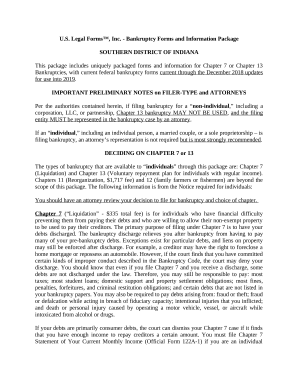
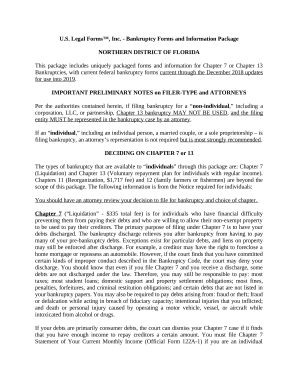
Chapter 7 Chapter 7 and Chapter 13 are the most commonly filed types of bankruptcy, likely because these are available to individual consumers. Bankruptcy is one way to discharge your debts, but it has a negative and lasting impact on your credit. The 5 Most Common Types of Bankruptcy - Bankrate Bankrate personal-finance debt m Bankrate personal-finance debt m
If you file for personal bankruptcy, you generally have two options: Chapter 7 or Chapter 13. A Chapter 7 bankruptcy will sell off many of your assets to pay your creditors. In a Chapter 13 bankruptcy, you keep the assets but must repay your debts over a specified period.
Most people prefer Chapter 7 bankruptcy because, unlike Chapter 13 bankruptcy, it doesnt require you to repay a portion of your debt to creditors. In Chapter 13 bankruptcy, you must pay your creditors all of your disposable incomethe amount remaining after allowed monthly expensesfor three to five years. Is It Better To File A Chapter 7 or 13 Bankruptcy? - Nolo Nolo legal-encyclopedia is-it-better Nolo legal-encyclopedia is-it-better
It might be time to declare bankruptcy, if, for example, you have large debts that you cant repay, are behind in your mortgage payments and are in danger of foreclosure, or are getting calls from bill collectors. Bankruptcy can often reduce or eliminate your debts, save your home, and keep bill collectors at bay. When to Declare Bankruptcy - Investopedia Investopedia articles personal-finance Investopedia articles personal-finance
While filing Chapter 7 or Chapter 13 bankruptcy can be scary, it can also improve your quality of life. Creditors and collection agencies will stop calling and writing to you. Your credit score may stop going down each month. Advantages and Disadvantages of Chapter 7 Bankruptcy - FindLaw FindLaw bankruptcy chapter-7 pro FindLaw bankruptcy chapter-7 pro
Or somewhat more accurately, Chapter 13 can give you more power over and flexibility with certain kinds of creditors, and if you have non-exempt assets. However, if you do not have those kinds of debt or assets, or not much in terms of tangible assets, then Chapter 7 would likely be the faster and easier option.
Bankruptcy law provides for the development of a plan that allows a debtor, who is unable to pay his creditors, to resolve his debts by dividing his assets among his creditors. This supervised division also allows the interests of all creditors to be treated with some measure of equality.
The most common types of bankruptcy are chapter 7, which are liquidating bankruptcy, and chapter 13 cases, often used by individuals who want to catch up on past due mortgage or car loan payments and keep their assets.
