Get and manage Trust and Estate Planning online

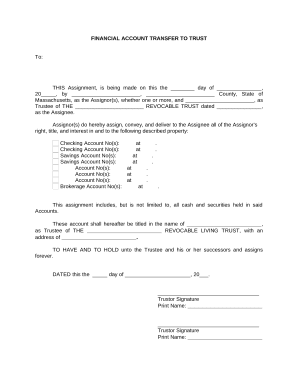
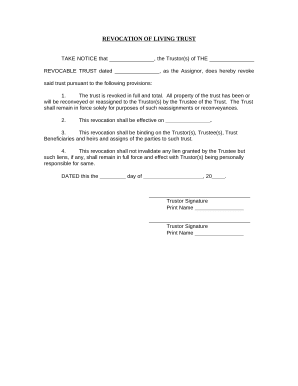
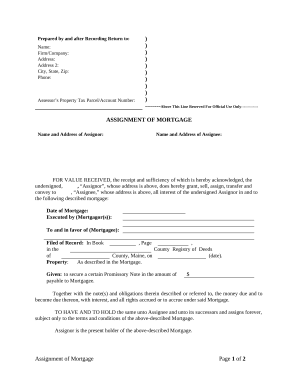
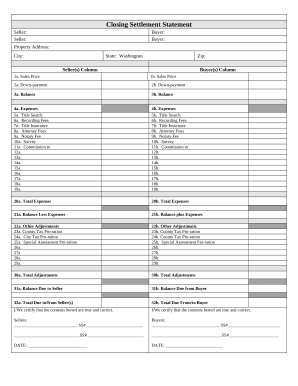
Speed up your file operations using our Trust and Estate Planning online library with ready-made form templates that suit your needs. Get your document, change it, fill it, and share it with your contributors without breaking a sweat. Begin working more effectively with the documents.

The best way to use our Trust and Estate Planning:

  1. Open our Trust and Estate Planning and look for the form you need.
  2. Preview your form to ensure it’s what you want, and click Get Form to start working on it.
  3. Alter, add new text, or point out important information with DocHub features.
  4. Prepare your form and preserve the modifications.
  5. Download or share your form with other recipients.

Discover all of the possibilities for your online document administration with the Trust and Estate Planning. Get a totally free DocHub account today!


Video Guide on Trust and Estate Planning management

video background

Commonly Asked Questions about Trust and Estate Planning

Trusts offer amazing benefits, but they also come with potential downsides like loss of control, limited access to assets, costs, and recordkeeping difficulties.
Shoddy record-keeping and failure to account for decisions that open the door to malfeasance. Mismanaged trust assets, resulting in beneficiary lawsuits and steep legal expenses.
Trusts and estates are the two main legal structures for transferring assets to your heirs and beneficiaries. Each works in critically different ways. Estates make a one-time transfer of your assets after death. Trusts, meanwhile, allow you to create an ongoing transfer of assets both before and after death. Estate vs. Trust: Whats the Difference? - SmartAsset smartasset.com estate-planning estate-vs-trust smartasset.com estate-planning estate-vs-trust
Probate avoidance is the only goal. While this is an admirable goal, a trust may not be the only way to avoid probate. You have straightforward wishes. Youre motivated by tax savings or Medicaid eligibility. Youre not great at follow-through.
A revocable living trust provides you with more flexibility. You can use it to protect your assets in case of incapacity and to avoid having assets transfer through probate, but cannot use it to protect against creditor claims or avoid estate taxes. An irrevocable trust provides you with more protection.
Creating a property protection trust (sometimes called an asset protection trust, a family protection trust or a property preservation trust) through your will allows someone to benefit from your estate after you have died as if he or she owned the assets, without actually inheriting it. Should You Use Property Protection Trusts In Your Will? - Net Lawman netlawman.co.uk property-protection-will- netlawman.co.uk property-protection-will-
A living trust, unlike a will, can keep your assets out of probate proceedings. A trustor names a trustee to manage the assets of the trust indefinitely. Wills name an executor to manage the assets of the probate estate only until probate closes.
Complexity and Cost Establishing and maintaining a trust can be complex and expensive. Trusts require legal expertise to draft, and ongoing management by a trustee may involve administrative fees.
A will wont be effective until after the testator dies, while a trust goes into effect immediately after its signed. A will typically goes into probate after the testator dies, while a trust does not.