

Improve your template management with Transaction Legal Documents

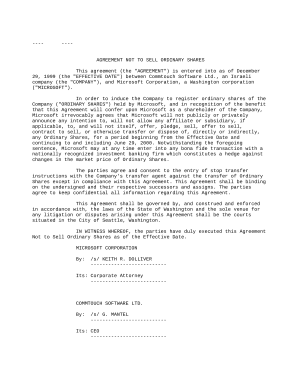
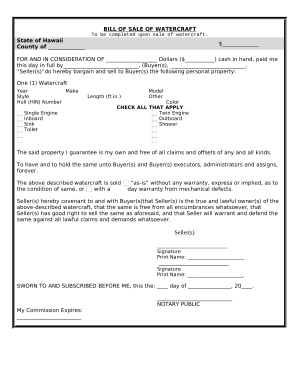
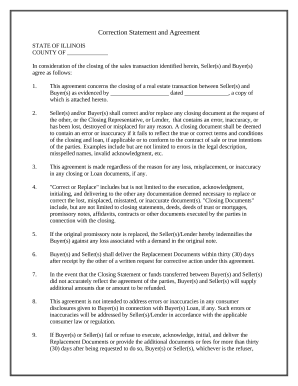
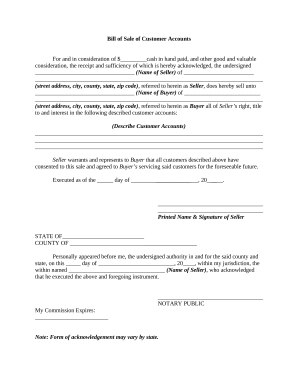
Your workflows always benefit when you are able to find all of the forms and documents you will need on hand. DocHub offers a vast array of templates to ease your daily pains. Get a hold of Transaction Legal Documents category and quickly find your document.

Start working with Transaction Legal Documents in a few clicks:

  1. Browse Transaction Legal Documents and discover the form you need.
  2. Click Get Form to open it in our editor.
  3. Start changing your form: add fillable fields, highlight paragraphs, or blackout sensitive information.
  4. The application saves your changes automatically, and once you are ready, you can download or distribute your file with other contributors.

Enjoy easy file managing with DocHub. Check out our Transaction Legal Documents category and look for your form right now!


Video Guide on Transaction Legal Documents management

video background

Commonly Asked Questions about Transaction Legal Documents

Common examples of transaction documents are: bills. bank statements (and credit card, financial services, etc.) insurance policies.
The three examples of transaction source documents are: Timecard. Bank statement. Sales order.
These documents serve as proof not only that the transaction has occurred but also of the details of the transaction. In business accounting, source documents would include items such as invoices, receipts, deposit slips, checks, travel documents, timecards, orders, credit memos, etc.
The most common documents are: Checks. Invoices. Receipts. Credit memos. Employee time cards. Deposit slips. Purchase orders.
Transactional documents are any documents relating to transactions which have been made between businesses and their customers and clients. These include service statements and invoices to request payment for a service.
Document Information At the order stage, key documents are orders, acknowledgement notes, and proforma invoices. Delivery stage documents include packing notes, advice notes, delivery notes, consignment notes, goods received notes, and returned/damaged goods notes.
