



Improve your file administration with Texas Real Estate Deeds

Your workflows always benefit when you are able to locate all of the forms and documents you will need on hand. DocHub gives a huge selection of forms to relieve your day-to-day pains. Get hold of Texas Real Estate Deeds category and easily discover your document.

Start working with Texas Real Estate Deeds in a few clicks:

  1. Access Texas Real Estate Deeds and locate the form you need.
  2. Click Get Form to open it in the editor.
  3. Start modifying your file: add fillable fields, highlight sentences, or blackout sensitive information.
  4. The app saves your adjustments automatically, and after you are ready, you are able to download or distribute your file with other contributors.

Enjoy easy file administration with DocHub. Discover our Texas Real Estate Deeds collection and find your form right now!


Video Guide on Texas Real Estate Deeds management

video background

Commonly Asked Questions about Texas Real Estate Deeds

Official Public Records (OPR) include legal documents such as deeds, deeds of trust, liens, hospital liens, transfer of liens, release of liens, military discharges (DD 214s), assumed name certificates, assignments, power of attorneys, affidavits, cattle brands, plats, and a variety of other important records.
Registering on TexasFile allows you to search deed records immediately for free. Expand your search options with our paid features. Full grantor-grantee indexes. Search by legal descriptions.
Once a deed has been recorded by the County Clerks Office, copies of the deed may be requested if the original deed has been misplaced. Plain copies can be found by using the Official Public Records Search and selecting Land Records. A certified copy may be purchased through request either in person or by mail.
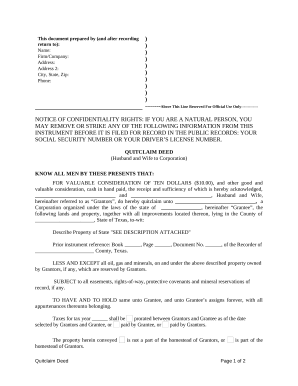
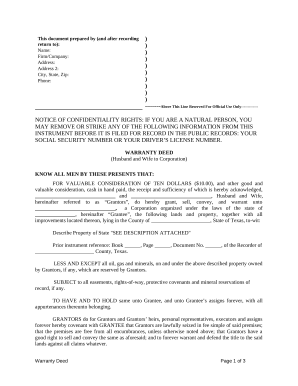
A deed is evidence of a specific event of transferring the title of the property from one person to another. A title is the legal right to use and modify the property how you see fit, or transfer interest or any portion that you own to others via a deed.
The County Clerk as Recorder of Deeds/Official Public Records: Texas Government Code, Local Government Code, Property Code, Uniform Commercial Code, Civil Practice and Remedies Code, Business and Commercial Code.
Texas Government Code, Chapter 552, gives you the right to access government records. All government information is presumed to be available to the public, although exceptions may apply to the disclosure of some information. Read more about the Public Information Act.
In order to conduct a property title search on your own without paying a lawyer or a title company, you should head to your county clerks office. In Texas, each county clerks office is responsible for keeping detailed property records these records are public, and therefore available for you to view.
In Texas, you record your deed with the County Clerk in the county where the property exists. If the property is in more than one county, record it in each. It is important to record your deed. In Texas, the property is legally transferred when the grantee accepts the signed deed.
