
Improve your form managing with Tenant rights in Hawaii

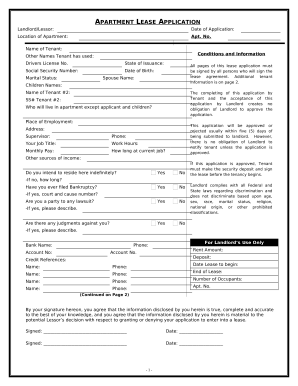
Your workflows always benefit when you can discover all the forms and files you require at your fingertips. DocHub gives a huge selection of forms to ease your everyday pains. Get hold of Tenant rights in Hawaii category and quickly find your form.

Start working with Tenant rights in Hawaii in several clicks:

  1. Gain access to Tenant rights in Hawaii and get the document you require.
  2. Click on Get Form to open it in the editor.
  3. Start modifying your file: add more fillable fields, highlight sentences, or blackout sensitive info.
  4. The app saves your adjustments automatically, and after you are all set, you can download or share your file with other contributors.

Enjoy easy form management with DocHub. Discover our Tenant rights in Hawaii online library and discover your form today!


Video Guide on Tenant rights in Hawaii management

video background

Commonly Asked Questions about Tenant rights in Hawaii

If a landlord wants to evict a tenant before the tenants lease or rental agreement has expired, then the landlord must have legal cause (a reason). Hawaii law defines legal cause as failure to pay rent, violation of the lease or rental agreement, or serious damage to the rental unit or another person.
Normal wear and tear in Hawaii includes minor issues that occur naturally over time, such as fading paint, carpet wear from normal use, and minor scuffs or nicks in walls. It does not include docHub damage like large holes, stains, or burns in the carpeting or flooring.
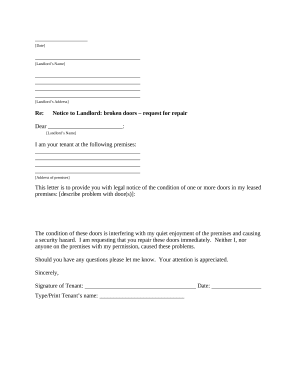
Tenants have the right to seek a rental unit in a habitable condition. If the property ever needs some repairs, the Hawaii tenant can request repairs from their landlord. If the landlord doesnt respond within the required notice, the tenant may exercise their repair and deduct right.
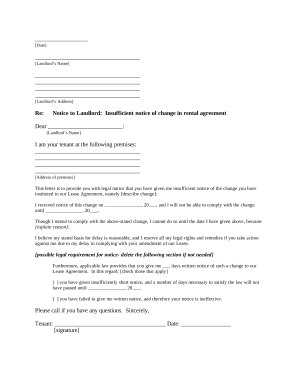
If the rental period is one month, the law requires that a landlord notify the tenant in writing at least 45 days before the date the landlord wants the tenant to move out. A tenant who wants to end the rental must give written notice to the landlord 28 days before moving.
Landlords must follow the formal court eviction process. Landlords cannot evict tenants in retaliation for exercising legal rights, such as joining a tenant union or making repair requests. Evictions based solely on a tenants race, gender, disability status or other protected class are prohibited.
Yes, a tenant in Hawaii can refuse entry to the landlord if the landlord does not provide reasonable notice or if the entry is not for a legitimate reason such as repairs, inspections, or emergencies. Typically, a 48-hour notice is considered reasonable for non-emergency entries.
Landlord harassment typically involves actions taken by a landlord or property owner to make a tenants living conditions unbearable or to force them to move out. This can include demanding money without notice, refusing to discuss bills, or attempting to change locks without proper eviction procedures.
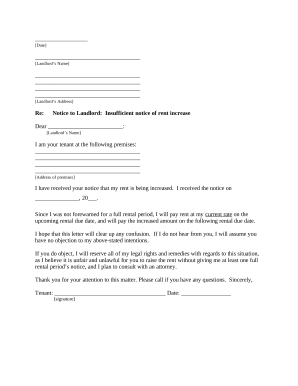
The landlord must give adequate written notice of the intent to increase the rent ing to the type of tenancy (see chart at end of handbook). There is no limit on the amount of the rent increase as there is no rent control in Hawaii.
