
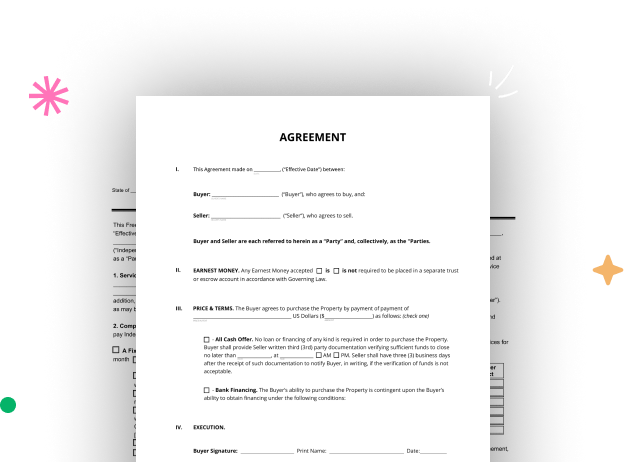

Create your Temporary Residential Lease Form from scratch

Start Building Now
Title decoration

Here's how it works

01. Start with a blank Temporary Residential Lease Form
Open the blank document in the editor, set the document view, and add extra pages if applicable.
02. Add and configure fillable fields
Use the top toolbar to insert fields like text and signature boxes, radio buttons, checkboxes, and more. Assign users to fields.
03. Distribute your form
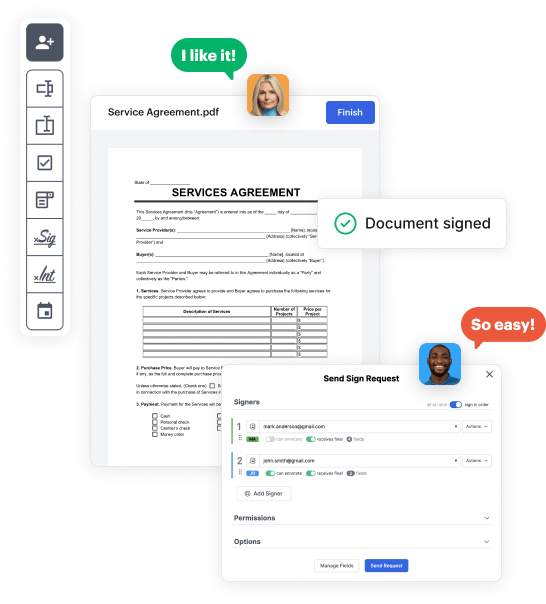
Share your Temporary Residential Lease Form in seconds via email or a link. You can also download it, export it, or print it out.

Design your Temporary Residential Lease Form in a matter of minutes

Form edit decoration

Step 1: Access DocHub to set up your Temporary Residential Lease Form.

Begin signining into your DocHub account. Explore the pro DocHub functionality at no cost for 30 days.

Step 2: Go to the dashboard.

Once signed in, go to the DocHub dashboard. This is where you'll build your forms and handle your document workflow.

Step 3: Create the Temporary Residential Lease Form.

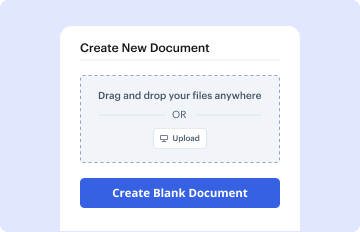
Click on New Document and choose Create Blank Document to be taken to the form builder.

Step 4: Set up the form layout.

Use the DocHub toolset to add and configure form fields like text areas, signature boxes, images, and others to your document.

Step 5: Insert text and titles.

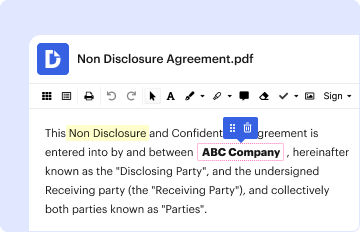
Add needed text, such as questions or instructions, using the text field to lead the users in your form.

Step 6: Configure field properties.

Adjust the properties of each field, such as making them compulsory or arranging them according to the data you expect to collect. Assign recipients if applicable.

Step 7: Review and save.

After you’ve managed to design the Temporary Residential Lease Form, make a final review of your document. Then, save the form within DocHub, export it to your selected location, or distribute it via a link or email.


be ready to get more

Build your Temporary Residential Lease Form in minutes

Start creating now

Got questions?

We have answers to the most popular questions from our customers. If you can't find an answer to your question, please contact us.
Contact us
A temporary lease agreement is a legal agreement between the landlord of a property and a tenant that intends to use or occupy it. The difference between a temporary lease agreement and a traditional lease agreement is the occupancy of the property is on a shorter-term or seasonal basis.
Yes, a Short-Term Rental Agreement is a legally binding contract between the property owner (or property manager) and the renter. It outlines the terms and conditions of the rental arrangement and is enforceable in court if either party fails to fulfill their obligations.
A sale leaseback allows a buyer to rent the property back to the sellers, letting them stay in the home for a predetermined amount of time after the closing. This situation is fairly common if the sellers havent bought a new home before their house sells, and need a place to live.
Yes, Microsoft Word has a free lease agreement template that you can customize to create your own contract and minimize any potential problems between tenant and landlord.
An Ohio month-to-month lease agreement is a flexible rental contract that can be terminated by either the landlord or tenant by giving 30 days notice. The lease renews continually one of the parties gives notice to cancel.
be ready to get more

Build your Temporary Residential Lease Form in minutes

Start creating now

Related Q&A to Temporary Residential Lease Form

In this competitive market, many buyers have been willing to let the seller lease back the house after closing but in many cases, theres a 59-day limit for how long that lease can last.
Many people prefer the consistency of a year-long lease. However, depending on how long you want to be in the apartment, you may prefer a shorter or longer lease term. Month-to-month leases can also be very convenient if you are unsure of your plans and want more flexibility for your lease.
Duration: A short-term commercial lease may only have a 1-5-year term, meaning the rent value is lower than a 10-to-20-year lease. Flexibility: Short-term leases offer greater flexibility to both landlords and tenants.

Additional resources on building your forms