
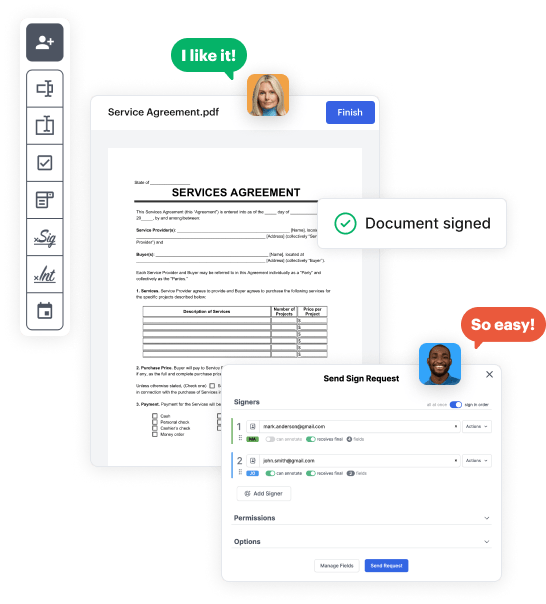
Create your Sublease Legal Form from scratch

Start Building Now
Title decoration

Here's how it works

01. Start with a blank Sublease Legal Form
Open the blank document in the editor, set the document view, and add extra pages if applicable.
02. Add and configure fillable fields
Use the top toolbar to insert fields like text and signature boxes, radio buttons, checkboxes, and more. Assign users to fields.
03. Distribute your form
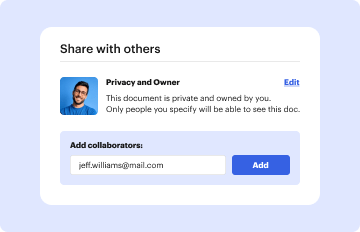
Share your Sublease Legal Form in seconds via email or a link. You can also download it, export it, or print it out.

Design your Sublease Legal Form in a matter of minutes

Form edit decoration

Step 1: Access DocHub to build your Sublease Legal Form.

Start by accessing your DocHub account. Explore the pro DocHub functionality at no cost for 30 days.

Step 2: Navigate to the dashboard.

Once signed in, go to the DocHub dashboard. This is where you'll build your forms and manage your document workflow.

Step 3: Design the Sublease Legal Form.

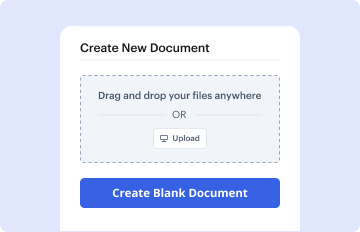
Hit New Document and select Create Blank Document to be redirected to the form builder.

Step 4: Design the form layout.

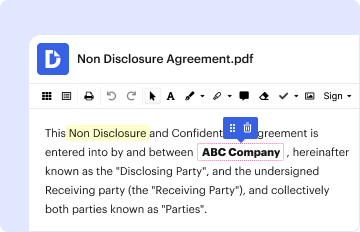
Use the DocHub tools to add and arrange form fields like text areas, signature boxes, images, and others to your document.

Step 5: Add text and titles.

Include needed text, such as questions or instructions, using the text field to guide the users in your form.

Step 6: Customize field properties.

Alter the properties of each field, such as making them required or arranging them according to the data you plan to collect. Designate recipients if applicable.

Step 7: Review and save.

After you’ve managed to design the Sublease Legal Form, make a final review of your document. Then, save the form within DocHub, transfer it to your chosen location, or distribute it via a link or email.


be ready to get more

Build your Sublease Legal Form in minutes

Start creating now

Got questions?

We have answers to the most popular questions from our customers. If you can't find an answer to your question, please contact us.
Contact us
How to Write One Identify all parties to the contract. Define the lease term. Identify the terms and rent amount. Address any other financial responsibilities. Discuss the terms of the security deposit. List any other restrictions. Date and sign the agreement. Attach a copy of the original lease.
What is a Consent to Sublease Letter? A permit to sublet is a document that must be signed by both the landlord and the tenant in order for the renter to begin a new lease with someone else. This contract specifies who can live on the property, how much rent must be paid, and what kind of dwelling units are authorized.
Sample Tenant Letter to Landlord Requesting Permission to Sublet. I currently live at the above address, under a lease we signed 18 months ago. I have a great opportunity to travel abroad this summer, and I would like your permission to sublet my apartment while I am gone (June 25 through August 25).
A consent to sublease is a document that the landlord and tenant must sign for a tenant to take on a new lease with someone else. This document has specific language outlining who can live at the property, how much rent will be paid, and other details about what types of dwelling units are allowed.
Your request letter should contain all the basics your reason for wanting to sublet, the start and end dates of the sublease, the name of your proposed tenant and their current address, contact information for your time away and your roommate approval form.
be ready to get more

Build your Sublease Legal Form in minutes

Start creating now

Related Q&A to Sublease Legal Form

How to sublet your apartment: Find out if subletting is allowed. Decide what to charge. Set the sublet terms. Find the right subletter. Screen your subletter. Get a security deposit. Check your rental insurance policy. Keep making your rent payments.
When writing a letter to your landlord, be sure to include the following elements: Your full name and rental address. The date of the letter. A clear and concise subject line. A polite and professional tone throughout the letter. Specific details about your request or concern. A proposed solution or timeline, if applicable.

Additional resources on building your forms


