
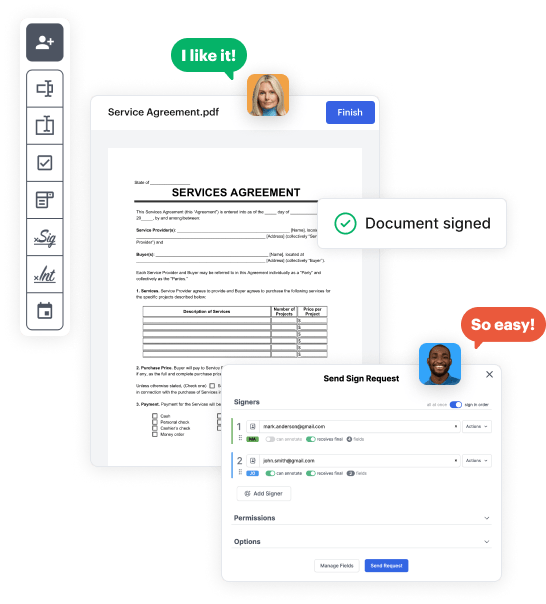
Create your Resumes and Cover Letter from scratch

Start Building Now
Title decoration

Here's how it works

01. Start with a blank Resumes and Cover Letter
Open the blank document in the editor, set the document view, and add extra pages if applicable.
02. Add and configure fillable fields
Use the top toolbar to insert fields like text and signature boxes, radio buttons, checkboxes, and more. Assign users to fields.
03. Distribute your form
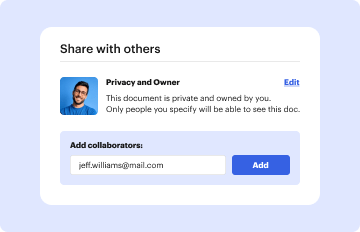
Share your Resumes and Cover Letter in seconds via email or a link. You can also download it, export it, or print it out.

Build Resumes and Cover Letter from scratch with these step-by-step instructions

Form edit decoration

Step 1: Start off by launching DocHub.

Begin by signing up for a free DocHub account using any available sign-up method. If you already have one, simply log in.

Step 2: Register for a free 30-day trial.

Try out the whole set of DocHub's advanced features by registering for a free 30-day trial of the Pro plan and proceed to build your Resumes and Cover Letter.

Step 3: Start with a new blank form.

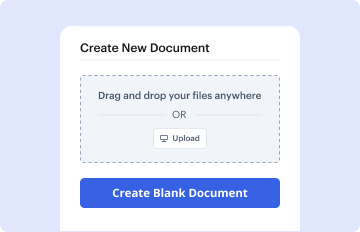
In your dashboard, hit the New Document button > scroll down and hit Create Blank Document. You’ll be redirected to the editor.

Step 4: Organize the document’s view.

Use the Page Controls icon marked by the arrow to switch between different page views and layouts for more flexibility.

Step 5: Start adding fields to create the dynamic Resumes and Cover Letter.

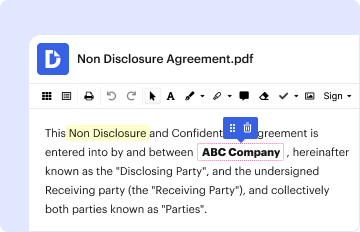
Explore the top toolbar to add document fields. Insert and arrange text boxes, the signature block (if applicable), embed images, etc.

Step 6: Prepare and configure the added fields.

Configure the fields you added based on your preferred layout. Customize each field's size, font, and alignment to ensure the form is user-friendly and polished.

Step 7: Finalize and share your template.

Save the completed copy in DocHub or in platforms like Google Drive or Dropbox, or craft a new Resumes and Cover Letter. Distribute your form via email or get a public link to engage with more people.


be ready to get more

Build your Resumes and Cover Letter in minutes

Start creating now

Got questions?

We have answers to the most popular questions from our customers. If you can't find an answer to your question, please contact us.
Contact us
Keeping your cover letter with your resume, in a single document lessens the chance of losing that impressive letter, and its easier for a potential employer to print. Here is one way to optimize your time and, maybe, impress a hiring manager.
Since the cover letter serves as your introduction, there is a case to be made for putting it in the front of the resume. If you want to make sure that the ATS scores your resume properly, however, you may want to put the resume at the beginning of the document.
Cover letter tips from career advice experts Demonstrate fit and value for the role. Follow application instructions. Tailor your cover letter to the job. Avoid apologizing for lack of experience. Avoid oversharing personal information. Maintain a professional tone. End with a call to action.
15 Cover Letter Tips Customize Your Cover Letter for Each Job. Make sure your cover letter is tailored to the job youre applying for. Showcase Your Skills. Avoid Fluff. Use Specific Examples. Research the Company. Follow the Application Instructions. Use the Right Template and Format. Express Your Enthusiasm.
The opening paragraph of your cover letter should grab the hiring managers attention and make them want to read your cover letter. Some tips to write an attention-grabbing opening paragraph include being direct, starting with a strong belief statement, or leading with a relevant achievement.
be ready to get more

Build your Resumes and Cover Letter in minutes

Start creating now

Related Q&A to Resumes and Cover Letter

The cover letter is usually the first item an employer reads from you. Your letter should immediately indicate what position you are applying for and then give information that demonstrates why you should be considered for the position.
A cover letter should focus specifically on the job youre applying to. While some information might appear in both documents, a cover letter usually focuses more on present and future objectives, and a resume represents previous jobs and accomplishments.

Additional resources on building your forms


