

Create your Real Estate Joint Tenancy Deed from scratch

Start Building Now
Title decoration

Here's how it works

01. Start with a blank Real Estate Joint Tenancy Deed
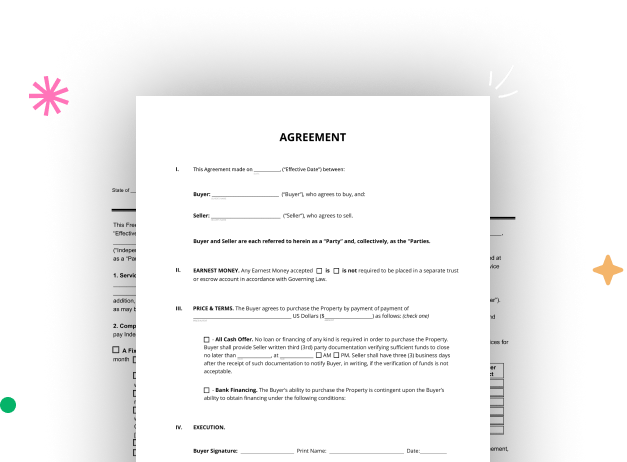
Open the blank document in the editor, set the document view, and add extra pages if applicable.
02. Add and configure fillable fields
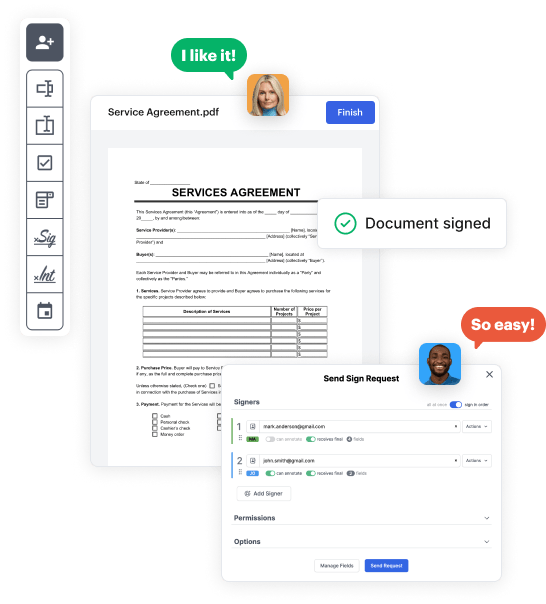
Use the top toolbar to insert fields like text and signature boxes, radio buttons, checkboxes, and more. Assign users to fields.
03. Distribute your form
Share your Real Estate Joint Tenancy Deed in seconds via email or a link. You can also download it, export it, or print it out.

A simple guide on how to create a polished Real Estate Joint Tenancy Deed

Form edit decoration

Step 1: Log in to DocHub to begin creating your Real Estate Joint Tenancy Deed.

First, sign in to your DocHub account. If you don't have one, you can simply sign up for free.

Step 2: Head to the dashboard.

Once you’re in, navigate to your dashboard. This is your main hub for all document-focused tasks.

Step 3: Initiate new document creation.

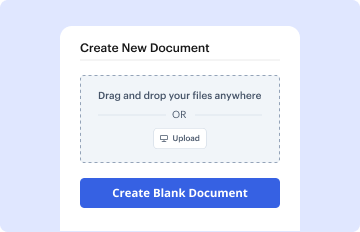
In your dashboard, hit New Document in the upper left corner. Opt for Create Blank Document to craft the Real Estate Joint Tenancy Deed from the ground up.

Step 4: Incorporate form fillable areas.

Place various elements like text boxes, photos, signature fields, and other elements to your form and assign these fields to specific individuals as necessary.

Step 5: Configure your document.

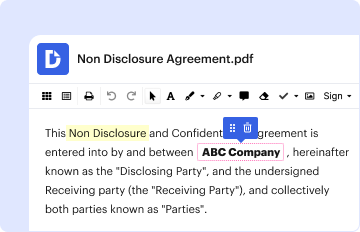
Personalize your document by incorporating instructions or any other necessary details using the text tool.

Step 6: Review and tweak the form.

Thoroughly go over your created Real Estate Joint Tenancy Deed for any mistakes or needed adjustments. Take advantage of DocHub's editing tools to fine-tune your document.

Step 7: Share or download the document.

After completing, save your work. You may select to keep it within DocHub, export it to various storage solutions, or send it via a link or email.


be ready to get more

Build your Real Estate Joint Tenancy Deed in minutes

Start creating now

Got questions?

We have answers to the most popular questions from our customers. If you can't find an answer to your question, please contact us.
Contact us
In the great majority of states, if you and your co-owners own property as joint tenants with the right of survivorship or put the abbreviation JT WROS after your names on the title document, you not only co-own the property, but you own it in a way that automatically determines who will own it when one of you dies
If a co-owner has outstanding debts, their creditors could seize an interest in your home or bank account. Relationship Issues. Holding an asset jointly can complicate a divorce or other relationship problems. If you have a jointly held bank account, your co-owner could withdraw all of the money without your consent.
There are 4 units of joint tenancy (Four conditions that are required in order for there to be a formation of a joint tenancy): Time, Title, Interest, Possession. If any of these conditions are not satisfied or are altered so that they no longer exist, then the joint tenancy is extinguished.
A property owned by joint tenants is owned by two or more persons in equal shares, by a title created by a single will or transfer, when expressly declared in the will or transfer to be a joint tenancy, or by transfer from a sole owner to himself or herself and others, or from tenants in common or joint tenants to
For example, the intent may be manifested through simply stating in the conveyance deed, as joint tenants. This can also be accomplished by utilizing such phrases as, in joint tenancy with the right of survivorship or as joint tenants with the right of survivorship, or the abbreviation JTWROS.
be ready to get more

Build your Real Estate Joint Tenancy Deed in minutes

Start creating now

Related Q&A to Real Estate Joint Tenancy Deed

Creation of Joint tenancy Four Unities Possession: both co-owners must have possession of the property as a whole. Interest: both co-owners must have equal shares of the same nature, extent and duration. Title: both co-owners must take their interest under the same document, or by virtue of the same act.

Additional resources on building your forms