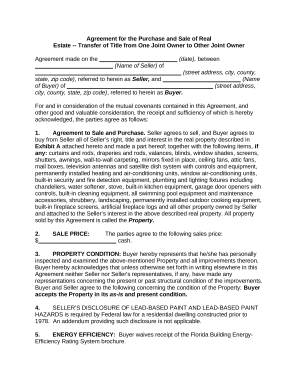
Transform your template managing with Real Estate Joint Ownership

Your workflows always benefit when you can discover all the forms and documents you need at your fingertips. DocHub offers a a huge library of document templates to relieve your day-to-day pains. Get a hold of Real Estate Joint Ownership category and quickly find your form.

Begin working with Real Estate Joint Ownership in a few clicks:

  1. Open Real Estate Joint Ownership and find the form you need.
  2. Click on Get Form to open it in our online editor.
  3. Start modifying your file: add fillable fields, highlight sentences, or blackout sensitive information and facts.
  4. The app saves your modifications automatically, and once you are ready, you are able to download or share your form with other contributors.

Enjoy fast and easy file management with DocHub. Check out our Real Estate Joint Ownership collection and discover your form today!


Video Guide on Real Estate Joint Ownership management

video background

Commonly Asked Questions about Real Estate Joint Ownership

Owners can hold any property such as a house, a flat, or even a boat or money in a joint bank account, in one of two ways: either as joint tenants or as tenants in common. These archaic expressions are based in The Law Of Property Act 1925, which although old, enacts a brilliant concept. Property Co-ownership: Joint Tenancy Tenants In Common - Net Lawman netlawman.co.uk co-ownership-property netlawman.co.uk co-ownership-property
In New York, there are three ways to hold property with a co-owner: tenancy by the entirety, joint tenancy, and tenants in common. However, only two of these can have a right of survivorship. The others must go through probate to pass the property to another owner.
If a co-owner has outstanding debts, their creditors could seize an interest in your home or bank account. Relationship Issues. Holding an asset jointly can complicate a divorce or other relationship problems. If you have a jointly held bank account, your co-owner could withdraw all of the money without your consent.
Problems With Joint Ownership By jointly owning property, you may find yourself party to a lawsuit if your co-owner is sued or the asset could be lost to a creditor of your co-owner. If your co-owner becomes incapacitated, you could find yourself owning the property with the co-owners guardian or the courts.
Key Takeaways. Some of the main benefits of joint tenancy include avoiding probate courts, sharing responsibility, and maintaining continuity. The primary pitfalls are the need for agreement, the potential for assets to be frozen, and loss of control over the distribution of assets after death. Joint Tenancy: Benefits and Pitfalls - Investopedia investopedia.com articles joint-tenancy investopedia.com articles joint-tenancy
Joint ownership is a concept in property law that refers to the ownership of property by two or more people. There are four main types of joint ownership: joint tenancy with rights of survivorship; tenancy by the entirety; tenancy in common and community property.
Joint Tenancies are co-ownership interest in real property. A Joint Tenancy must include these four unities: Unity of interest: The interest of each owner is equal. Unity of time: The interest of the owners is acquired at the same time. Unity of possession: The owners have the right of survivorship.
With a joint mortgage, all parties involved are legally responsible for paying back the loan and following its terms. A joint mortgage doesnt necessarily mean joint ownership of the home, however; rather, ownership pertains to the names on the homes title.