Enhance your productiveness with Plaintiff Divorce Documents

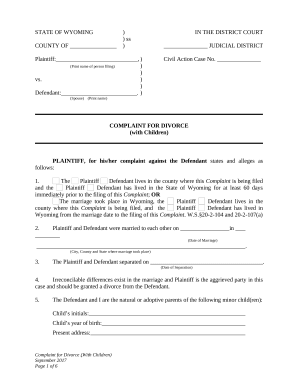
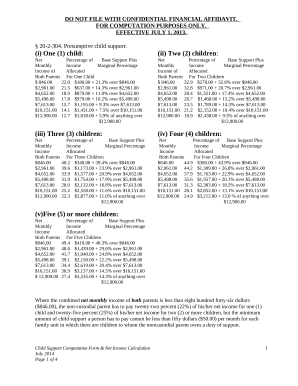
Papers management consumes to half of your office hours. With DocHub, it is easy to reclaim your office time and improve your team's efficiency. Get Plaintiff Divorce Documents collection and investigate all templates relevant to your daily workflows.

Effortlessly use Plaintiff Divorce Documents:

  1. Open Plaintiff Divorce Documents and apply Preview to find the appropriate form.
  2. Click Get Form to begin working on it.
  3. Wait for your form to open in the online editor and start editing it.
  4. Add new fillable fields, icons, and pictures, adjust pages, and many more.
  5. Fill your form or prepare it for other contributors.
  6. Download or share the form by link, email attachment, or invite.

Boost your daily document management with the Plaintiff Divorce Documents. Get your free DocHub profile right now to discover all templates.


Video Guide on Plaintiff Divorce Documents management

video background

Commonly Asked Questions about Plaintiff Divorce Documents

Although you can complete a divorce without your spouses consent, you must take steps to notify him or her of your intention to divorce. If you cannot locate your spouse, you can still file for divorce, but only after you have taken steps to attempt to locate and serve him or her with the divorce papers.
New York Spousal support rules do take into account spouses who are not in the workforce full-time at the time of the divorce. Typically, they are not expected to get a job right away but neither can they refuse to work full-time and simply receive spousal support for years.
New York is an equitable distribution state, which means that each spouse is entitled to a fair share of assets, including real property. In an equitable distribution, assets do not need to be divided 50/50 but in a manner that allows both spouses to share in the marital investments.
New York is a state that enforces an equitable distribution of assets in divorce proceedings. This means that marital property is divided 50/50 but in a way that is equitable and fair. When determining what is equitable, the court takes several factors into account.
The divorce needs to be filed before the Supreme Court of the state of New York. To initiate the legal action, the petitioning spouse must file a Summons with or without a complaint.
Though men can feel financially stressed after the divorce because they may have to pay alimony, child support, move out to another home, and generally spend more every month, many studies suggest that the economic impact of divorce adversely impacts women more than men.
New York courts must divide the marital property equitably. That means fairly, considering the circumstances of the case and of the parties involved, but it does not necessarily mean equally. There is no statutory requirement of a 50/50 split of marital property.
Tap into your support network, turning to family and friends for assistance and comfort. Formal support groups can also help you cope with the many emotions of a marriage ending. To stay positive as you start a new chapter, try getting involved in activities you used to love but havent done in a while.
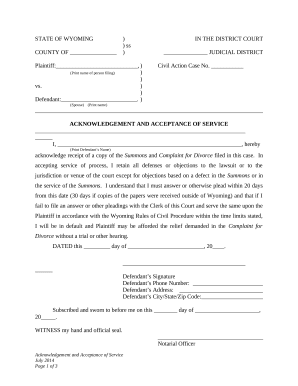
New York state law requires that the defendant in a divorce action be personally served with the Summons with Notice or Summons and Verified Complaint.
Some uncontested divorces are resolved as quickly as six weeks, while others can take six months or more.