Get and handle Pennsylvania Residential Leases online

Accelerate your form operations using our Pennsylvania Residential Leases category with ready-made templates that suit your needs. Access your form template, modify it, complete it, and share it with your contributors without breaking a sweat. Begin working more effectively with the documents.

The best way to manage our Pennsylvania Residential Leases:

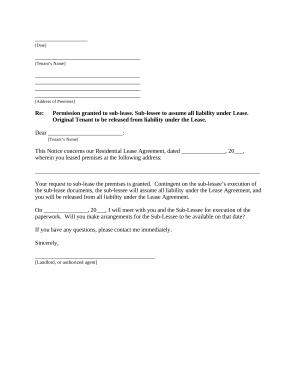
  1. Open our Pennsylvania Residential Leases and look for the form you want.
  2. Preview your document to ensure it’s what you want, and click on Get Form to begin working on it.
  3. Change, include new text, or highlight important information with DocHub tools.
  4. Complete your form and save the modifications.
  5. Download or share your form with other recipients.

Examine all of the opportunities for your online document management using our Pennsylvania Residential Leases. Get your totally free DocHub profile today!


Video Guide on Pennsylvania Residential Leases management

video background

Commonly Asked Questions about Pennsylvania Residential Leases

Section 201. Leases for Not More Than Three Years. --Real property, including any personal property thereon, may be leased for a term of not more than three years by a landlord or his agent to a tenant or his agent, by oral or written contract or agreement.
A fixed-term lease is the most traditional lease. Theyre called fixed term because tenants and landlords are agreeing to abide by the lease for a fixed amount of time, normally six to 14 months.
Generally, Pennsylvania is considered landlord-friendly. There are a few state-sanctioned policies, like rental fee limits and entry notifications. Also, eviction laws tend to be attractive to landlords. In Pennsylvania, a rental agreement gets established once there is an exchange of rent.
Net leases A triple net lease, sometimes known as an NNN lease, is the most common type of commercial lease. A triple net lease is a lease whose monthly rent fee does not include operating expenses. Typical operating expenses include insurance, utilities, property taxes and maintenance costs.
The most common periodic tenancy is the month-to-month tenancy. rents causes the tenancy to be treated like a periodic tenancy (Civil Code Section 1946).
Frequently Asked Questions (FAQs) No, Pennsylvania Lease Agreements do not need to be docHubd. As long as the PA Rental Agreement is signed by both the Landlord and Tenant, its considered fully executed and legally binding. How long do Landlords have to return security deposits in Pennsylvania?
Gross Lease Gross leases are most common for commercial properties such as offices and retail space. The tenant pays a single, flat amount that includes rent, taxes, utilities, and insurance. The landlord is responsible for paying taxes, utilities, and insurance from the rent fees.
In a gross lease, the tenant pays a fixed price for rent, and the landlord is responsible for all operating expenses. This is the type of lease most common for residential properties and multifamily real estate because it is considered tenant-friendly.