
Create your Notice and Demand Letter from scratch

Start Building Now
Title decoration

Here's how it works

01. Start with a blank Notice and Demand Letter
Open the blank document in the editor, set the document view, and add extra pages if applicable.
02. Add and configure fillable fields
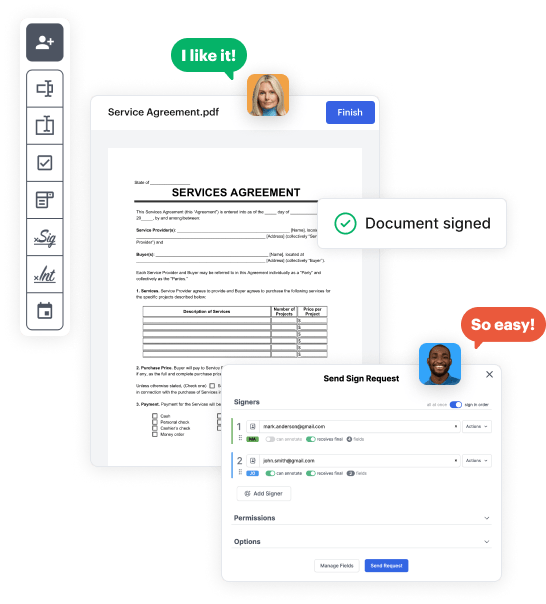
Use the top toolbar to insert fields like text and signature boxes, radio buttons, checkboxes, and more. Assign users to fields.
03. Distribute your form
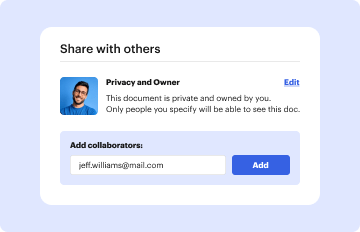
Share your Notice and Demand Letter in seconds via email or a link. You can also download it, export it, or print it out.

Build Notice and Demand Letter from the ground up with these step-by-step guidelines

Form edit decoration

Step 1: Open DocHub and get going.

Begin by registering a free DocHub account using any available sign-up method. Just log in if you already have one.

Step 2: Register for a 30-day free trial.

Try out the whole suite of DocHub's pro tools by signing up for a free 30-day trial of the Pro plan and proceed to build your Notice and Demand Letter.

Step 3: Add a new blank form.

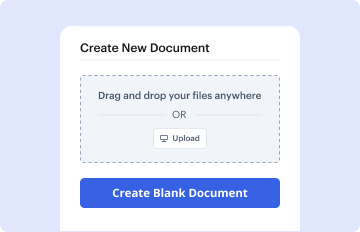
In your dashboard, click the New Document button > scroll down and hit Create Blank Document. You’ll be redirected to the editor.

Step 4: Organize the document’s view.

Utilize the Page Controls icon marked by the arrow to switch between different page views and layouts for more flexibility.

Step 5: Start adding fields to create the dynamic Notice and Demand Letter.

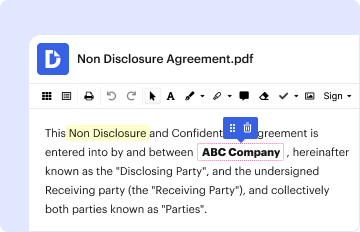
Explore the top toolbar to place document fields. Insert and configure text boxes, the signature block (if applicable), embed images, etc.

Step 6: Prepare and configure the added fields.

Organize the fillable areas you added based on your desired layout. Adjust the size, font, and alignment to make sure the form is easy to use and polished.

Step 7: Finalize and share your template.

Save the finalized copy in DocHub or in platforms like Google Drive or Dropbox, or create a new Notice and Demand Letter. Send out your form via email or utilize a public link to reach more people.


be ready to get more

Build your Notice and Demand Letter in minutes

Start creating now

Got questions?

We have answers to the most popular questions from our customers. If you can't find an answer to your question, please contact us.
Contact us
You can send a demand letter without a lawyer. If you currently have a dispute against a person or company, consider sending a demand letter as a way to resolve the issue outside of court. A demand letter is a letter outlining a set of requests you would like the other person or company to fulfill.
A demand notice is typically used when a debtor has not paid a debt in a timely manner and the creditor wishes to formally demand payment. It serves as a clear and direct communication between the creditor and debtor, outlining the terms of the debt and the consequences of not paying.
What to include in a Demand Letter: Date and the recipients contact information. Legal phrase WITHOUT PREJUDICE to protect you from the contents of the letter being used against you later in court. Summary of the agreement and the problem or issue. Demand for a specific relief or payment.
Before you draft your own demand letter and fire it off thinking your actions will result in getting paid, getting the services you contracted for, demanding the satisfaction that you were expecting, consider that writing your own demand letter can backfire badly!
Demand letters show the owner that youre serious about getting paid. Sending a demand letter prior to litigation is a sign of good faith in the eyes of the law. In court, the language in your demand letter can support your case. Successful demand letters docHubly reduce the cost of getting paid.
be ready to get more

Build your Notice and Demand Letter in minutes

Start creating now

Related Q&A to Notice and Demand Letter

The purpose of a demand letter is to begin legal negotiation between the two parties in an effort to resolve the dispute. Demand letters are often the precursor to filing a lawsuit. If you ever receive a demand letter, it should not be ignored.
Notice and demand letters are normally printed automatically upon assessment and sent to the taxpayer the same day except when the assessment is made prior to the payment due date. Section 6303(b) provides that the IRS may not issue a notice that demands payment prior to the payment due date.

Additional resources on building your forms


