

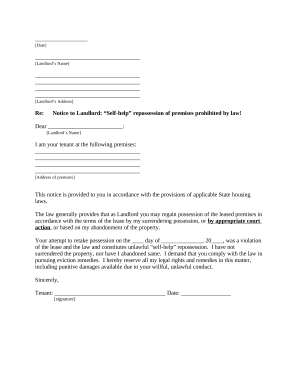
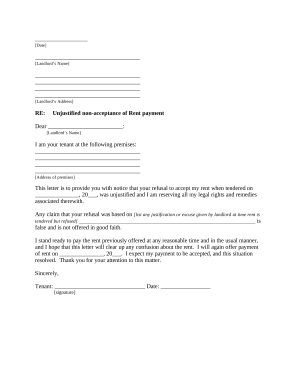
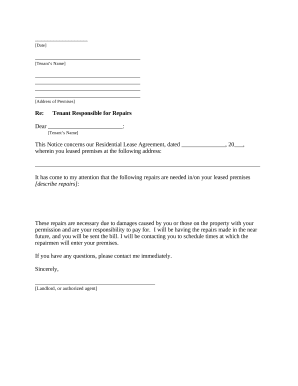
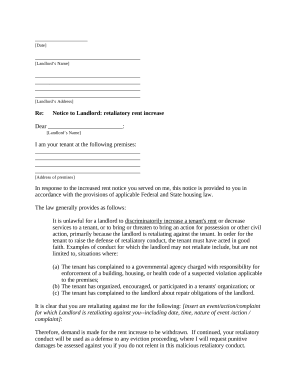
Get and handle Nevada Housing Laws online

Improve your form managing using our Nevada Housing Laws category with ready-made document templates that suit your requirements. Get your form template, alter it, complete it, and share it with your contributors without breaking a sweat. Start working more efficiently with the forms.

The best way to manage our Nevada Housing Laws:

  1. Open our Nevada Housing Laws and find the form you want.
  2. Preview your document to ensure it’s what you want, and click Get Form to start working on it.
  3. Alter, add new text, or highlight important information with DocHub tools.
  4. Fill out your form and preserve the modifications.
  5. Download or share your document template with other people.

Discover all the possibilities for your online document management with our Nevada Housing Laws. Get a free free DocHub profile right now!


Video Guide on Nevada Housing Laws management

video background

Commonly Asked Questions about Nevada Housing Laws

Charges for Carpet, Painting, etc. In Nevada, landlords are allowed to deduct from the security deposit for any damages beyond normal wear and tear. However, they cannot charge for regular maintenance and upkeep that is expected over time.
In 2024, changes to rental laws may include adjustments to rent control policies, notice periods for rent increases, or revisions to tenant rights and eviction processes. Landlords and tenants should review the most current regulations to ensure compliance.
Your landlord must give you 60 days written notice before increasing rent on month-to-month tenancies. Late fees cant be more than 5% of your periodic rent. Your security deposit cant be more than three times your rent.
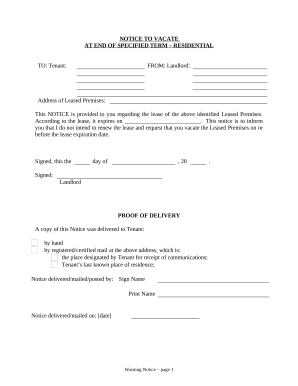
Nevada law requires a thirty-day notice to the tenant (or a seven-day notice if the tenant pays rent weekly), followed by a second five-day Notice to Quit for Unlawful Detainer (after the first notice period has elapsed) instructing the tenant to leave because tenants presence is now unlawful.
The rent increase can be any amount because Nevada rent control laws do not limit the amount of rent landlords can charge, nor do they require any specific reason to be given for rent increases. This means any time the landlord feels that a change in the rental property market warrants increasing rent, they can do so.
The Federal Fair Housing Act makes it illegal to discriminate in housing-related transactions due to race, color, religion, national origin, sex, family status or disability. Further, Nevada law also prohibits discrimination against ancestry, sexual orientation and gender identity or expression.
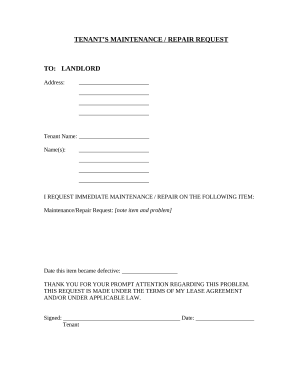
290 and NRS 118B. 090), a landlord must maintain your house, apartment, unit, or mobile home in a habitable condition. A dwelling is not habitable if it violates provisions for codes concerning the health, safety, and sanitation of the dwelling or if it lacks the basics needed for habitation.
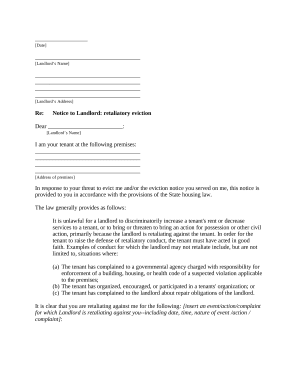
Keep in mind that Nevada tenants can exercise their housing rights at any point of the lease, and the landlord may not send a notice of eviction or terminate the lease abruptly in retaliation.
