
Enhance your document managing with Money Management
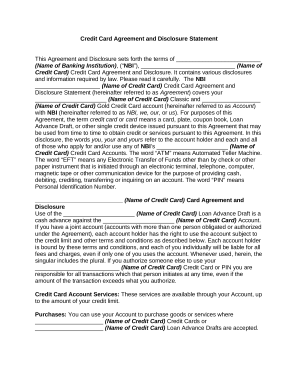
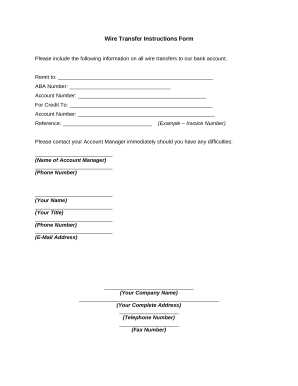
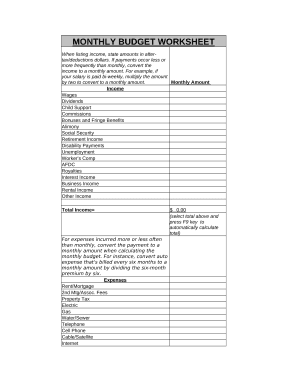
Your workflows always benefit when you can easily discover all the forms and documents you require on hand. DocHub offers a a huge library of templates to relieve your daily pains. Get hold of Money Management category and quickly browse for your form.
Begin working with Money Management in a few clicks:
- Browse Money Management and find the form you need.
- Click on Get Form to open it in our editor.
- Start adjusting your file: add more fillable fields, highlight paragraphs, or blackout sensitive facts.
- The application saves your adjustments automatically, and once you are all set, you are able to download or share your form with other contributors.
Enjoy seamless form managing with DocHub. Discover our Money Management collection and get your form right now!
Video Guide on Money Management management

Commonly Asked Questions about Money Management
Whats the best way to manage your money?
5 Steps to Take Control of Your Finances Take Inventoryand Set Goals. Understand Compound Interest. Pay Off Debt and Create An Emergency Fund. Set Up Your 401(k) or Individual Retirement Account (IRA) Start Building Your Investment Profile.
What is the number one rule of money management?
Rule 1: Plan Your Future. Plan for the future, major purchases, and periodic expenses. You will not arrive on financial freedom parkway without a roadmap to guide you. Practicing basic money management means having a plan.
How do millionaires manage their money?
Many millionaires keep a lot of their money in cash or highly liquid cash equivalents. They establish an emergency account before ever starting to invest. Millionaires bank differently than the rest of us. Any bank accounts they have are handled by a private banker who probably also manages their wealth.
What are the 3 basic steps in money management?
3 Basic Money Management Skills Keep track of your spending. Start saving funds now for any future financial situations. Make monthly debt payments.
What are the 3 golden rules of money management?
Money Management Advice Golden Rule #1: Dont Spend More Than You Make. Basic money management starts with this rule. Golden Rule #2: Always Plan for the Future. Get into the habit of saving money by paying yourself first. Golden Rule #3: Help Your Money Grow. Your Banker as a Source of Money Management Advice.
What is the 50/30/20 rule for managing money?
The 50-30-20 rule recommends putting 50% of your money toward needs, 30% toward wants, and 20% toward savings. The savings category also includes money you will need to realize your future goals.
What is the 50 30 20 rule?
The 50-30-20 rule involves splitting your after-tax income into three categories of spending: 50% goes to needs, 30% goes to wants, and 20% goes to savings. U.S. Sen. Elizabeth Warren popularized the 50-20-30 budget rule in her book, All Your Worth: The Ultimate Lifetime Money Plan.
What is the best way to manage my money?
These seven practical money management tips are here to help you take control of your finances. Make a budget. Track your spending. Save for retirement. Save for emergencies. Plan to pay off debt. Establish good credit habits. Monitor your credit.