
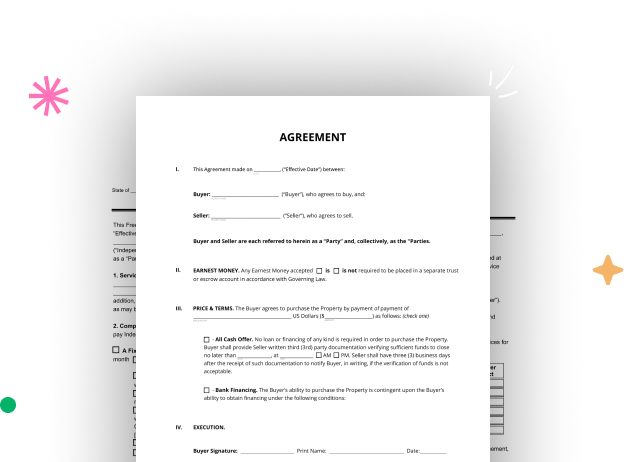
Create your Minnesota Rental Agreement from scratch

Start Building Now
Title decoration

Here's how it works

01. Start with a blank Minnesota Rental Agreement
Open the blank document in the editor, set the document view, and add extra pages if applicable.
02. Add and configure fillable fields
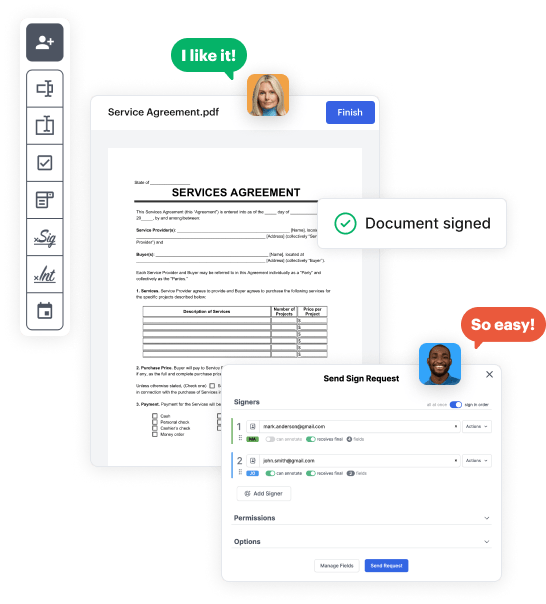
Use the top toolbar to insert fields like text and signature boxes, radio buttons, checkboxes, and more. Assign users to fields.
03. Distribute your form
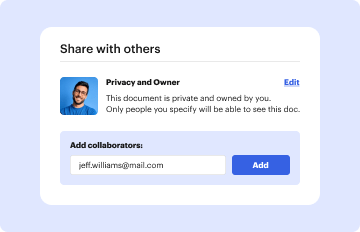
Share your Minnesota Rental Agreement in seconds via email or a link. You can also download it, export it, or print it out.

A simple guide on how to set up a polished Minnesota Rental Agreement

Form edit decoration

Step 1: Sign in to DocHub to create your Minnesota Rental Agreement.

First, sign in to your DocHub account. If you don't have one, you can easily sign up for free.

Step 2: Go to the dashboard.

Once signed in, navigate to your dashboard. This is your central hub for all document-related tasks.

Step 3: Start new document creation.

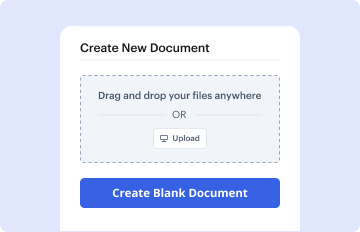
In your dashboard, select New Document in the upper left corner. Select Create Blank Document to craft the Minnesota Rental Agreement from scratch.

Step 4: Add form fillable areas.

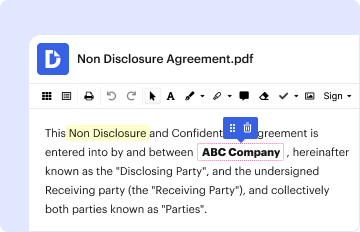
Place various items like text boxes, photos, signature fields, and other interactive areas to your form and designate these fields to particular recipients as required.

Step 5: Adjust your form.

Refine your template by including walkthroughs or any other essential tips utilizing the text feature.

Step 6: Go over and adjust the document.

Carefully review your created Minnesota Rental Agreement for any mistakes or necessary adjustments. Utilize DocHub's editing tools to polish your form.

Step 7: Distribute or export the form.

After finalizing, save your copy. You can choose to retain it within DocHub, export it to various storage platforms, or send it via a link or email.


be ready to get more

Build your Minnesota Rental Agreement in minutes

Start creating now

Got questions?

We have answers to the most popular questions from our customers. If you can't find an answer to your question, please contact us.
Contact us
Steps to Add a Tenant to an Existing Lease Acquire a Written Request to Add a Tenant. Check the Units Occupancy Limit. Require a Completed Rental Application. Screen and Approve/Deny the New Tenant. Review the Details With Each Tenant.
Landlord harassment typically involves actions taken by a landlord or property owner to make a tenants living conditions unbearable or to force them to move out. This can include demanding money without notice, refusing to discuss bills, or attempting to change locks without proper eviction procedures.
Yes, a Short-Term Rental Agreement is a legally binding contract between the property owner (or property manager) and the renter. It outlines the terms and conditions of the rental arrangement and is enforceable in court if either party fails to fulfill their obligations.
Changing the tenancy agreement A tenancy agreement can normally only be changed if both you and your landlord agree. If you both agree, the change should be recorded in writing, either by drawing up a new written document setting out the terms of the tenancy or by amending the existing written tenancy agreement.
Effective January 1, 2024, landlords cannot file an eviction action in court for non-payment of rent unless they first give the tenant a detailed written notice of an intention to file 14 days before filing. [Minn. Stat. 50B.
be ready to get more

Build your Minnesota Rental Agreement in minutes

Start creating now

Related Q&A to Minnesota Rental Agreement

If there is no provision in the lease stating how much advance notice must be given to end the tenancy, the law says that written notice must be received by the other party at least one full rental period before the last day of the tenancy. In other words, the day before the last rent payment is due. [Minn. Stat.
Landlords cannot forcibly remove tenants by changing the locks, turning off utilities, or any other action that would force the tenant to leave. In order to evict a tenant, a landlord must first bring an Eviction Action, or what used to be called an Unlawful Detainer action, against the tenant.
Your landlord may not end your lease, raise your rent, or cut your services without proper written notice. Your landlord may not evict you or retaliate against you (get back at you) for complaining or standing up for your rights as a tenant. In Minneapolis and many other cities, a landlord has to have a rental license.


