

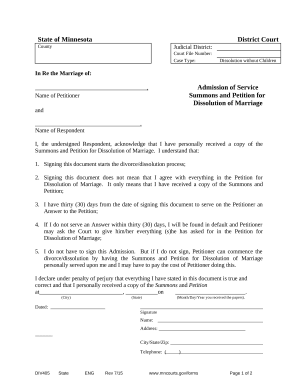
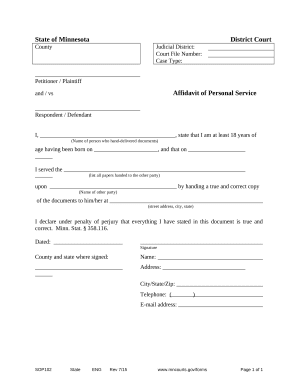
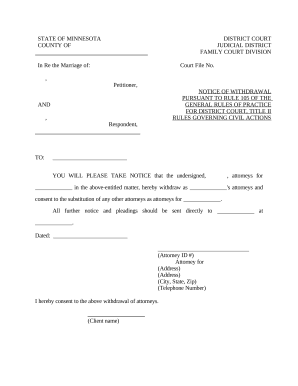

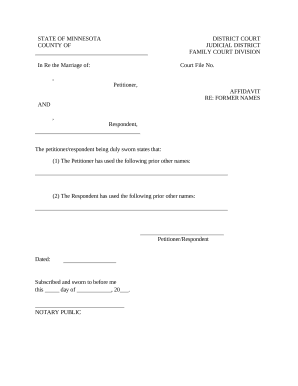
Handle Minnesota Family Law Documents quickly online

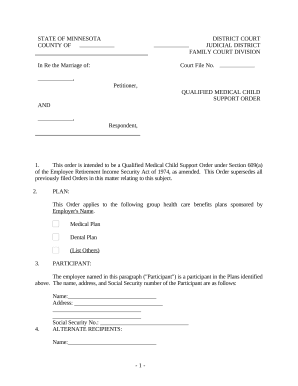
Document administration can overpower you when you can’t locate all the forms you require. Fortunately, with DocHub's considerable form collection, you can discover everything you need and easily handle it without the need of switching between programs. Get our Minnesota Family Law Documents and start utilizing them.

Using our Minnesota Family Law Documents using these basic steps:

  1. Check Minnesota Family Law Documents and choose the form you require.
  2. Preview the template and then click Get Form.
  3. Wait for it to open in our online editor.
  4. Edit your document: add new information and images, and fillable fields or blackout some parts if needed.
  5. Prepare your document, save changes, and prepare it for delivering.
  6. When ready, download your form or share it with your contributors.

Try out DocHub and browse our Minnesota Family Law Documents category without trouble. Get a free account right now!


Video Guide on Minnesota Family Law Documents management

video background

Commonly Asked Questions about Minnesota Family Law Documents

Fill out the Notice of Motion and Motion for Change of Custody form. This form tells the court and the other party that you wish to change custody of the children and the date and time of the hearing.
Emergency ex parte actions involve one party asking the court for a hearing and/or order without first giving notice to the other parties in the case about their request.
A motion to quash is most commonly filed at the beginning of a trial, or an appeal as a pretrial motion. It may be considered as somewhat similar to a motion to dismiss. However, a motion to quash asks the court to nullify a previous court ruling, whereas a motion to dismiss requests the same of a current filing.
For example, a party that receives improper service of process may file a motion to quash. In the context of a court hearing an appeal, depending on the rules of the court, a motion to quash the appeal may be made on the basis that the court has no jurisdiction.
A motion to quash a warrant is a request for the court to effectively get rid of the warrant and set a court date. The court may refer quashing the warrant as recalling the warrant.
Quashing a warrant means it becomes canceled. If a defendant believes the warrant contained an error, or that they had a sufficient excuse for committing the act that caused the warrant to be issued in the first place, they or their attorney may file a Petition or Motion to Quash the warrant with the court.
There is only one way to deal with a warrant and that is to turn yourself in and appear before the judge so that he can vacate the warrant and go forward with your case. A warrant never expires and if the prosecutor is still able to get his witnesses together, even after 10 years, he is still entitled to prosecute you.
