

Create your Married Couple Will from scratch

Start Building Now
Title decoration

Here's how it works

01. Start with a blank Married Couple Will
Open the blank document in the editor, set the document view, and add extra pages if applicable.
02. Add and configure fillable fields
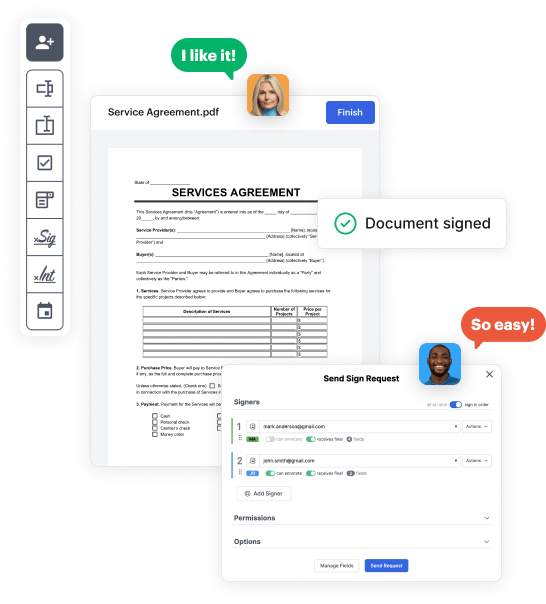
Use the top toolbar to insert fields like text and signature boxes, radio buttons, checkboxes, and more. Assign users to fields.
03. Distribute your form
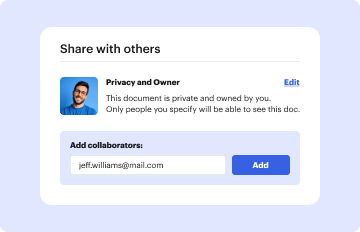
Share your Married Couple Will in seconds via email or a link. You can also download it, export it, or print it out.

Create Married Couple Will from scratch by following these comprehensive guidelines

Form edit decoration

Step 1: Open DocHub and get going.

Begin by setting up a free DocHub account using any available sign-up method. Just log in if you already have one.

Step 2: Sign up for a free 30-day trial.

Try out the whole suite of DocHub's pro features by signing up for a free 30-day trial of the Pro plan and proceed to craft your Married Couple Will.

Step 3: Add a new blank document.

In your dashboard, click the New Document button > scroll down and hit Create Blank Document. You will be taken to the editor.

Step 4: Arrange the view of the document.

Utilize the Page Controls icon marked by the arrow to switch between two page views and layouts for more flexibility.

Step 5: Start inserting fields to design the dynamic Married Couple Will.

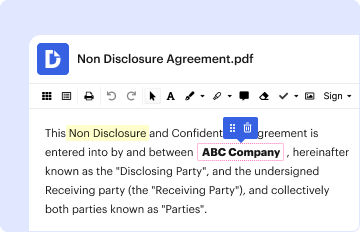
Use the top toolbar to add document fields. Add and format text boxes, the signature block (if applicable), embed images, etc.

Step 6: Prepare and configure the incorporated fields.

Arrange the fillable areas you incorporated based on your preferred layout. Personalize each field's size, font, and alignment to make sure the form is straightforward and neat-looking.

Step 7: Finalize and share your document.

Save the ready-to-go copy in DocHub or in platforms like Google Drive or Dropbox, or create a new Married Couple Will. Distribute your form via email or use a public link to reach more people.


be ready to get more

Build your Married Couple Will in minutes

Start creating now

Got questions?

We have answers to the most popular questions from our customers. If you can't find an answer to your question, please contact us.
Contact us
Some couples think that they can have one joint will together, but this is not a sound approach. Spouses need separate wills. Even if the majority of the information in your wills is nearly identical, you still need to each have your own.
There are better ways for you and your spouse to bequeath your property, such as by making mirror wills, separate wills with different provisions, trusts, or separate wills with a trust.
A popular option for many married couples or life partners is to make mirror wills. These are almost identical wills where both partners leave their estate to the other. You also name the same people and organizations as your secondary beneficiaries.
It is important that the newly married couple understand each other, know each other and then plan their family. The couple should first become economically stable and then have a child. They should discuss various family planning options like condoms, birth control pills, etc.
A mirror will is the easiest legal form you can use to transfer all of the plans you created in your own will into a similar will for your spouse, while also avoiding several legal headaches that can come up with older legal forms.
be ready to get more

Build your Married Couple Will in minutes

Start creating now

Related Q&A to Married Couple Will

No matter if its a first marriage, or youre getting re-married. Some couples think that they can have one joint will together, but this is not a sound approach. Spouses need separate wills. Even if the majority of the information in your wills is nearly identical, you still need to each have your own.
Similar to a Joint Will, a Mirror Will is near-identical for each person involved. This is often the preferred choice for married couples because it offers more flexibility in altering the will, but ensures that distributions are left to the same beneficiaries in similar proportions, such as children, says Stone.

Additional resources on building your forms