
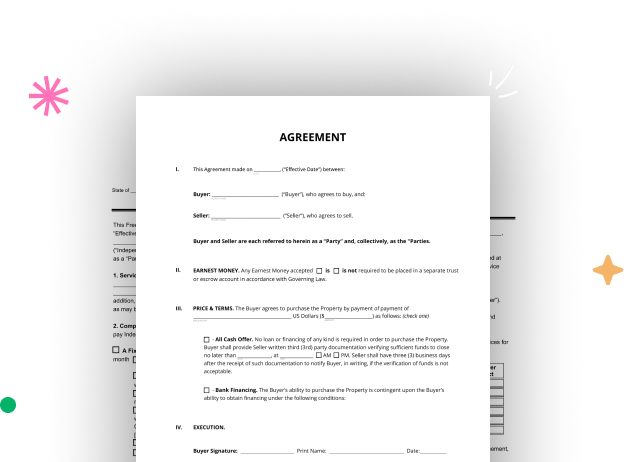

Create your Commercial Property Rental Contract from scratch

Start Building Now
Title decoration

Here's how it works

01. Start with a blank Commercial Property Rental Contract
Open the blank document in the editor, set the document view, and add extra pages if applicable.
02. Add and configure fillable fields
Use the top toolbar to insert fields like text and signature boxes, radio buttons, checkboxes, and more. Assign users to fields.
03. Distribute your form
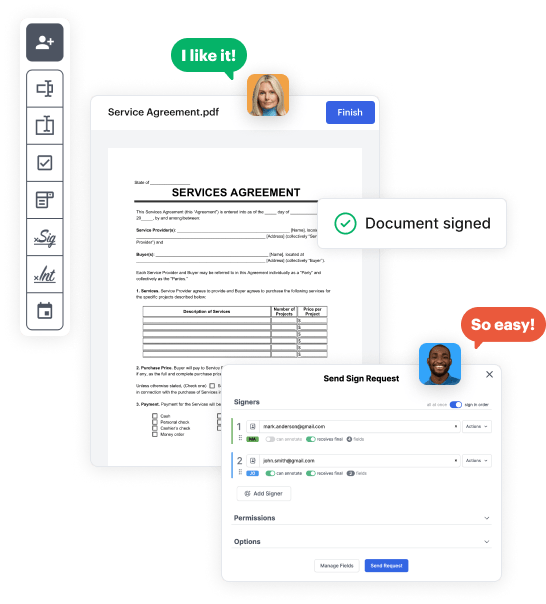
Share your Commercial Property Rental Contract in seconds via email or a link. You can also download it, export it, or print it out.

Build Commercial Property Rental Contract from the ground up by following these detailed instructions

Form edit decoration

Step 1: Start off by launching DocHub.

Start by signing up for a free DocHub account using any available sign-up method. Just log in if you already have one.

Step 2: Register for a free 30-day trial.

Try out the complete suite of DocHub's pro tools by registering for a free 30-day trial of the Pro plan and proceed to craft your Commercial Property Rental Contract.

Step 3: Start with a new empty form.

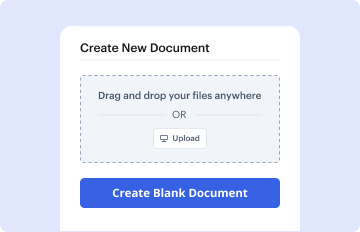
In your dashboard, choose the New Document button > scroll down and choose to Create Blank Document. You will be taken to the editor.

Step 4: Organize the document’s layout.

Utilize the Page Controls icon indicated by the arrow to toggle between two page views and layouts for more convenience.

Step 5: Begin by adding fields to design the dynamic Commercial Property Rental Contract.

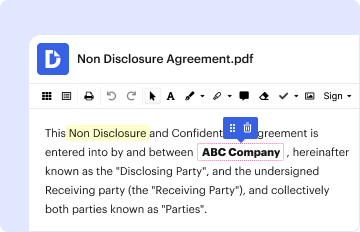
Explore the top toolbar to add document fields. Insert and format text boxes, the signature block (if applicable), insert images, etc.

Step 6: Prepare and configure the incorporated fields.

Configure the fields you incorporated per your chosen layout. Personalize each field's size, font, and alignment to ensure the form is user-friendly and professional.

Step 7: Finalize and share your document.

Save the ready-to-go copy in DocHub or in platforms like Google Drive or Dropbox, or create a new Commercial Property Rental Contract. Share your form via email or get a public link to engage with more people.


be ready to get more

Build your Commercial Property Rental Contract in minutes

Start creating now

Got questions?

We have answers to the most popular questions from our customers. If you can't find an answer to your question, please contact us.
Contact us
A commercial lease termination letter typically includes the following information: Date of planned property vacancy. Date of key surrender. Request for inspection. New business address. Contact information for a business representative. Reasoning behind the early termination.
Dear (Landlord name), My name is (Your name), and Im writing to you to express my interest in the home at (address or property name). I would love to live in this place because (reasons you want to rent the property). I currently am a tenant at (current address) but am ready to move because (reason for moving).
The letter of intent should include the following six things: A Statement Declaring Your Interest in Leasing the Space. A Description of Your Company. An Outline of On-Site Employees, Equipment, and Machinery. Your Business Hours. An Overview of Your Current Space. Contact Details.
Assignments of Business Leases It is open to a landlord to request a guarantor or a rent deposit if the incoming tenant is of poor covenant strength. Once the landlords consent has been obtained, the tenant and assignee can enter into a deed of assignment to transfer the lease to the assignee.
Commercial leases are typically three to five years. That guarantees enough rental income for the landlords to recoup their investment. Leases are often negotiable, but for a commercial lease, landlords frequently allow customization of the space for the sake of the renting business.
be ready to get more

Build your Commercial Property Rental Contract in minutes

Start creating now

Related Q&A to Commercial Property Rental Contract

A letter of intent sits at the intersection of intention and commitment in many real estate transactions. This document may set forth the broad strokes or even some details of a proposed transaction, and by signing it, both parties express their intention to move forward.
In commercial real estate, a Letter of Intent is a preliminary agreement that is negotiated between a tenant and landlord or buyer and seller. The LOI or Letter of Intent states the primary economics and deal points with proposed terms.
The amount depends on the length of the lease, the location, and the broker. The percentage usually varies over the course of the lease (e.g. for a five-year lease, the broker could be paid 5% of the first years base rent, and 4% for the second through fifth years).

Additional resources on building your forms


