Improve your file managing with Malicious Prosecution Forms

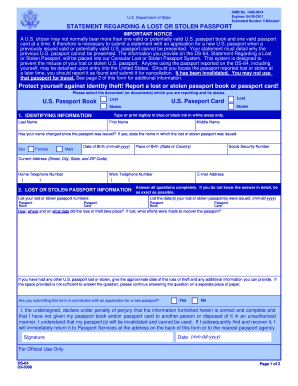
Your workflows always benefit when you are able to get all the forms and documents you will need on hand. DocHub provides a a huge library of forms to alleviate your daily pains. Get hold of Malicious Prosecution Forms category and easily discover your document.

Start working with Malicious Prosecution Forms in a few clicks:

  1. Access Malicious Prosecution Forms and discover the document you need.
  2. Click on Get Form to open it in our editor.
  3. Start editing your form: add more fillable fields, highlight paragraphs, or blackout sensitive information and facts.
  4. The application saves your changes automatically, and once you are all set, you can download or distribute your form with other contributors.

Enjoy effortless document administration with DocHub. Check out our Malicious Prosecution Forms collection and find your form right now!


Video Guide on Malicious Prosecution Forms management

video background

Commonly Asked Questions about Malicious Prosecution Forms

are as follows: a) The prosecution ought to have been instigated by the defendant or by someone for whose acts he is responsible. b) That the matter was finalized or the prosecution terminated in the plaintiffs favour. c) That the prosecution was instituted without reasonable and probable cause. Malicious Prosecution - Muma Kanjama Advocates mumakanjama.com malicious-prosecution mumakanjama.com malicious-prosecution
malicious prosecution The defendant was actively involved in bringing or continuing the lawsuit; The lawsuit ended in the plaintiffs favor; No reasonable person in the defendants circumstances would have believed that there were reasonable grounds to bring the lawsuit against the plaintiff; malicious prosecution | Wex | US Law | LII / Legal Information Institute cornell.edu wex maliciousprosecuti cornell.edu wex maliciousprosecuti
Typically, the elements of a malicious prosecution case are if an individual initiated or continued a proceeding without a probable cause to believe it could be successful with malice and that the prosecution was resolved in the persons favor. It starts actually at the arraignment.
Final answer: Another term for malicious prosecution is false imprisonment.
Examples of malicious prosecution may be: An unscrupulous prosecutor filing false charges against a political rival. A corporation filing a frivolous lawsuit against a small business in order to take out the competition. Malicious Prosecution - FindLaw findlaw.com torts-and-personal-injuries findlaw.com torts-and-personal-injuries
A malicious prosecution occurs when a police officer or other government official causes criminal charges to be filed against a person when the official knows probable cause is lacking and the charges are filed because of personal animosity, bias, or some other reason outside the interests of justice. Malicious Prosecution - Westlaw westlaw.com Browse Home Un westlaw.com Browse Home Un
Malicious prosecution occurs when someone sues you or brings criminal charges against you without probable cause and with harmful intent. Examples could include someone providing false evidence to the police that you committed a crime or someone suing you for hurting them even if you never caused them harm.
To prevail in a suit alleging malicious prosecution of a civil claim, the plaintiff must establish: (1) the institution or continuation of civil proceedings against the plaintiff; (2) by or at the insistence of the defendant; (3) malice in the commencement of the proceeding; (4) lack of probable cause for the
that the defendant acted primarily for a purpose other than succeeding on the merits of the claim; that the underlying case harmed the plaintiff; and. that the defendants conduct was a substantial factor in causing the plaintiffs harm.
An action for malicious prosecution has three required elements: (1) the defendant brought (or continued to pursue) a claim in the underlying action without objective probable cause, (2) the claim was pursued by the defendant with subjective malice, and (3) the underlying action was ultimately resolved in the