
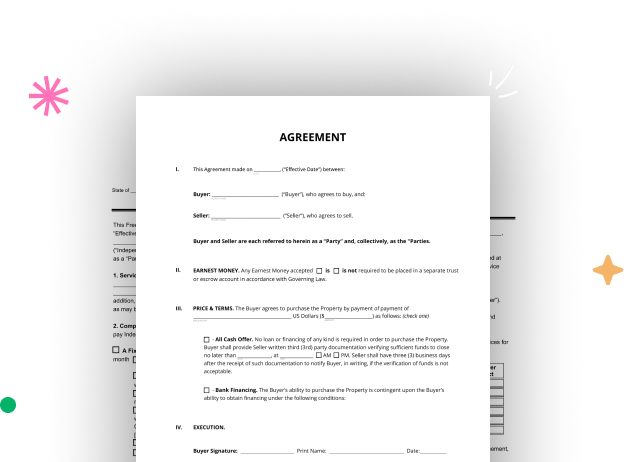

Create your Maine Landlord Tenant Law from scratch

Start Building Now
Title decoration

Here's how it works

01. Start with a blank Maine Landlord Tenant Law
Open the blank document in the editor, set the document view, and add extra pages if applicable.
02. Add and configure fillable fields
Use the top toolbar to insert fields like text and signature boxes, radio buttons, checkboxes, and more. Assign users to fields.
03. Distribute your form
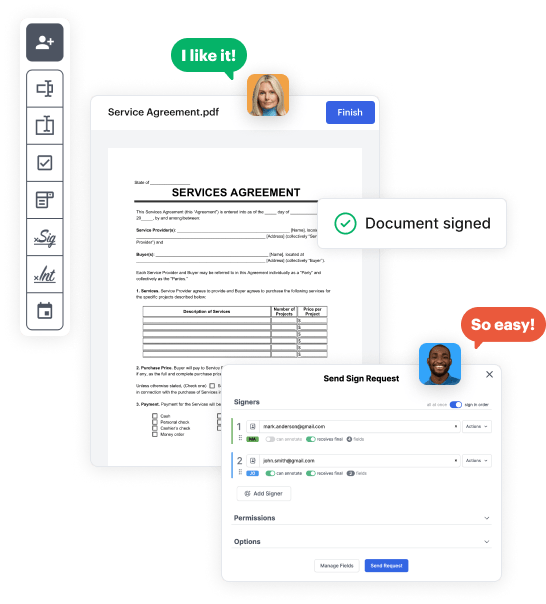
Share your Maine Landlord Tenant Law in seconds via email or a link. You can also download it, export it, or print it out.

A detailed guide on how to design your Maine Landlord Tenant Law online

Form edit decoration

Step 1: Start with DocHub's free trial.

Navigate to the DocHub website and sign up for the free trial. This gives you access to every feature you’ll need to build your Maine Landlord Tenant Law with no upfront cost.

Step 2: Navigate to your dashboard.

Log in to your DocHub account and proceed to the dashboard.

Step 3: Initiate a new document.

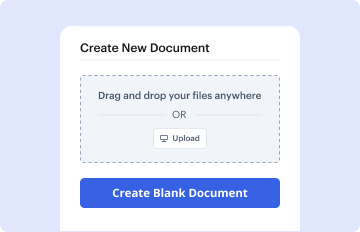
Hit New Document in your dashboard, and choose Create Blank Document to craft your Maine Landlord Tenant Law from scratch.

Step 4: Use editing tools.

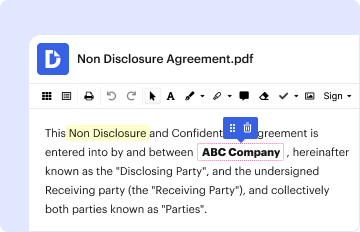
Add various fields such as text boxes, radio buttons, icons, signatures, etc. Arrange these fields to suit the layout of your form and designate them to recipients if needed.

Step 5: Modify the form layout.

Organize your form easily by adding, moving, removing, or merging pages with just a few clicks.

Step 6: Craft the Maine Landlord Tenant Law template.

Convert your newly crafted form into a template if you need to send multiple copies of the same document multiple times.

Step 7: Save, export, or distribute the form.

Send the form via email, distribute a public link, or even post it online if you want to collect responses from a broader audience.


be ready to get more

Build your Maine Landlord Tenant Law in minutes

Start creating now

Got questions?

We have answers to the most popular questions from our customers. If you can't find an answer to your question, please contact us.
Contact us
New Law: The new law maintains a 45-day notice requirement. However, a docHub change applies state wide. In the state of Maine, if a landlord plans to raise a tenants rent by 10% or more, they must now provide at least 75 days written notice.
An unmentioned roommate is not a legal impossibility; its just an unspoken one. So long as the person doesnt intrude on your lease rights, theres nothing stopping you from having a guest (or several) as a roommate without being on the lease.
In general, things to include in a lease addendum might be: Your name. The rental property address. The tenants name. Relevant policy/information (that complies with your state/municipals rental laws) Consequences for breaking any contract agreements. Space to sign date for landlord. Space to sign date for tenant.
Importantly, the letter highlights the potential roommates ability to pay rent (mentioning his employment), vouches for him personally (noting how long the current tenant has known him), and offers to provide the landlord further helpful information (such as his credit report and references).
Steps to Add a Tenant to an Existing Lease Acquire a Written Request to Add a Tenant. Check the Units Occupancy Limit. Require a Completed Rental Application. Screen and Approve/Deny the New Tenant. Review the Details With Each Tenant.
be ready to get more

Build your Maine Landlord Tenant Law in minutes

Start creating now

Related Q&A to Maine Landlord Tenant Law

All residential rental properties are required to license their rental property annually by December 31 of every year for the next successive year.
If you are a tenant at will (no lease): Your landlord must give you either a 30-day or 7-day written notice to leave, or they can combine both of these into one notice. Any notice must advise you of your right to contest the eviction in court. This is called a Notice to Quit.
Yes, a lease addendum can be used to add a tenant to an existing lease agreement. The addendum should be in writing and should be signed by all parties involved, including the original tenants and the new tenant.

Additional resources on building your forms


