Handle Legal Notices for Landlord and Tenant quickly online

Document management can overpower you when you can’t discover all of the forms you need. Luckily, with DocHub's vast form categories, you can find all you need and swiftly manage it without the need of switching between applications. Get our Legal Notices for Landlord and Tenant and begin working with them.

Using our Legal Notices for Landlord and Tenant using these basic steps:

  1. Check Legal Notices for Landlord and Tenant and select the form you need.
  2. Preview the template and click on Get Form.
  3. Wait for it to open in the online editor.
  4. Change your form: include new information and pictures, and fillable fields or blackout some parts if needed.
  5. Fill out your form, preserve changes, and prepare it for delivering.
  6. When you are ready, download your form or share it with your contributors.

Try out DocHub and browse our Legal Notices for Landlord and Tenant category easily. Get a free profile right now!


Video Guide on Legal Notices for Landlord and Tenant management

video background

Commonly Asked Questions about Legal Notices for Landlord and Tenant

In New York 5 Page 9 City, 30 days notice is required, rather than one month. Landlords do not need to explain why the tenancy is being terminated, they only need to provide notice that it is, and that refusal to vacate will lead to eviction proceedings.
In New York State, an eviction of a tenant is lawful only if an owner has brought a court proceeding and obtained a judgment of possession from the court. A sheriff, marshal or constable can carry out a court ordered eviction. An owner may not evict a tenant by use of force or unlawful means.
New York state anti-harassment laws make it illegal for landlords to engage in any action that is intended to force tenants to leave their homes or otherwise give up their rights under law.
Before they can raise your rent (by 5% or more), the landlord must give you: 90 days notice if you have lived in your apartment two years or more. 60 days notice if you have lived in your apartment for more than one year. 30 days notice if you have lived in your apartment for less than one year.
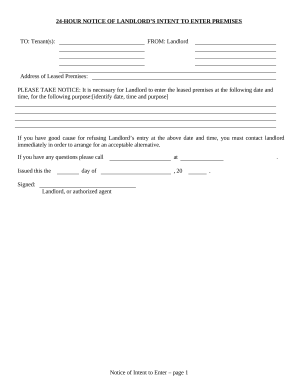
Tenants have the right to privacy in their rented homes and can refuse entry to landlords who do not provide proper notice or have an illegitimate reason for entry. If this right is violated, tenants can take legal action to prevent continued violations and potentially seek damages.
If you have been living in your home for over a year, your landlord must give at least 60 days notice. If you have been living in your home for more than 2 years, your landlord must give at least 90 days notice. rent as a security deposit. When you move out, they must return the security deposit within 14 days.
While it is not required, it is recommended to include the rent amount, rent due date, and lease length, along with other information in the lease agreement. To break a lease or change its terms, such as increasing rent, a landlord must provide a 60-day written notice for leases of a year but less than two.
30-DAY, 60-DAY AND 90-DAY NOTICES TO MOVE If you are not behind in your rent but the landlord wants you to move out, they must give you a written notice. Only a 30-day notice is required if all tenants have lived there less than a year. A 60-day notice is required if all tenants have lived there a year or longer.