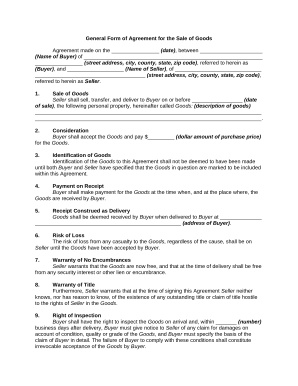
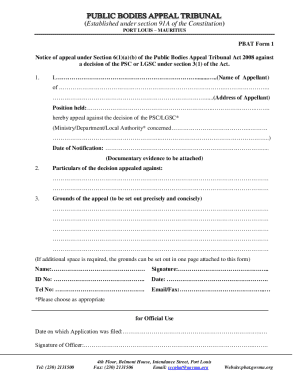
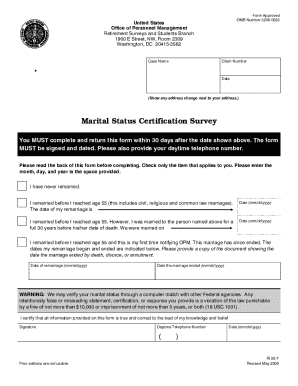
Increase your productiveness with Legal Forms for Business Transactions

Document management occupies to half of your business hours. With DocHub, you can reclaim your office time and boost your team's efficiency. Access Legal Forms for Business Transactions online library and investigate all templates related to your everyday workflows.

Easily use Legal Forms for Business Transactions:

  1. Open Legal Forms for Business Transactions and employ Preview to obtain the suitable form.
  2. Click on Get Form to begin working on it.
  3. Wait for your form to open in our online editor and begin modifying it.
  4. Add new fillable fields, icons, and pictures, modify pages, and many more.
  5. Fill your document or set it for other contributors.
  6. Download or deliver the form by link, email attachment, or invite.

Accelerate your everyday document management using our Legal Forms for Business Transactions. Get your free DocHub account today to discover all templates.


Commonly Asked Questions about Legal Forms for Business Transactions

The most common forms of business are the sole proprietorship, partnership, corporation, and S corporation. A limited liability company (LLC) is a business structure allowed by state statute.
A quick definition of business form: A business form is a type of document that is used for record-keeping and other business purposes. It is usually blank and needs to be filled in with information before it can convey any meaning. Blank forms are not protected by copyright law.
The 3 Most Common Business Structures Sole Proprietorship. In a sole proprietorship, youre the sole owner of the business. Partnership. A partnership is a non-incorporated business created between two or more people. Corporation. A corporation is a legal entity separate from its shareholders.
The three major forms of business in the United States are sole proprietorships, partnerships, and corporations. Each form has implications for how individuals are taxed and resources are managed and deployed.
Liability Protection: Corporate law determines the extent of personal liability protection for business owners. For instance, corporations and LLCs typically offer more protection than sole proprietorships. Regulatory Compliance: Each business structure comes with its own set of legal and regulatory requirements.
When youre starting a new business, youll need to decide how it will be structured. There are three common types of businessessole proprietorship, partnership, and corporationand each comes with its own set of advantages and disadvantages.