
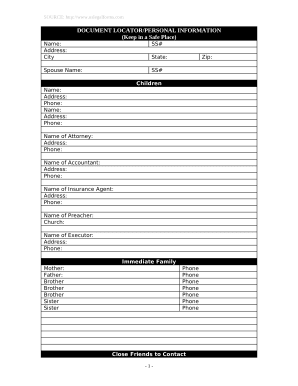
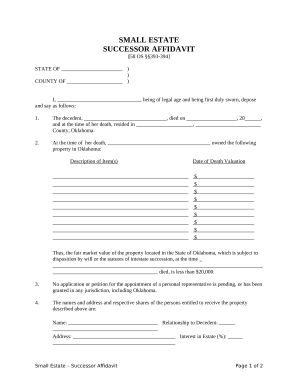
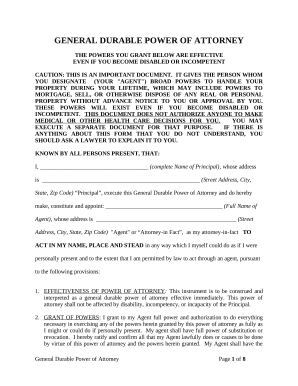
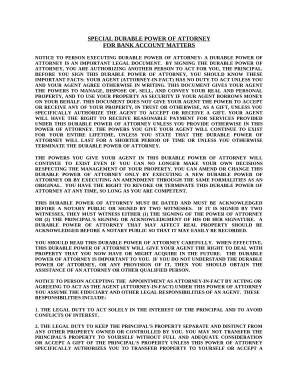
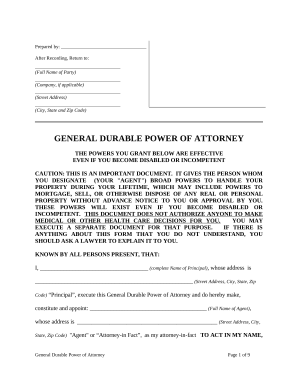
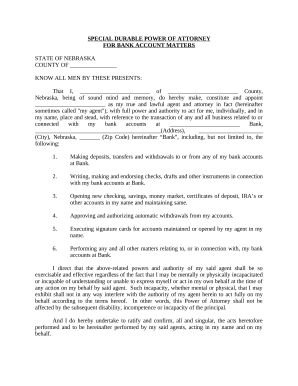
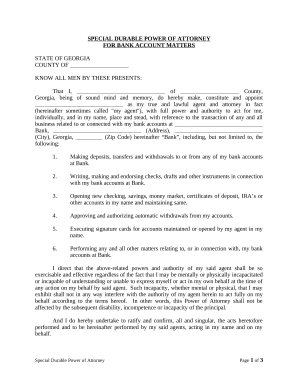
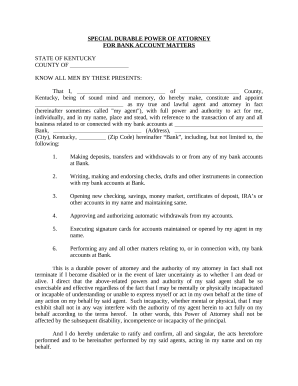
Transform your file management with Legal Forms for Asset Management

Your workflows always benefit when you can easily find all the forms and documents you will need on hand. DocHub offers a vast array of templates to ease your daily pains. Get a hold of Legal Forms for Asset Management category and quickly find your form.

Start working with Legal Forms for Asset Management in a few clicks:

  1. Open Legal Forms for Asset Management and get the document you need.
  2. Click Get Form to open it in our editor.
  3. Begin modifying your document: add more fillable fields, highlight paragraphs, or blackout sensitive details.
  4. The application saves your adjustments automatically, and after you are ready, you are able to download or share your form with other contributors.

Enjoy smooth file managing with DocHub. Check out our Legal Forms for Asset Management online library and locate your form right now!


Video Guide on Legal Forms for Asset Management management

video background

Commonly Asked Questions about Legal Forms for Asset Management

Key Skills Required for Asset Management Some of the key skills required for a successful career in asset management include: Strong financial modeling and writing skills. Strong knowledge of financial markets, asset classes and risk. Ability to assess an investments potential for return.
There are 3 key documents in any asset management program: Asset Management Policy. Strategic Asset Management Plan. Asset Management Plan.
Answer and Explanation: A trust. A trust is a legal agreement that ensures the management and control of specified assets in ance with the wishes of one party (the trustor) on behalf of another party (the beneficiary).
Most asset management positions require candidates to hold a degree in finance, economics, business or a related field. Pursuing a degree can also be a great way to grow your network and develop valuable skills that can help you in your eventual role.
Asset management plan contents Scope. Levels of service. Physical description and classification of organisational assets. Asset management practices. Asset lifecycle costing and evaluation. Links to any related strategies, policies and plans. Asset management monitoring, measures and targets.
This could include information such as asset owner, age, estimate of remaining life etc. This is important to understand what state the assets are currently in. A short narrative explaining the near-term actions required to bridge the gap between where we are, and where we want to be.
Asset management templates act as an outline for how you manage your assets. For example, you can create an asset management template that acts as a step-by-step guide for how to take inventory, track, and maintain your assets. This helps you establish a routine that anyone can follow.
