

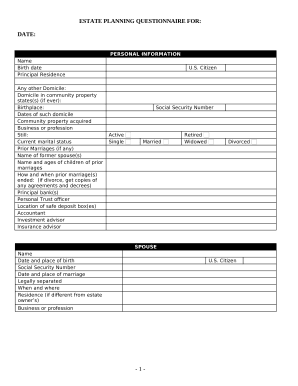
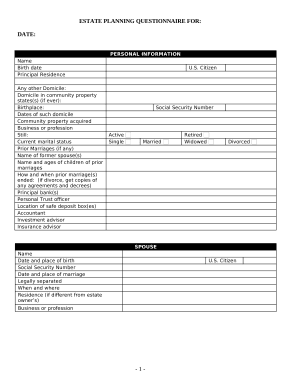
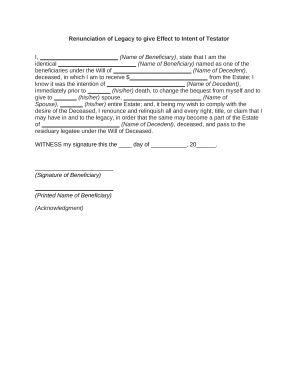
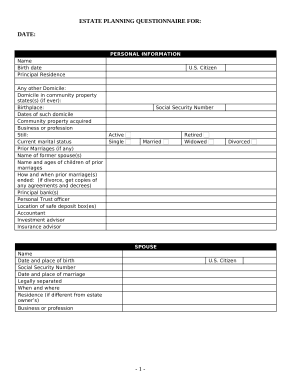
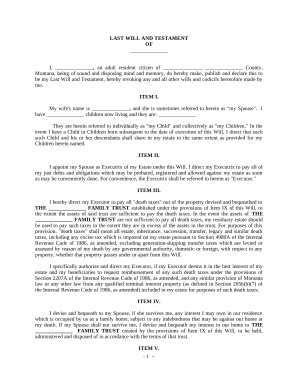
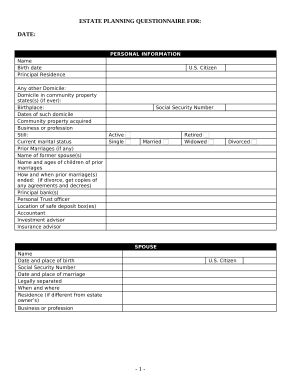
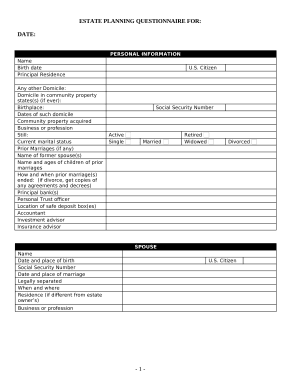
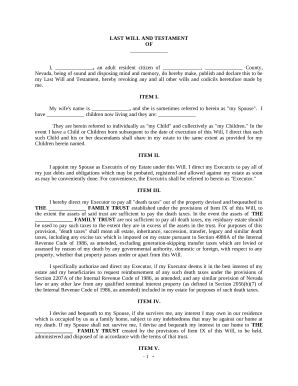
Enhance your file management with Legal Estate Planning

Your workflows always benefit when you can easily obtain all of the forms and files you may need at your fingertips. DocHub provides a wide array of document templates to ease your everyday pains. Get hold of Legal Estate Planning category and quickly find your form.

Start working with Legal Estate Planning in a few clicks:

  1. Gain access to Legal Estate Planning and get the document you require.
  2. Click Get Form to open it in the editor.
  3. Begin modifying your file: add more fillable fields, highlight sentences, or blackout sensitive information and facts.
  4. The application saves your changes automatically, and once you are ready, you are able to download or share your form with other contributors.

Enjoy easy form administration with DocHub. Explore our Legal Estate Planning category and get your form today!


Commonly Asked Questions about Legal Estate Planning

Get a head-start on planning and follow these 7 easy steps: Take Inventory of Your Estate. First, narrow down what belongs to you. Set a Will in Place. Form a Trust. Consider Your Healthcare Options. Opt for Life Insurance. Store All Important Documents in One Place. Hire an Attorney from Angermeier Rogers.
Estate planning is the process by which an individual or family arranges the transfer of assets in anticipation of death. An estate plan aims to preserve the maximum amount of wealth possible for the intended beneficiaries and flexibility for the individual prior to death.
Its a provision in the trust that grants a beneficiary the annual power to withdraw the greater of $5,000 or 5% of the trusts assets, while avoiding certain negative tax consequences (which are beyond the scope of this post) that might otherwise be applicable if the withdrawal right were exercised outside of those
The difference between a will and an estate plan is that while a will is a single document, and an estate plan includes all legal documents to protect your heirs and assets while you are still alive, if you become seriously ill or incapacitated and after your death.
Please note that fees can range between $1000 to $3000 for just a regular plan, and the regular plan includes will planning, using the power of attorney, and anything to do with health care benefits.
Estate Planning in Six Manageable Steps Who should make an estate plan? Start with an inventory of assets and liabilities. Create a comprehensive will. Make a medical plan. Provide specific instructions for personal property. Decide who will oversee your finances. Set up a plan for your digital estate.
7 doable steps to help you create a will List all your assets. These might include: Decide who benefits from your estate when you die. Choose guardians for minor children. Name an executor for your will. Create your own will or work with a professional. Make your will official. Update your will as needed.
Protect and Maximize Your Estate for Your Heirs In conclusion, when creating your estate plan, its crucial to prioritize these three key objectives: naming a trusted individual to handle your affairs, ensuring your estate goes to who you want it to, and protecting and maximizing your estate for your heirs.