


Create your Legal Documents for Living Trust from scratch

Start Building Now
Title decoration

Here's how it works

01. Start with a blank Legal Documents for Living Trust
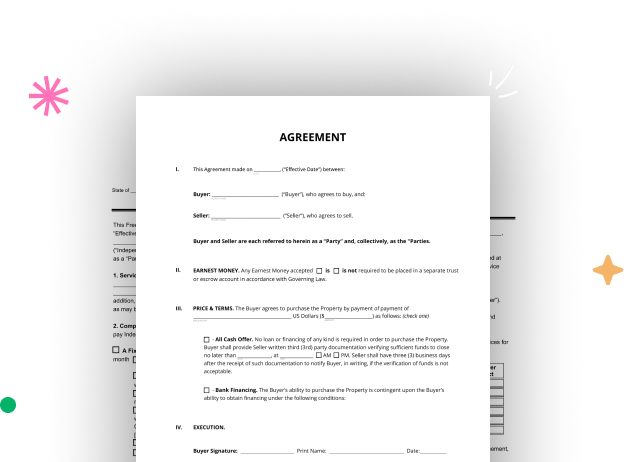
Open the blank document in the editor, set the document view, and add extra pages if applicable.
02. Add and configure fillable fields
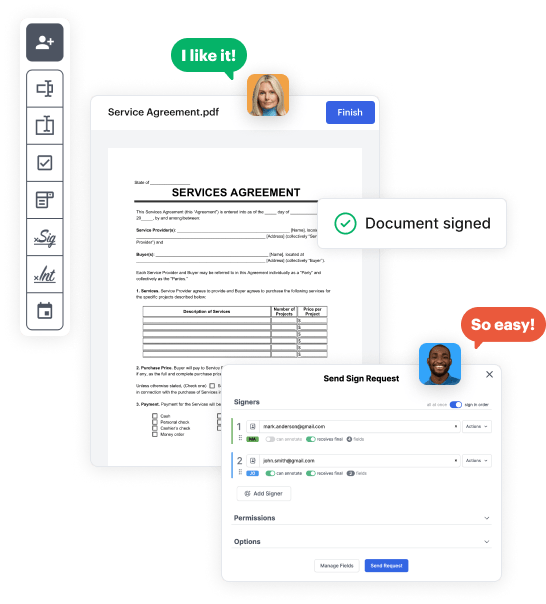
Use the top toolbar to insert fields like text and signature boxes, radio buttons, checkboxes, and more. Assign users to fields.
03. Distribute your form
Share your Legal Documents for Living Trust in seconds via email or a link. You can also download it, export it, or print it out.

Create your Legal Documents for Living Trust in a matter of minutes

Form edit decoration

Step 1: Access DocHub to build your Legal Documents for Living Trust.

Begin by logging into your DocHub account. Explore the pro DocHub functionality at no cost for 30 days.

Step 2: Navigate to the dashboard.

Once logged in, head to the DocHub dashboard. This is where you'll build your forms and manage your document workflow.

Step 3: Create the Legal Documents for Living Trust.

Click on New Document and select Create Blank Document to be taken to the form builder.

Step 4: Set up the form layout.

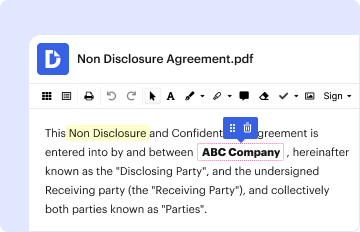
Use the DocHub toolset to insert and arrange form fields like text areas, signature boxes, images, and others to your form.

Step 5: Add text and titles.

Add needed text, such as questions or instructions, using the text field to assist the users in your document.

Step 6: Configure field settings.

Alter the properties of each field, such as making them compulsory or arranging them according to the data you expect to collect. Assign recipients if applicable.

Step 7: Review and save.

After you’ve managed to design the Legal Documents for Living Trust, make a final review of your form. Then, save the form within DocHub, transfer it to your preferred location, or distribute it via a link or email.


be ready to get more

Build your Legal Documents for Living Trust in minutes

Start creating now

Got questions?

We have answers to the most popular questions from our customers. If you can't find an answer to your question, please contact us.
Contact us
Once youve compiled a list of assets, have all the paperwork organized and ready to present to your estate planning attorney. This would include bank statements, titles, deeds, stock certificates, life insurance policies, and other assets that youre going to use to fund your trust.
A living trust attorney is one who specializes in probate law and is knowledgeable when it comes to the legal complexities of creating a living trust.
ing to California Trust law: In order for a trust to exist there must be trust property. There must be a Grantor (sometimes referred to as a Settlor or Trustor). There must be a Trustee. There must be a Beneficiary. The Grantor and Trustee must both be legally competent.
Theres no set hourly rate or cost for a living trust. However, an average California attorney may charge about $2,000 for the job. In exchange, your lawyer will first take some time to hear your situation and explain your options when it comes to living trusts.
The time required to establish a living trust can span from a few days to multiple weeks, and in some cases (depending on your circumstances), a couple of months. This timeline is influenced by factors like the complexity of your estate, the thoroughness of document preparation, and notary schedules.
be ready to get more

Build your Legal Documents for Living Trust in minutes

Start creating now

Related Q&A to Legal Documents for Living Trust

Keep it safe, but accessible Some safe storage suggestions include a locked home safe or filing cabinet or a fireproof safe box in your home or office or in a safe deposit box as long as your successor trustee knows the location of the original documents and can get a hold of them after your death.
The 4 Biggest Mistakes Parents Make When Setting Up a Trust Fund Not choosing the right Trustee. Choosing the wrong Trustee is a common mistake parents make. Not being clear about the goals of the Trust. Not including asset protection provisions. Not reviewing the Trust annually.
The assets you cannot put into a trust include the following: Medical savings accounts (MSAs) Health savings accounts (HSAs) Retirement assets: 403(b)s, 401(k)s, IRAs. Any assets that are held outside of the United States. Cash. Vehicles.

Additional resources on building your forms


