
Create your Lawsuits & Claim from scratch

Start Building Now
Title decoration

Here's how it works

01. Start with a blank Lawsuits & Claim
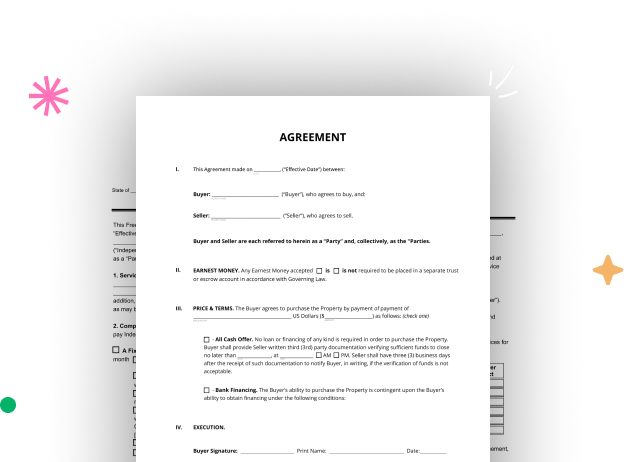
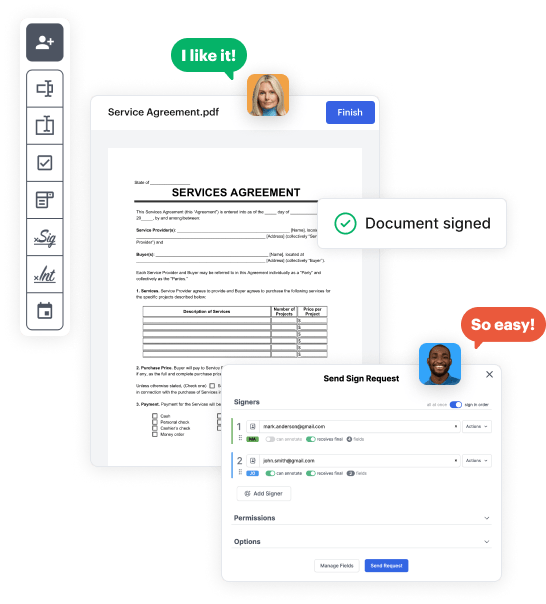
Open the blank document in the editor, set the document view, and add extra pages if applicable.
02. Add and configure fillable fields
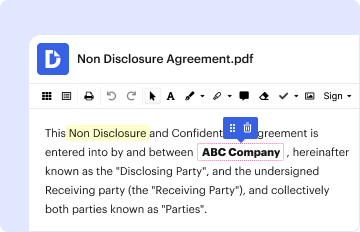
Use the top toolbar to insert fields like text and signature boxes, radio buttons, checkboxes, and more. Assign users to fields.
03. Distribute your form
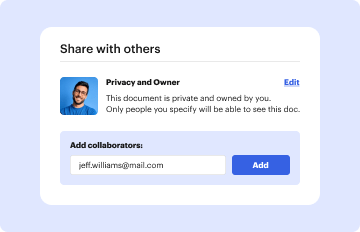
Share your Lawsuits & Claim in seconds via email or a link. You can also download it, export it, or print it out.

Create Lawsuits & Claim from the ground up with these step-by-step guidelines

Form edit decoration

Step 1: Open DocHub and get going.

Start by registering a free DocHub account using any available sign-up method. If you already have one, simply log in.

Step 2: Sign up for a 30-day free trial.

Try out the complete suite of DocHub's pro tools by registering for a free 30-day trial of the Pro plan and proceed to build your Lawsuits & Claim.

Step 3: Start with a new empty doc.

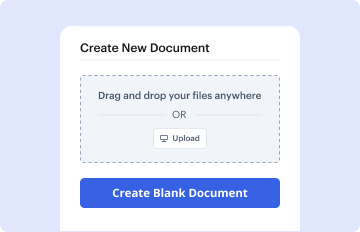
In your dashboard, click the New Document button > scroll down and choose to Create Blank Document. You’ll be taken to the editor.

Step 4: Organize the document’s layout.

Utilize the Page Controls icon indicated by the arrow to switch between two page views and layouts for more flexibility.

Step 5: Start adding fields to create the dynamic Lawsuits & Claim.

Use the top toolbar to place document fields. Insert and arrange text boxes, the signature block (if applicable), insert images, etc.

Step 6: Prepare and configure the added fields.

Organize the fillable areas you added per your preferred layout. Personalize each field's size, font, and alignment to make sure the form is user-friendly and polished.

Step 7: Finalize and share your template.

Save the finalized copy in DocHub or in platforms like Google Drive or Dropbox, or create a new Lawsuits & Claim. Distribute your form via email or get a public link to engage with more people.


be ready to get more

Build your Lawsuits & Claim in minutes

Start creating now

Got questions?

We have answers to the most popular questions from our customers. If you can't find an answer to your question, please contact us.
Contact us
Typically, a class-action lawsuit is started by filing a complaint that names at least one class representative, and that representative files the lawsuit on behalf of the entire proposed class. The defendant(s) will have a right to respond to the lawsuit.
How to Write an Intent to Sue Letter Header. Include your contact information. Statement of Intent to Sue. Include a concise statement of how much money you are owed and the letters intent. Body of the Letter. Include the most important facts of the dispute. Conclusion and Signature. Include a deadline.
Timeline of How to File a Lawsuit Step 1: File a Complaint. Plaintiff files a complaint and summons with the local county court. Step 2: Answer Complaint. Step 3: Discovery. Step 4: Failing to Respond to Discovery. Step 5: Conclusion of Lawsuit.
Is it hard to start a class action lawsuit? There are challenges involved in starting a class action lawsuit. The court must docHub the class. And certain requirements must be met, such as a set minimum number of common claims, the ability to determine who is in the class and an actual legal controversy.
It costs nothing to join a class action lawsuit. The only thing a person needs to consider if theyve been notified of their eligibility to join a class action is if they should file their claim individually.
be ready to get more

Build your Lawsuits & Claim in minutes

Start creating now

Related Q&A to Lawsuits & Claim

Comply With the Relevant Federal, State, and Local Rules. Research Before Writing. Allege Subject Matter Jurisdiction, Personal Jurisdiction, and Venue. Jurisdiction. Draft Concise and Plain Statement of the Facts. Factual Allegations. Draft Separate Counts for Each Legal Claim. Plead Facts With Particularity Where Necessary.
California courts have for the most part followed federal precedent from Rule 23 in understanding state court class certification requirements so the 40 number is applicable in California state court as well.

Additional resources on building your forms


