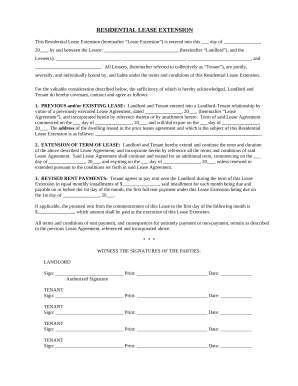
Get and handle Landlord-Tenant Documentation online

Boost your document managing with our Landlord-Tenant Documentation online library with ready-made form templates that suit your requirements. Get your form, alter it, fill it, and share it with your contributors without breaking a sweat. Start working more efficiently with the forms.

The best way to use our Landlord-Tenant Documentation:

  1. Open our Landlord-Tenant Documentation and search for the form you require.
  2. Preview your document to ensure it’s what you want, and click on Get Form to start working on it.
  3. Change, add new text, or point out important information with DocHub tools.
  4. Prepare your form and preserve the adjustments.
  5. Download or share your document with other people.

Explore all of the opportunities for your online file administration using our Landlord-Tenant Documentation. Get a free free DocHub account right now!


Video Guide on Landlord-Tenant Documentation management

video background

Commonly Asked Questions about Landlord-Tenant Documentation

What are the responsibilities of my landlord? Owners must ensure that buildings are safe, clean and well maintained, in both common areas and in individual apartments. Among other responsibilities, owners must provide and maintain security measures, heat, hot and cold water, and good lighting.
New York allows tenants to refuse viewings at any time, including during the leases final month. Landlord entry for the purpose of showing the property requires the tenants explicit consent. Without it, the landlord must obtain a court order to legally conduct viewings.
If you need assistance with a landlord-tenant matter, please call Long Island Housing Services at 631-567-5111 ext. 376 t or email info@LIFairHousing.org. Llame a Long Island Housing Services al 631-567-5111 ext.
In New York 5 Page 9 City, 30 days notice is required, rather than one month. Landlords do not need to explain why the tenancy is being terminated, they only need to provide notice that it is, and that refusal to vacate will lead to eviction proceedings.
New York state anti-harassment laws make it illegal for landlords to engage in any action that is intended to force tenants to leave their homes or otherwise give up their rights under law.
In rent controlled apartments statewide and in rent stabilized apartments outside New York City, a landlord may not evict a senior citizen, a person living with a disability, or any person who has been living in the apartment for 15 years or more for purposes of owner occupancy (NYC Admin.
Your landlord can enter your apartment at any time and without notice in an emergency, and at a reasonable time after providing appropriate notice if the entry is either: To provide necessary or agreed upon repairs or services, or. In ance with the lease, or.
Tenants have the right to privacy in their rented homes and can refuse entry to landlords who do not provide proper notice or have an illegitimate reason for entry. If this right is violated, tenants can take legal action to prevent continued violations and potentially seek damages.