
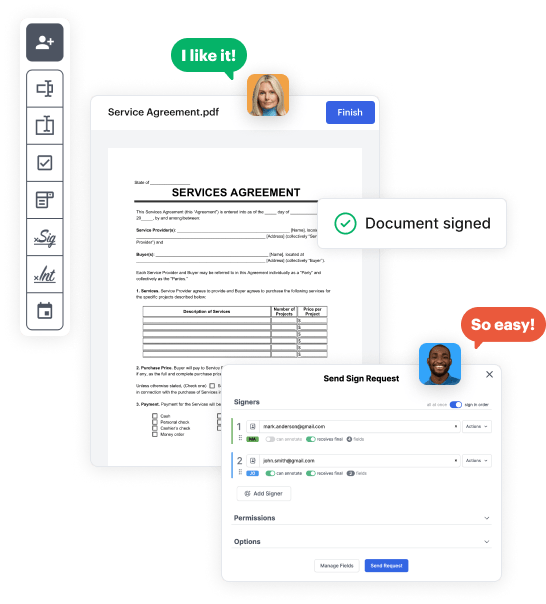
Create your Kansas Landlord Tenant Legal Form from scratch

Start Building Now
Title decoration

Here's how it works

01. Start with a blank Kansas Landlord Tenant Legal Form
Open the blank document in the editor, set the document view, and add extra pages if applicable.
02. Add and configure fillable fields
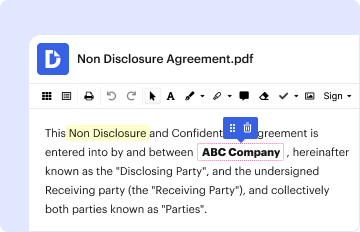
Use the top toolbar to insert fields like text and signature boxes, radio buttons, checkboxes, and more. Assign users to fields.
03. Distribute your form
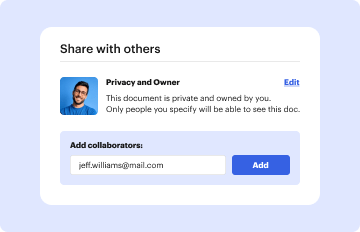
Share your Kansas Landlord Tenant Legal Form in seconds via email or a link. You can also download it, export it, or print it out.

A brief guide on how to build a professional-looking Kansas Landlord Tenant Legal Form

Form edit decoration

Step 1: Log in to DocHub to create your Kansas Landlord Tenant Legal Form.

First, log in to your DocHub account. If you don't have one, you can easily sign up for free.

Step 2: Go to the dashboard.

Once logged in, navigate to your dashboard. This is your primary hub for all document-focused operations.

Step 3: Start new document creation.

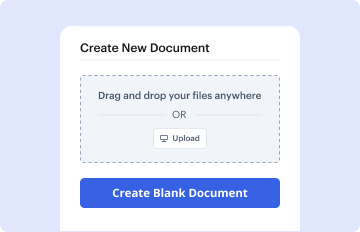
In your dashboard, hit New Document in the upper left corner. Pick Create Blank Document to design the Kansas Landlord Tenant Legal Form from the ground up.

Step 4: Insert form fillable areas.

Place various elements like text boxes, photos, signature fields, and other interactive areas to your form and assign these fields to specific individuals as needed.

Step 5: Adjust your document.

Personalize your template by adding walkthroughs or any other vital information leveraging the text option.

Step 6: Review and correct the document.

Thoroughly check your created Kansas Landlord Tenant Legal Form for any errors or necessary adjustments. Utilize DocHub's editing tools to fine-tune your document.

Step 7: Distribute or export the document.

After finalizing, save your work. You may select to save it within DocHub, export it to various storage solutions, or forward it via a link or email.


be ready to get more

Build your Kansas Landlord Tenant Legal Form in minutes

Start creating now

Got questions?

We have answers to the most popular questions from our customers. If you can't find an answer to your question, please contact us.
Contact us
Generally, Kansas is considered a moderately landlord-friendly state. While it might not be the most landlord-friendly state, like Alabama, its lack of rent control laws, fast and easy eviction procedures, and relatively low property taxes certainly favor landlords. Additionally, Kansas doesnt limit rental fees.
Fill out the tenancy details: Name: Enter a name for the new tenancy. Description: Optionally, enter a description for the new tenancy. Service Namespace: Set a unique namespace for all resources created within this tenancy. Authentication Credentials: Set a user name and password for the primary tenancy administrator.
Landlords must ensure rentals meet habitability standards as dictated by Kansas law. Kansas restricts landlords from charging excessive security deposits, with specific caps based on property type. Adherence to local housing and building codes is mandatory for rental properties.
To evict you, the landlord must provide a notice to you that you have 14 days to correct the problem, otherwise you will have to vacate 30 days after you get the notice. In other words, the lease will terminate 30 days after the notice date, unless you can correct the problem in 14 days.
The Rental Licensing and Inspection program began in 1996 requiring all landlords of residential rental property to maintain a valid rental license in compliance with City Ordinance 66057 (Sec 19-25 through 249 of Code of Ordinances).
be ready to get more

Build your Kansas Landlord Tenant Legal Form in minutes

Start creating now

Related Q&A to Kansas Landlord Tenant Legal Form

Some of the key landlord requirements in Kansas that you need to be aware of include: Obtaining a Kansas landlord license as per local regulations. Compliance with landlord laws in Kansas and relevant local ordinances. Ensuring the property meets all housing and building codes.
(b) The landlord may enter the dwelling unit without consent of the tenant in case of an extreme hazard involving the potential loss of life or severe property damage. (c) The landlord shall not abuse the right of access or use it to harass the tenant. History: L. 1975, ch.
(a) The landlord shall have the right to enter the dwelling unit at reasonable hours, after reasonable notice to the tenant, in order to inspect the premises, make necessary or agreed repairs, decorations, alterations or improvements, supply necessary or agreed services, or exhibit the dwelling unit to prospective or

Additional resources on building your forms


