
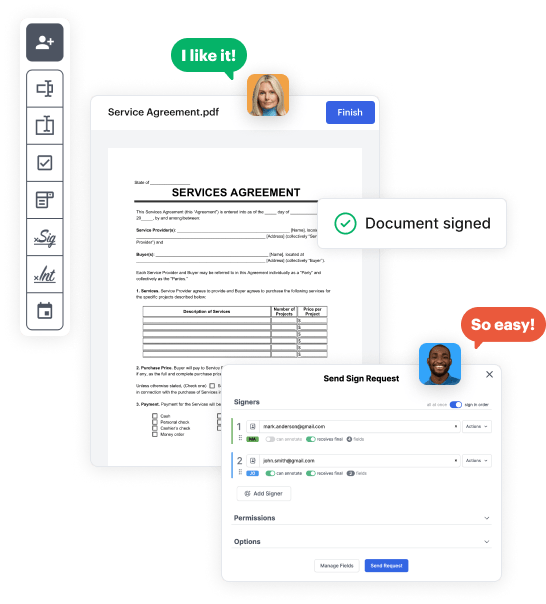
Create your Widow or Widower Legal Document from scratch

Start Building Now
Title decoration

Here's how it works

01. Start with a blank Widow or Widower Legal Document
Open the blank document in the editor, set the document view, and add extra pages if applicable.
02. Add and configure fillable fields
Use the top toolbar to insert fields like text and signature boxes, radio buttons, checkboxes, and more. Assign users to fields.
03. Distribute your form
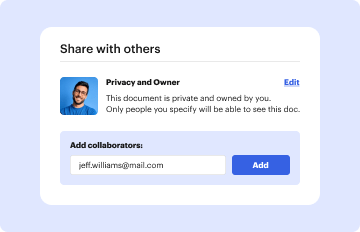
Share your Widow or Widower Legal Document in seconds via email or a link. You can also download it, export it, or print it out.

Design your Widow or Widower Legal Document in a matter of minutes

Form edit decoration

Step 1: Access DocHub to set up your Widow or Widower Legal Document.

Begin by accessing your DocHub account. Try out the advanced DocHub functionality at no cost for 30 days.

Step 2: Navigate to the dashboard.

Once logged in, head to the DocHub dashboard. This is where you'll build your forms and manage your document workflow.

Step 3: Create the Widow or Widower Legal Document.

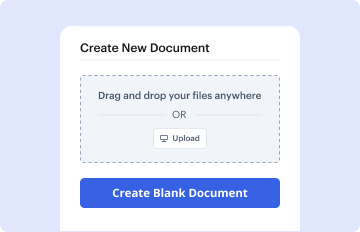
Click on New Document and select Create Blank Document to be redirected to the form builder.

Step 4: Set up the form layout.

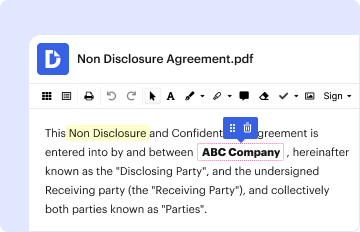
Use the DocHub tools to insert and configure form fields like text areas, signature boxes, images, and others to your form.

Step 5: Add text and titles.

Add needed text, such as questions or instructions, using the text tool to assist the users in your form.

Step 6: Configure field settings.

Alter the properties of each field, such as making them compulsory or formatting them according to the data you plan to collect. Designate recipients if applicable.

Step 7: Review and save.

After you’ve managed to design the Widow or Widower Legal Document, make a final review of your form. Then, save the form within DocHub, send it to your preferred location, or share it via a link or email.


be ready to get more

Build your Widow or Widower Legal Document in minutes

Start creating now

Got questions?

We have answers to the most popular questions from our customers. If you can't find an answer to your question, please contact us.
Contact us
1 Answer. One good option is surviving spouse: A spouse who lives longer than the other spouse.
A dowager is a widow or widower who holds a title or property a dower derived from her or his deceased spouse. As an adjective, dowager usually appears in association with monarchical and aristocratic titles.
Technically, its only if you were married. However, due to the way relationships are evolving and marriage becomes less and less prevalent in a lot of societies, I think in some cases of long-term partnerships you can consider yourself a widow or widower after your partner dies.
A widowed woman is also referred to as Mrs., out of respect for her deceased husband. Some divorced women still prefer to go by Mrs., though this varies based on age and personal preference.
If she retains her former husbands last name (and many women do so that their surname will be the same as their childrens) then Mrs. [or Ms.] Susan Reynolds is correct. If she reverts to her maiden name, Ms. is the correct title, as in Ms.
be ready to get more

Build your Widow or Widower Legal Document in minutes

Start creating now

Related Q&A to Widow or Widower Legal Document

Write Mrs. followed by her spouses full name. This is the most traditional approach and an appropriate default if youre unable to ask the widow personally what she prefers.
Provided you remain unmarried for two years following the death, you can use the qualified widow(er) tax filing status for up to three yearsfor the year your spouse died, depending on when it was, and for two years following their death.
Although there are no legal, grammatical, or lexicographical rules governing what courtesy title is correct for a widow, in general, when a womans husband dies, she retains the title of Mrs. So-and-so.

Additional resources on building your forms


