Improve your document administration with Indiana Rental Laws

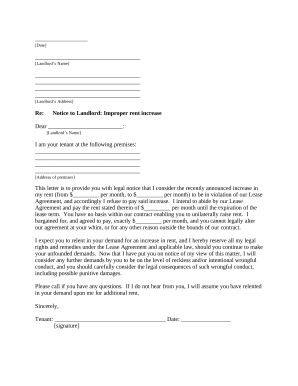
Your workflows always benefit when you can easily find all of the forms and documents you need at your fingertips. DocHub provides a vast array of document templates to relieve your day-to-day pains. Get a hold of Indiana Rental Laws category and quickly find your form.

Start working with Indiana Rental Laws in a few clicks:

  1. Access Indiana Rental Laws and discover the form you need.
  2. Click Get Form to open it in the editor.
  3. Begin adjusting your document: add fillable fields, highlight paragraphs, or blackout sensitive information and facts.
  4. The application saves your changes automatically, and once you are all set, you can download or share your form with other contributors.

Enjoy smooth document managing with DocHub. Discover our Indiana Rental Laws online library and find your form right now!


Video Guide on Indiana Rental Laws management

video background

Commonly Asked Questions about Indiana Rental Laws

Failing to Provide a Habitable Living Environment Among illegal landlord activities in Indiana is the failure to furnish a rental property that safeguards tenants health and safety. A common bond in every Indiana lease agreement is the implied warranty of habitability.
There is no legal limit to how much your landlord can raise your rent in Indiana. Without rent control laws, a landlord can legally raise rent by any amount they choose (so long as they provide proper notice).
Now that you know which factors make a state landlord friendly, here are the top five best landlord friendly states for your 2024 investments. Alabama. Alabama makes our list due to its low tax rates and lax rental laws and fee regulations. Texas. Colorado. Arizona. Ohio.
Raising Rent Landlords in Indiana may increase the rent to any amount with a 30-day notice. Notice of Entry Outside of emergencies, Indiana landlords must give reasonable notice before entering the unit, which is deemed to be 24 hours notice.
Indiana is a great place to own real estate, because it is very landlord friendly. The state has very low property taxes and does not require any license to be a landlord. Tenants who owe rent must be given a 10-day notice to pay up. If they fail to do so within that time, the landlord may begin the eviction process.
Yes, Indiana is a landlord-friendly state. It ranks 13th on a list of the most landlord-friendly states in the U.S. This is because there are no rent control laws or limits on security deposits. Additionally, the state has a zero-tolerance policy for non-paying tenants.
Landlords must give a 30-day notice before asking a tenant to vacate the property. If the landlord is asking them to move out because of a lease violation, they only need to give the tenant a 10-day notice.