
Manage Construction Legal Form effortlessly online

Document management can overpower you when you can’t discover all the forms you require. Luckily, with DocHub's vast form library, you can find all you need and swiftly handle it without changing between apps. Get our Construction Legal Form and start working with them.

The best way to manage our Construction Legal Form using these basic steps:

  1. Check Construction Legal Form and select the form you require.
  2. Review the template and then click Get Form.
  3. Wait for it to upload in the online editor.
  4. Modify your document: include new information and images, and fillable fields or blackout some parts if needed.
  5. Fill out your document, save adjustments, and prepare it for delivering.
  6. When ready, download your form or share it with your contributors.

Try out DocHub and browse our Construction Legal Form category without trouble. Get a free profile today!


Video Guide on Construction Legal Form management

video background

Commonly Asked Questions about Construction Legal Form

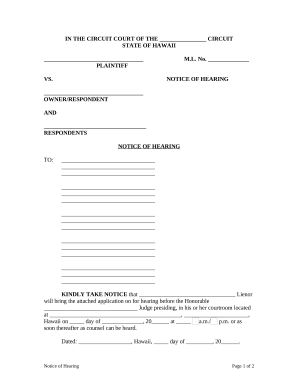
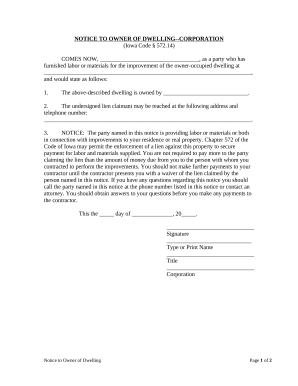
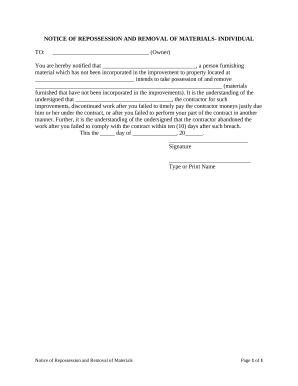
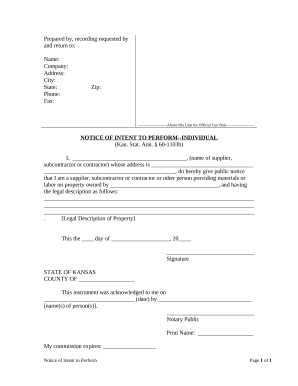
The construction industry uses forms to collect and share information at every stage of a project. Traditionally on paper, these forms are now being converted into digital forms that enable workers to share information via mobile devices and tablets on the job.
Legal forms address substantive matters, such as forms for contracts, wills, and leases. Pleading and practice forms provide language used in pleadings and motions filed with a court in litigation. These supply language for complaints, answers, motions to dismiss, and other motions.
Some common kinds of construction documents include: Bidding documents. Architectural drawings. Schedules.
These five essential elements of a construction contract can result in major vulnerabilities if overlooked: Full Name, Address, and Signatures of Both Parties. Scope of Work. Project Cost and Payment Terms. Schedule of Work. Authority.
3 Types of Construction Contracts: Their Pros and Cons for Owners and Contractors Fixed Price. The most common type of contract is the fixed price contract, also known as the lump sum or stipulated sum contract. Cost-Plus Fee. Unit Price.
These are some of the most common and important construction documents for building projects of all kinds. 1: Construction Agreement. 2: General Conditions. 3: Special Conditions. 4: Scope of Work (SOW) 5: Drawings. 7: Bill of Quantities. 9: Schedule of Values. 10: Cost Estimate.
The American Institute of Architects () creates over 200 contract templates used throughout the construction and architectural industries. These contracts are popular because they reflect the industry consensus on terms and procedures.
Construction Contract Documents are the written documents that define the roles, responsibilities, and Work under the construction Contract, and are legally-binding on the parties (Owner and Contractor).
