

Create your Guardianship from scratch

Start Building Now
Title decoration

Here's how it works

01. Start with a blank Guardianship
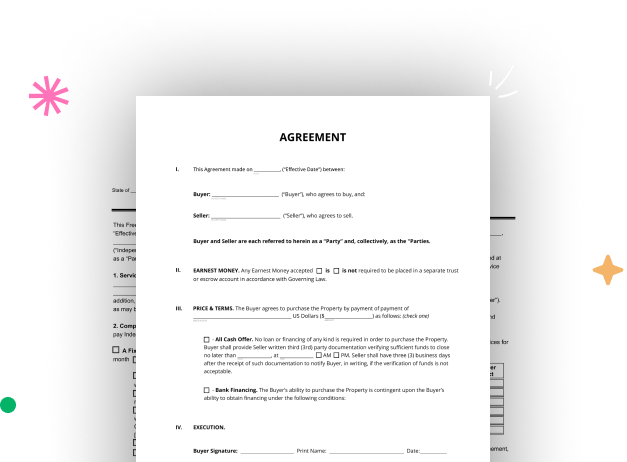
Open the blank document in the editor, set the document view, and add extra pages if applicable.
02. Add and configure fillable fields
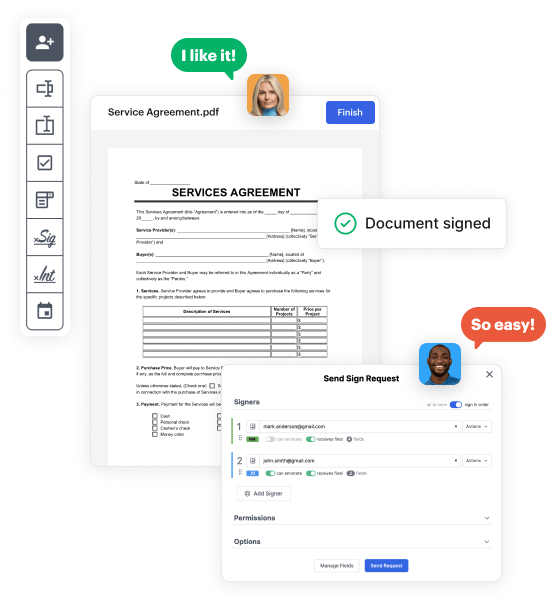
Use the top toolbar to insert fields like text and signature boxes, radio buttons, checkboxes, and more. Assign users to fields.
03. Distribute your form
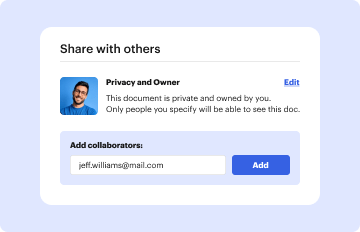
Share your Guardianship in seconds via email or a link. You can also download it, export it, or print it out.

Design your Guardianship in a matter of minutes

Form edit decoration

Step 1: Access DocHub to build your Guardianship.

Begin by logging into your DocHub account. Try out the pro DocHub functionality at no cost for 30 days.

Step 2: Go to the dashboard.

Once logged in, head to the DocHub dashboard. This is where you'll build your forms and manage your document workflow.

Step 3: Design the Guardianship.

Click on New Document and select Create Blank Document to be taken to the form builder.

Step 4: Set up the form layout.

Use the DocHub toolset to add and configure form fields like text areas, signature boxes, images, and others to your document.

Step 5: Add text and titles.

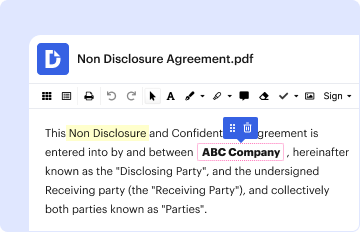
Add necessary text, such as questions or instructions, using the text tool to lead the users in your document.

Step 6: Configure field properties.

Adjust the properties of each field, such as making them mandatory or arranging them according to the data you plan to collect. Assign recipients if applicable.

Step 7: Review and save.

After you’ve managed to design the Guardianship, make a final review of your document. Then, save the form within DocHub, transfer it to your preferred location, or distribute it via a link or email.


be ready to get more

Build your Guardianship in minutes

Start creating now

Got questions?

We have answers to the most popular questions from our customers. If you can't find an answer to your question, please contact us.
Contact us
Guardianship versus parental rights Parental rights usually include the option to spend time with the child, as well as the authority to make major decisions and sign contracts for the child. Having a guardian does not generally change this. After a guardian is appointed, the parent may continue to have custody.
Types of guardianship relationships usually approved by the court: Full guardianship. This form of guardianship relationship grants an appointed legal guardian full decision making power over the ward. Limited guardianship. Co-guardianships. Short term guardianship. Guardianship ad litem.
There are different types of guardianships in Indiana including limited guardianship, guardian ad litem, veterans administration guardianship, temporary guardianship, and de facto guardianship.
Guardianship requires going to court and only a judge can appoint a guardian. A person may need a guardian if they are unable to make decisions, manage their affairs, and are at risk of harm because of serious illness, disability, dementia, or other conditions that impacts their ability to think and act clearly.
Guardianship Fees ServiceFee Guardianship of property - Only $401.00 Guardianship of person only $236.00 Guardian of the Person and Property $401.00 Guardian Advocacy $401.0011 more rows
be ready to get more

Build your Guardianship in minutes

Start creating now

Related Q&A to Guardianship

A Guardianship case can months to complete. Initially, a petition is filed with the Court along with a proposed Order to Show Cause. After review, the Court will sign the Order to Show Cause which sets the Court date which is usually 3-4 weeks later.
Custody orders are often considered to be more permanent solutions to childcare issues, while guardianship may last a lifetime, but also has the opportunity to be temporary. Whether youre seeking to obtain custody or guardianship of a child, its essential to ensure that you have the right assistance.
There are three types of guardianship: Guardianship of the person and estate. The guardian takes care of the well-being and finances of the person under guardianship. Guardianship of the person only. The guardian only takes care of the well-being of the person under guardianship. Guardianship of the estate only.

Additional resources on building your forms


