Handle Financial Management Forms effortlessly online

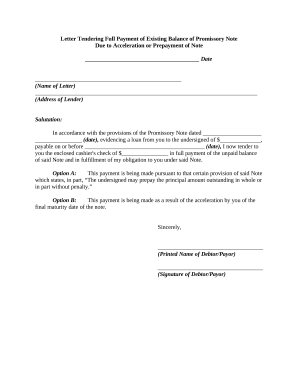
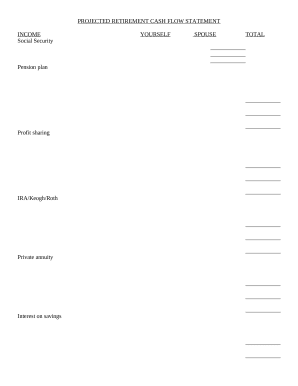
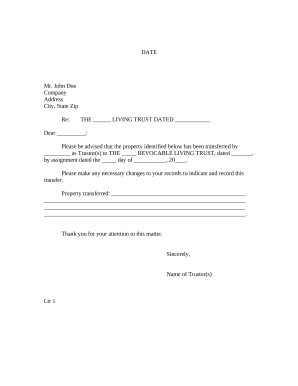
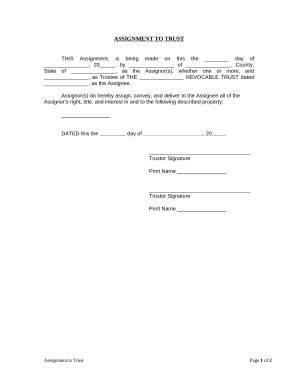
Document administration can overpower you when you can’t discover all the documents you need. Fortunately, with DocHub's vast form collection, you can get all you need and promptly deal with it without the need of changing between software. Get our Financial Management Forms and begin working with them.

The best way to manage our Financial Management Forms using these easy steps:

  1. Examine Financial Management Forms and select the form you need.
  2. Preview the template and click Get Form.
  3. Wait for it to upload in our online editor.
  4. Change your document: add new information and images, and fillable fields or blackout some parts if necessary.
  5. Prepare your document, preserve changes, and prepare it for sending.
  6. When all set, download your form or share it with your contributors.

Try out DocHub and browse our Financial Management Forms category without trouble. Get your free account today!


Video Guide on Financial Management Forms management

video background

Commonly Asked Questions about Financial Management Forms

Forms management is the practice of creating, distributing, completing, evaluating, and automating forms for the purpose of collecting information and making decisions. In the past, forms were physical items, but many businesses have made the transition from paper to electronic documents.
Financial management is all about monitoring, controlling, protecting, and reporting on a companys financial resources. Companies have accountants or finance teams responsible for managing their finances, including all bank transactions, loans, debts, investments, and other sources of funding.
How to write a financial plan Set financial goals. Assess your balance sheet. Understand your break-even point. Create a sales forecast. Forecast expenses and personnel costs. Create cash flow projections. Budget and plan for emergencies. Implement your financial plan.
Most financial management plans will break them down into four elements commonly recognised in financial management. These four elements are planning, controlling, organising directing, and decision making.
Types of Financial Management This focuses primarily on day-to-day operations, such as making sure theres enough money to pay employees or buy raw materials. Working capital encompasses things such as cash on hand, inventory on hand, or other assets that can be quickly sold to raise money if critical issues arise.
The primary responsibilities of a Functional Manager include setting goals and objectives, developing strategies and plans, allocating resources, managing budgets, and monitoring performance within their functional area.