
Create your Finance & Accounting from scratch

Start Building Now
Title decoration

Here's how it works

01. Start with a blank Finance & Accounting
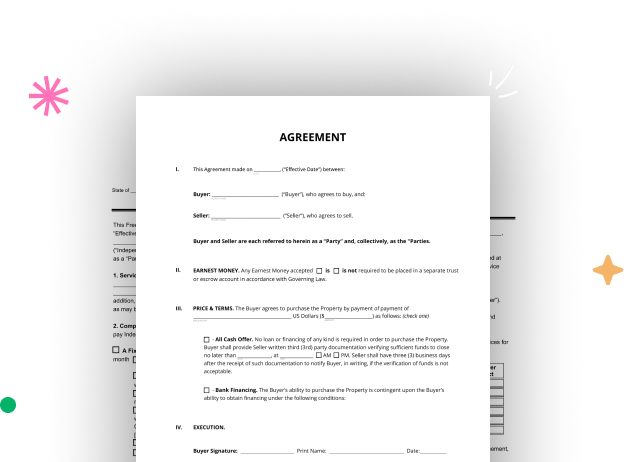
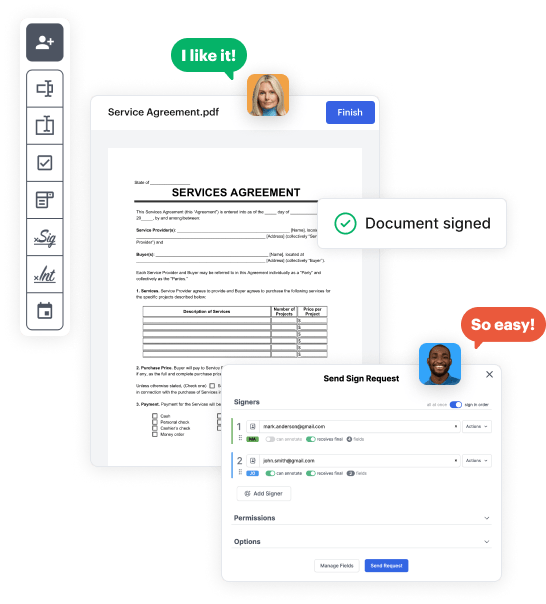
Open the blank document in the editor, set the document view, and add extra pages if applicable.
02. Add and configure fillable fields
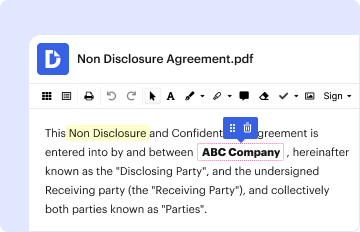
Use the top toolbar to insert fields like text and signature boxes, radio buttons, checkboxes, and more. Assign users to fields.
03. Distribute your form
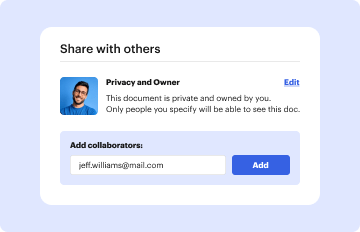
Share your Finance & Accounting in seconds via email or a link. You can also download it, export it, or print it out.

Create your Finance & Accounting in a matter of minutes

Form edit decoration

Step 1: Access DocHub to build your Finance & Accounting.

Begin by accessing your DocHub account. Explore the advanced DocHub functionality free for 30 days.

Step 2: Go to the dashboard.

Once signed in, head to the DocHub dashboard. This is where you'll create your forms and manage your document workflow.

Step 3: Create the Finance & Accounting.

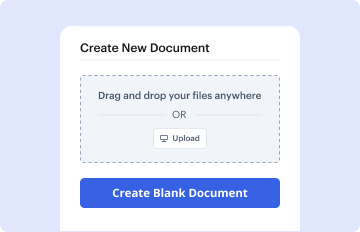
Click on New Document and select Create Blank Document to be taken to the form builder.

Step 4: Design the form layout.

Use the DocHub features to insert and configure form fields like text areas, signature boxes, images, and others to your document.

Step 5: Add text and titles.

Include necessary text, such as questions or instructions, using the text field to assist the users in your document.

Step 6: Customize field properties.

Modify the properties of each field, such as making them compulsory or arranging them according to the data you expect to collect. Assign recipients if applicable.

Step 7: Review and save.

After you’ve managed to design the Finance & Accounting, make a final review of your document. Then, save the form within DocHub, send it to your preferred location, or share it via a link or email.


be ready to get more

Build your Finance & Accounting in minutes

Start creating now

Got questions?

We have answers to the most popular questions from our customers. If you can't find an answer to your question, please contact us.
Contact us
Data Analytics and Forecasting The demand for data specialists in the accounting industry will skyrocket soon. Data analytics help identify operational inefficiencies and manage risks better. More businesses will invest in data analysis to help with data-backed decisions.
The emerging trend in accounting is to outsource certain aspects of accounting tasks. Its not uncommon for firms to be really pleased with the value of outsourced accounting services.
Setting up accounting systems involves opening a business bank account, choosing an accounting method, setting up a chart of accounts, and determining the fiscal year. Basic bookkeeping includes tracking expenses, recording transactions accurately, documenting receipts, and reconciling bank statements.
The accounting landscape in 2024 is marked by trends around efficiency, automation, and business growth. Its clear these forces are transforming the profession and helping firms combat the professions major challenges that seem to be here to stay.
The accounting profession is at a pivotal moment of transformation. Over the next decade, automation, AI, cloud technology, blockchain integration, data analytics, ethical considerations, regulatory changes, cybersecurity, and globalization will redefine the role of accountants.
be ready to get more

Build your Finance & Accounting in minutes

Start creating now

Related Q&A to Finance & Accounting

7 Steps To Be Your Own Accountant Learn the Basics of Accounting. Open a Business Bank Account. Establish a Bookkeeping System. Categorize Your Expenses. Establish a Budget. Use Accounting Software for Invoicing and Payroll. Paying Your Taxes.
Blockchain and Distributed Ledger Technology Blockchain technology is reshaping how financial transactions are recorded and verified. Its tamper-proof nature and decentralization make it a promising, secure, and transparent accounting tool. In 2023, well see further adoption of blockchain in accounting processes.
Setting up an accounting system in 7 steps Open up a bank account for your business. Select an accounting method. Choose accounting software that fits your needs. Set up a chart of accounts. Decide how to organize new transactions and old records. Choose a start date to switch to your new software. Plug in the numbers.

Additional resources on building your forms


