
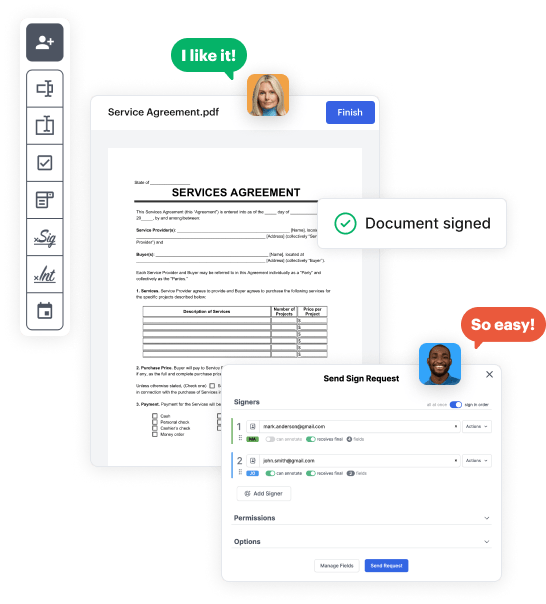
Create your Mortgage Transfer Document from scratch

Start Building Now
Title decoration

Here's how it works

01. Start with a blank Mortgage Transfer Document
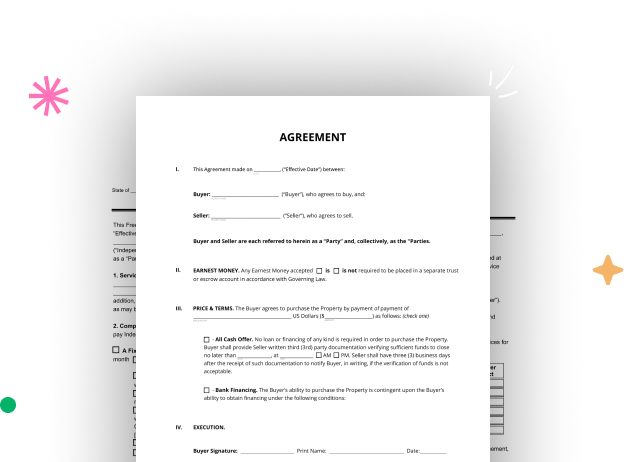
Open the blank document in the editor, set the document view, and add extra pages if applicable.
02. Add and configure fillable fields
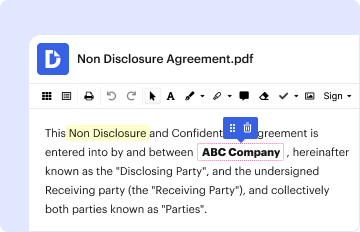
Use the top toolbar to insert fields like text and signature boxes, radio buttons, checkboxes, and more. Assign users to fields.
03. Distribute your form
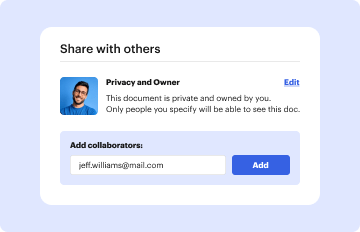
Share your Mortgage Transfer Document in seconds via email or a link. You can also download it, export it, or print it out.

A simple tutorial on how to build a polished Mortgage Transfer Document

Form edit decoration

Step 1: Sign in to DocHub to begin creating your Mortgage Transfer Document.

First, sign in to your DocHub account. If you don't have one, you can easily register for free.

Step 2: Go to the dashboard.

Once signed in, head to your dashboard. This is your central hub for all document-centric processes.

Step 3: Initiate new document creation.

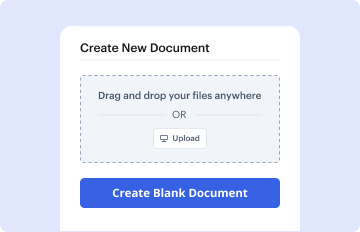
In your dashboard, select New Document in the upper left corner. Hit Create Blank Document to craft the Mortgage Transfer Document from a blank slate.

Step 4: Incorporate template fillable areas.

Place various items like text boxes, photos, signature fields, and other fields to your template and designate these fields to specific users as required.

Step 5: Personalize your document.

Refine your form by inserting directions or any other vital tips using the text tool.

Step 6: Go over and modify the form.

Carefully go over your created Mortgage Transfer Document for any mistakes or essential adjustments. Utilize DocHub's editing tools to perfect your document.

Step 7: Share or download the document.

After finalizing, save your work. You can choose to keep it within DocHub, export it to various storage options, or send it via a link or email.


be ready to get more

Build your Mortgage Transfer Document in minutes

Start creating now

Got questions?

We have answers to the most popular questions from our customers. If you can't find an answer to your question, please contact us.
Contact us
An assumable mortgage will let a borrower transfer the mortgage to someone else even if they havent fully paid it off. As long as your situation fits one of the exceptions mentioned in the due-on-sale clause, another person can take over and assume responsibility for the loan.
In order to port a mortgage, the borrower will have to sell the old home at the same time he or she is purchasing a new one. The terms of the loan will stay the same, so the amount of the mortgage must be enough to pay for the new home.
Yes. Federal banking laws and regulations permit banks to sell mortgages or transfer the servicing rights to other institutions. Consumer consent is not required. However, the bank or new servicer generally must comply with certain procedures notifying you of the transfer.
An assumable mortgage allows a homebuyer to assume the current principal balance, interest rate, repayment period, and any other contractual terms of the sellers mortgage. Rather than going through the rigorous process of obtaining a home loan from a bank, a buyer can take over an existing mortgage.
Assumable Mortgage Transfer Approval The lender of the original mortgage must approve the mortgage assumption before the deal can be signed off on by either party. The homebuyer must apply for the assumable loan and meet the lenders requirements, such as having sufficient assets and being creditworthy.
be ready to get more

Build your Mortgage Transfer Document in minutes

Start creating now

Related Q&A to Mortgage Transfer Document

Yes, you may be able to transfer a mortgage to another property if your lender allows it. Youd need to apply to port the mortgage, and your lender would appraise the new home and check your ability to make payments on the loan.
Submit your application The process of assuming a mortgage could look different from lender to lender, but in general, youll need to fill out an application, provide proof of income and assets and submit to a credit check.
Is assuming a mortgage cost-effective? You may be able to assume a mortgage with a much lower interest rate than is currently available. However, whether an assumed mortgage is cost-effective will depend, in part, on the amount of the sellers equity.

Additional resources on building your forms


