

Improve your document managing with Family Name Change

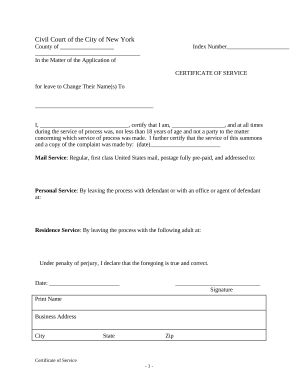
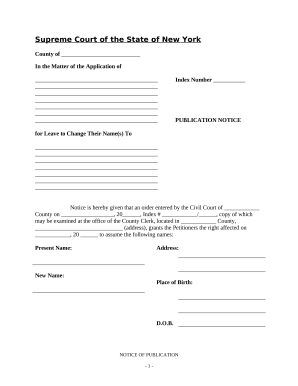
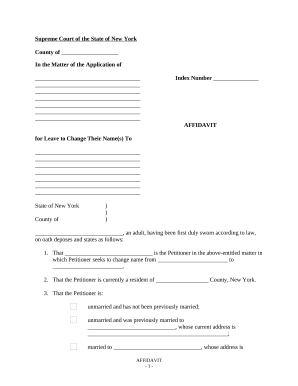
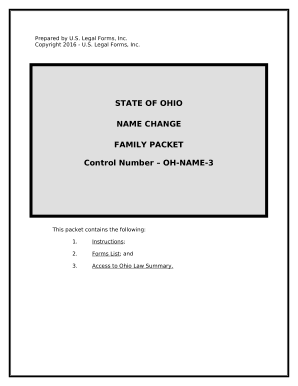
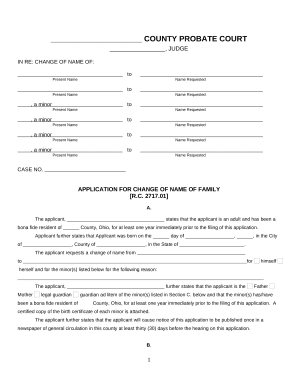
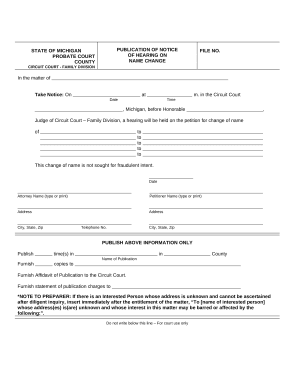
Your workflows always benefit when you can easily discover all of the forms and documents you may need at your fingertips. DocHub offers a a large collection form templates to alleviate your day-to-day pains. Get hold of Family Name Change category and quickly find your form.

Begin working with Family Name Change in several clicks:

  1. Browse Family Name Change and discover the document you require.
  2. Click Get Form to open it in the editor.
  3. Start editing your form: add fillable fields, highlight paragraphs, or blackout sensitive facts.
  4. The app saves your changes automatically, and once you are ready, you are able to download or distribute your file with other contributors.

Enjoy seamless document management with DocHub. Discover our Family Name Change collection and find your form today!


Video Guide on Family Name Change management

video background

Commonly Asked Questions about Family Name Change

If you want to take on your spouses last name or combine it with your own in a hyphenated form, you do not need a court order. However, if you want to choose a completely new last name that is not your spouses, you must follow a formal legal name change process.
For court-ordered name changes, the process involves gathering documentation, filing a petition, setting a court date, appearing in court, and receiving official documentsall of which can take weeks or months to complete. In these situations, a name change lawyer can help expedite and streamline the process.
In most cases, you must file a petition with your local court to change your name. To do so, you may need to file paperwork and appear before a judge to complete the process. Find your local government website and contact your circuit court to get information about how you can legally change your name.
No person can change his name or surname without juridical authority involving substantial changes (Article 376, Civil Code). A petition to change your name to a new name is a remedy that may be availed of by a person who seeks, with proper and reasonable cause, to replace his existing name to that which he desires.
If you wish to be known by a different name you can change your name(s) (forenames, middle names, and surnames) at any time, provided you do not intend to deceive or defraud anyone. Once you have decided to change your name, you can use the new name for all purposes.
Additionally, some persons may change their names upon divorce or separation, to reflect their gender identity if it differs from the gender assigned at birth, to formally adopt a stage or professional name, or simply to avoid an unpleasant or unfavourable name.