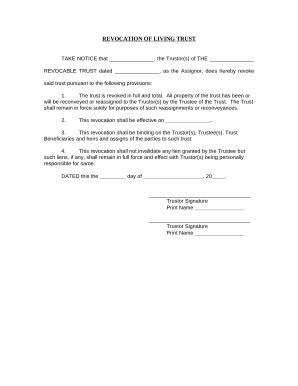
Transform your template management with Estate Planning in Iowa

Your workflows always benefit when you are able to obtain all the forms and documents you require at your fingertips. DocHub provides a a huge collection of forms to ease your everyday pains. Get hold of Estate Planning in Iowa category and easily discover your document.

Begin working with Estate Planning in Iowa in a few clicks:

  1. Gain access to Estate Planning in Iowa and discover the document you need.
  2. Click on Get Form to open it in our online editor.
  3. Begin adjusting your file: add fillable fields, highlight paragraphs, or blackout sensitive data.
  4. The application saves your modifications automatically, and after you are all set, you can download or distribute your file with other contributors.

Enjoy fast and easy file managing with DocHub. Explore our Estate Planning in Iowa collection and get your form right now!


Video Guide on Estate Planning in Iowa management

video background

Commonly Asked Questions about Estate Planning in Iowa

To be classified as a small estate, the gross value of the probate assets of a decedent must be $200,000 or less. The administration of a small estate has less requirements, lower court costs, and often is a quicker process than a regular probate administration.
Probate in Iowa involves administering estates, settling debts, and distributing assets post-death, under court supervision. Small estates under $50,000 and specific assets may avoid probate; a will directs asset distribution and minimizes taxes.
How much does probate cost? A. Court costs are determined based on the size of the estate and how many court orders are needed during the case, among other things. Generally speaking, you can figure that court costs will be $30 for the first $25,000 of value plus $25 for every $25,000 after that.
If you die with an ownership interest in any property, your estate generally must be probated whether you have a will or not. The court will determine whether your will is valid or determine who is to receive the property if there is no will.
Probate laws are designed to protect the rights of heirs and creditors and to assure the orderly collection, preservation, and transfer of property. If you die with an ownership interest in any property, your estate generally must be probated whether you have a will or not.
Avoiding Probate in Iowa If you own no real property, for example you only rent your home then this will avoid probate. If your property is held in a joint tenancy or a trust you may avoid probate. Your life insurance and retirement accounts will avoid probate.
If you die intestate in Iowa, which is not a community property state, and have a surviving spouse, your spouses inheritance depends on whether or not you have living descendants from another relationship. If you have no descendants, your spouse will inherit everything.