Supercharge your productivity with Dispute Resolution Letters

Document management takes up to half of your office hours. With DocHub, you can easily reclaim your time and effort and increase your team's productivity. Get Dispute Resolution Letters category and discover all templates relevant to your daily workflows.

Easily use Dispute Resolution Letters:

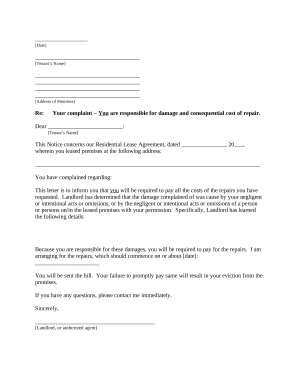
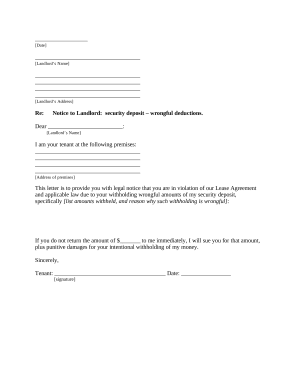
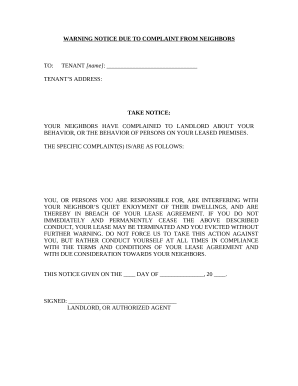
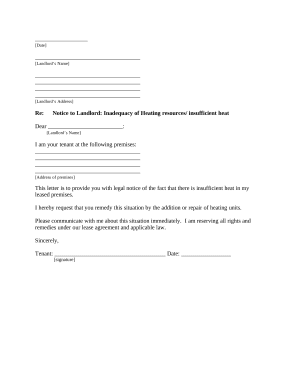
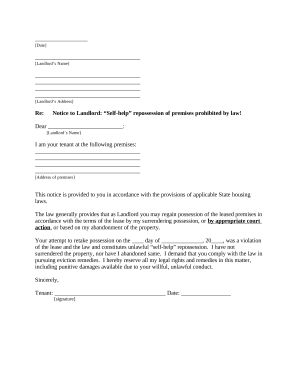
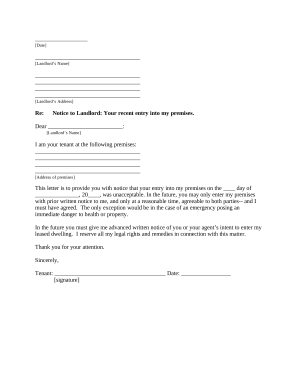
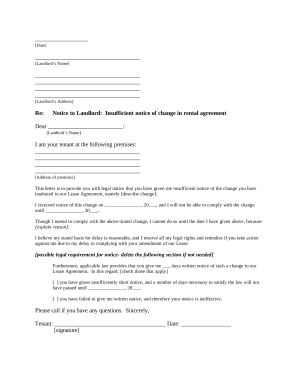
  1. Open Dispute Resolution Letters and utilize Preview to find the suitable form.
  2. Click Get Form to start working on it.
  3. Wait for your form to upload in the online editor and start modifying it.
  4. Add new fillable fields, symbols, and pictures, modify pages order, etc.
  5. Fill your file or set it for other contributors.
  6. Download or deliver the form by link, email attachment, or invite.

Boost your daily file management with the Dispute Resolution Letters. Get your free DocHub profile right now to explore all templates.


Video Guide on Dispute Resolution Letters management

video background

Commonly Asked Questions about Dispute Resolution Letters

Disputing a charge on your credit does not directly impact your credit score. However, if your credit report changes due to the dispute, your score may change ingly. For example, resolving an inaccurate credit utilization error might increase your score.
Disputing a credit card charge does not harm your credit score, but the credit card issuer can add a note to your credit report showing that the account is currently under dispute. Filing a dispute actually does not have any effect on your credit score but the outcome of the dispute might.
Selected by the community from 1 contribution. 1 Identify the problem. Before you start writing, you need to identify the problem that caused the conflict. 2 Choose the tone. 3 State the facts. 4 Express your feelings. 5 Propose a solution. 6 End with a positive note. 7 Heres what else to consider.
A credit dispute letter may work to eliminate or correct negative marks on your credit. However, that may not be the only step you need to take to improve your credit.
Yes, 609 dispute letters can work. They request the credit bureau to verify the accuracy of items on your credit report. If the bureau cannot provide adequate evidence, the disputed items must be removed. Success varies based on the nature of the dispute and provided documentation.
It should have four parts: (1) an introduction, (2) a description of your attempts at informally resolving the problem, (3) a clear argument for your case, and (4) a description of the remedies you are seeking.
While the credit bureaus offer online and telephone access to the dispute process, most often mail is a better means of disputing.
Your letter should identify each item you dispute, state the facts, explain why you dispute the information, and ask that the business that supplied the information take action to have it removed or corrected. You may want to enclose a copy of your report with the item(s) in question circled.